日本MMX探测器今日升空 目标带回火星卫星Phobos的首份土壤样本
日本宇宙航空研究开发机构(JAXA)的火星卫星探测任务 MMX(Martian Moons eXploration)定于今日从种子岛宇宙中心升空:发射时间为美东时间10月19日下午3时41分(日本时间10月20日凌晨4时41分),由三菱重工的 H3-24L 火箭从吉信发射场执行,JAXA 将从美东时间下午2时45分起直播。探测器重4480公斤,是日本迄今最重的深空探测器。
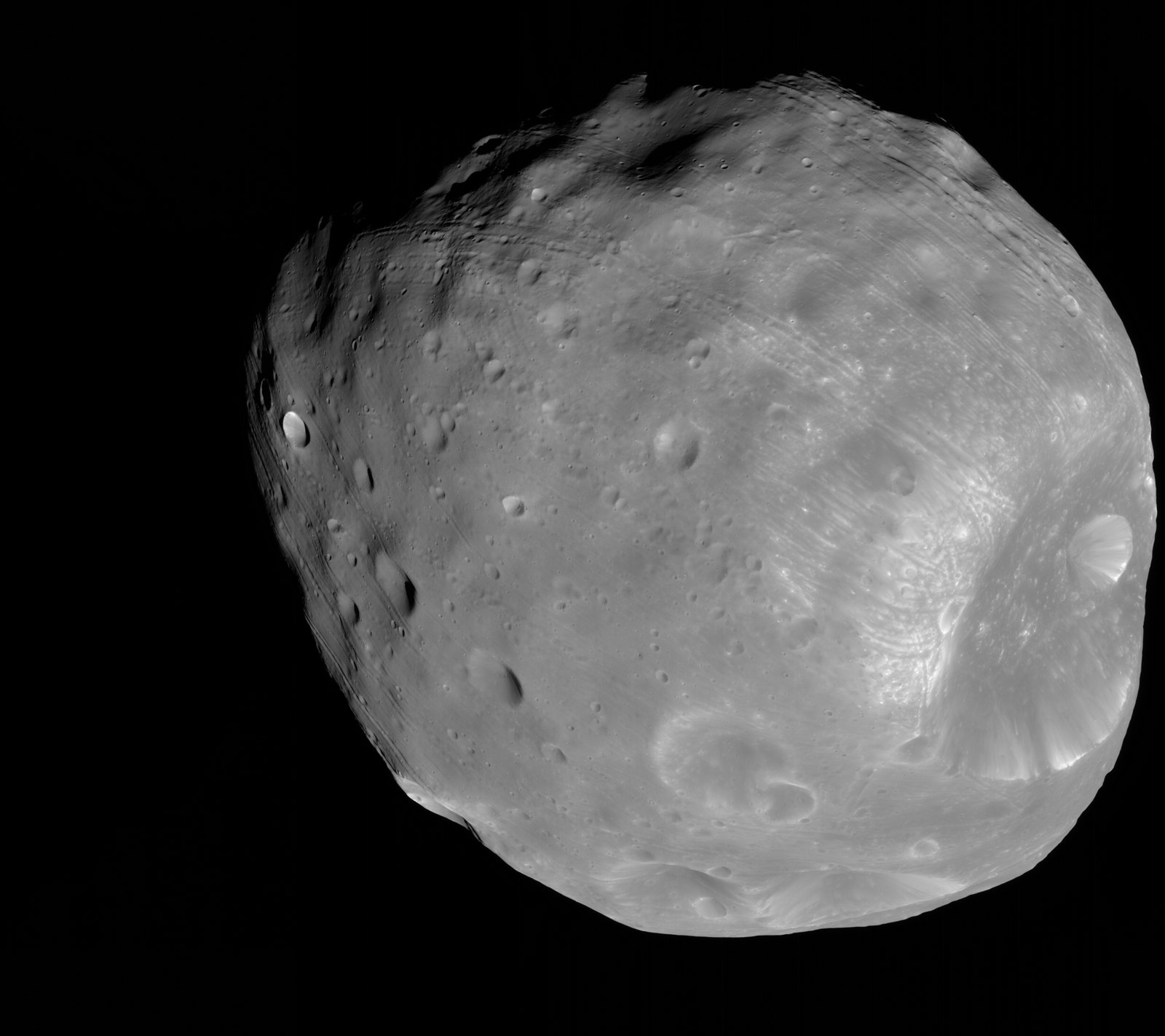
MMX 的目标不是火星本体,而是其较大的卫星 Phobos。这颗直径约22公里的卫星引力只有地球的约两千分之一,起源之谜困扰学界数十年:它可能是被火星引力捕获的小行星,也可能是巨型撞击抛射物重新聚合而成。探测器计划2027年8月抵达火星系统,环绕 Phobos 测绘并观测另一颗卫星 Deimos,其后在一到两次短暂着陆中停留约2.5小时,用筒取与气动两套采样装置收集至少10克土壤。
任务还将投放法德联合研制的 IDEFIX 漫游车,这将是首辆在如此微小天体上行驶的车辆。样本舱计划2031年返回地球、降落在澳大利亚。
合作方包括美国国家航空航天局 NASA(提供由约翰斯·霍普金斯应用物理实验室研制的 MEGANE 光谱仪与 Honeybee Robotics 研制的气动采样器)、法国国家空间研究中心、德国航空航天中心与欧洲航天局。因火星发射窗口约26个月才出现一次,本次任务的备用窗口延续至11月7日。2011年俄罗斯 Phobos-Grunt 任务曾在升空后失败,MMX 若成功,将是人类首次从火星卫星带回实物样本。
Japan's MMX Launches Today to Bring Back the First Soil Sample From Mars Moon Phobos
Japan's Martian Moons eXploration (MMX) spacecraft is scheduled to lift off today from the Tanegashima Space Center: launch is set for 3:41 p.m. ET on October 19 (4:41 a.m. Japan time on October 20) aboard a Mitsubishi Heavy Industries H3-24L rocket from the Yoshinobu launch complex, with JAXA streaming coverage from 2:45 p.m. ET. At 4,480 kilograms, MMX is the heaviest deep-space mission Japan has built.
Its target is not Mars itself but Phobos, the larger of the planet's two moons. The 22-kilometer-wide moon, whose gravity is about 1/2,000th of Earth's, has puzzled scientists for decades: it may be a captured asteroid, or debris from a giant impact that later re-formed. MMX is due to reach the Mars system in August 2027, map Phobos from quasi-satellite orbits, observe the smaller moon Deimos, and then touch down once or twice for about 2.5 hours at a time, collecting at least 10 grams of soil with coring and pneumatic samplers.
The mission will also deploy IDEFIX, a French-German rover that would be the first wheeled vehicle to drive on such a small body. The sample capsule is planned to return to Earth in 2031, landing in Australia.
Partners include NASA, which provides the MEGANE spectrometer from the Johns Hopkins Applied Physics Laboratory and a pneumatic sampler built by Honeybee Robotics, plus France's CNES, Germany's DLR and the European Space Agency. Mars launch windows recur only about every 26 months; MMX has a backup window through November 7. Russia's Phobos-Grunt mission failed shortly after launch in 2011, so a successful MMX would return the first physical sample ever collected from a Martian moon.
来源:GSM·美国(原文链接)
图片来源:图:火星的卫星 Phobos。NASA/JPL 照片,公共领域,经 Wikimedia Commons。/ Photo: Phobos, a moon of Mars. NASA/JPL image, public domain, via Wikimedia Commons.
GSM Global · 本篇英文版 English edition of this story