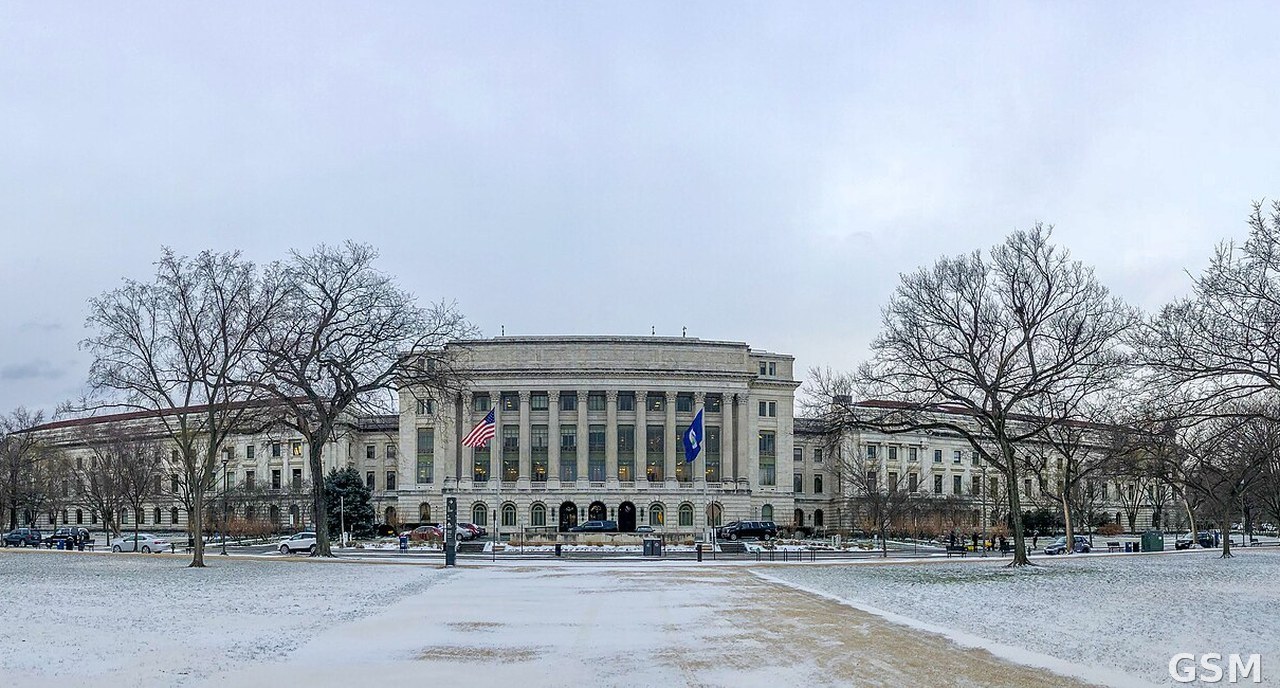
财政部:FinCEN识别约2.7亿美元涉联邦学生资助诈骗可疑交易 已移交调查
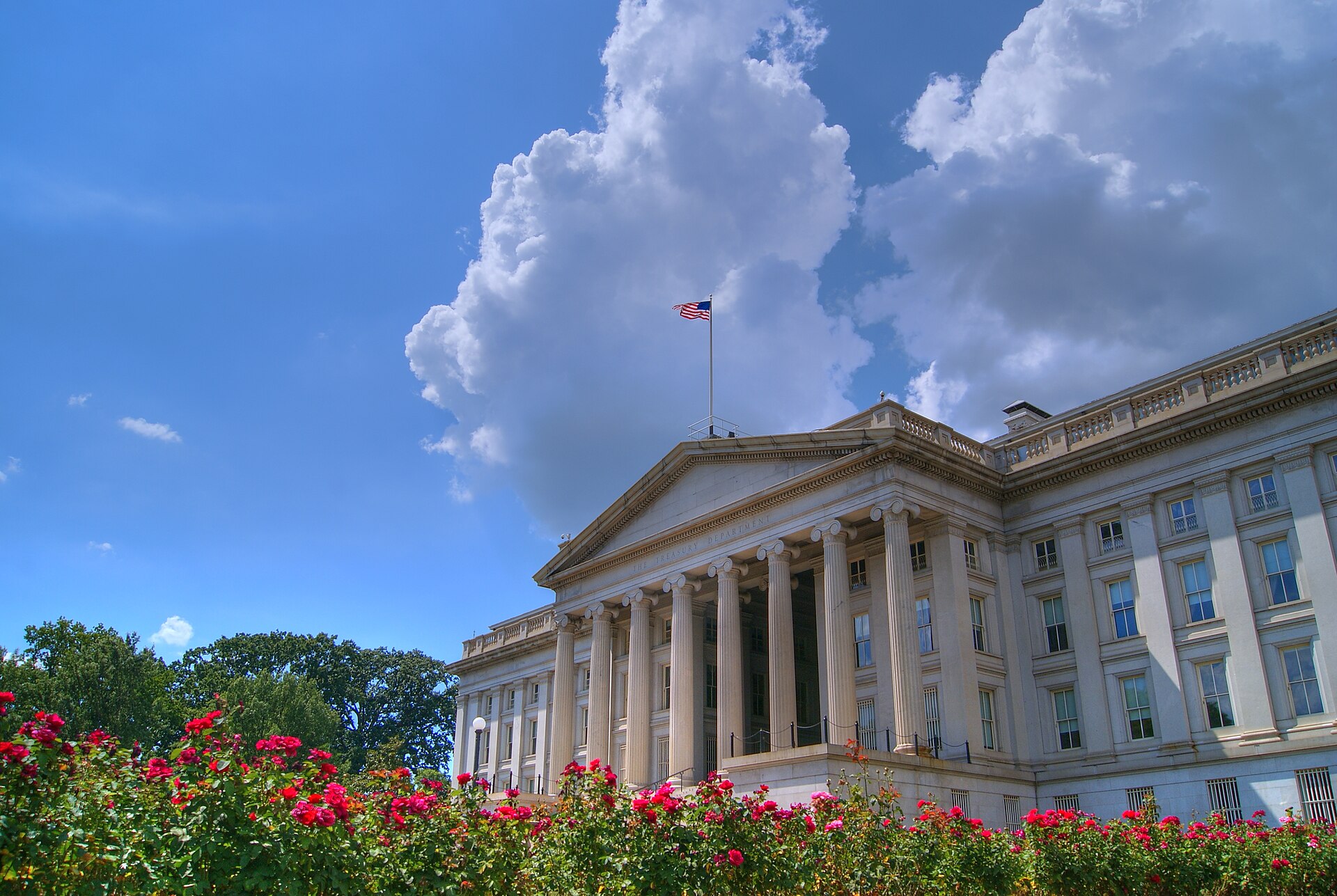
华盛顿——美国财政部 10月19日宣布,其金融犯罪执法网络(FinCEN)已识别出约 2.7 亿美元可能与联邦学生资助项目诈骗有关的可疑金融活动,并已将调查结果移交联邦调查人员,以追查针对联邦学生资助项目的诈骗计划、帮助追回资金并追究责任人。
财政部称,FinCEN 今年 7 月向金融机构发出学生资助诈骗警示后,金融机构已提交近 100 份可疑活动报告;FinCEN 的审查共识别出自今年 2 月以来 2 万多笔潜在可疑交易,总额约 2.7 亿美元。财政部强调,这些数字反映的是金融机构报告的活动、并不代表学生资助诈骗的全部规模,相关信息已作为线索材料提供给执法部门供可能的调查使用。
据财政部介绍,常见手法包括:以盗取的个人信息(包括姓名与社会安全号码)虚假注册入学、冒用受害人身份申领资助的「幽灵学生」计划,其中有人还将盗取的信息与虚构细节拼凑成可通过身份核查的合成身份;以及诈骗团伙付钱购买真实个人信息、将提供信息者注册入学并截留资助退款的「稻草学生」计划,部分案件还有腐败的学校雇员协助招募参与者或篡改学生记录。学校与支付承包商通常以电子转账发放资助退款,交易备注常带「refund」(退款)字样及学校名称或缩写,诈骗分子则通过资金骡子、空壳公司与虚假银行账户转移赃款、掩盖来源。财政部指出,受害人包括未成年人,许多人并不知道有人以自己的名义领取了学生资助。
财政部长 Scott Bessent 表示:「联邦学生资助旨在扩大教育机会,而不是让诈骗分子中饱私囊——他们偷走的是求学学生与辛勤纳税人的钱。特朗普政府不会容忍犯罪分子利用政府项目谋取私利。财政部正与金融机构和执法部门合作,识别这些诈骗计划,追回被盗资金,并追究责任人。」教育部长 Linda McMahon 表示,教育部今年早些时候推出了新的 FAFSA 诈骗检测工具,在资助流程的起点就拦截诈骗;教育部与白宫打击欺诈、浪费与滥用工作组合作,在不到两年内已为美国纳税人挽回逾 20 亿美元。
Treasury: FinCEN Identifies About $270 Million in Suspicious Activity Linked to Federal Student Aid Fraud, Refers Findings to Investigators
WASHINGTON — The U.S. Department of the Treasury announced on October 19 that its Financial Crimes Enforcement Network (FinCEN) has identified approximately $270 million in suspicious financial activity potentially linked to fraud against federal student aid programs, and has referred the findings to federal investigators to pursue potential fraud schemes, help recover funds and ensure those responsible are held accountable.
Since FinCEN issued an alert to financial institutions in July 2026 warning about student aid fraud, financial institutions have filed nearly 100 suspicious activity reports, the Treasury said. FinCEN's review identified more than 20,000 potentially suspicious transactions dating back to February 2026, totaling approximately $270 million. The Treasury emphasized that the figures reflect activity reported by financial institutions and do not represent the full scope of student aid fraud, and that the information has been provided to law enforcement as tip-and-lead material for possible investigations.
According to the Treasury, common schemes include "ghost student" fraud, in which criminals use stolen personal information, including names and Social Security numbers, to enroll fake students under victims' identities — in some cases combining stolen data with fabricated details to create synthetic identities capable of passing identity checks — and "straw student" rings, in which fraudsters pay real people for their personal information, enroll them in classes and keep the resulting aid refunds, sometimes assisted by corrupt school employees who recruit participants or alter student records. Schools and payment contractors often issue aid refunds by electronic bank transfer, with payment descriptions commonly including the word "refund" and a school's name or initials, while fraudsters move funds through money mules, shell companies and fake accounts to disguise their origin. The department noted that victims, including minors, often do not know that someone has received student aid in their name.
"Federal student aid is intended to expand educational opportunities, not line the pockets of fraudsters who steal from students pursuing their education and hardworking taxpayers," said Treasury Secretary Scott Bessent. "The Trump Administration will not tolerate criminals who exploit government programs for personal gain. Treasury is working with financial institutions and law enforcement to identify these fraud schemes, recover stolen funds, and hold those responsible accountable." Education Secretary Linda McMahon said her department introduced a new FAFSA fraud detection tool earlier this year that stops fraud at the start of the aid process, and that cooperation with the White House Task Force to combat fraud, waste and abuse has already saved taxpayers more than $2 billion in less than two years.
发布:GSM·美国(发布链接)
图片来源:位于华盛顿的美国财政部大楼(资料照片)。Erich Robert Joli Weber 摄,CC BY-SA 3.0,经 Wikimedia Commons 发布。
GSM Global · 本篇英文版 English edition of this story