最高法院受理1868年家庭蒸馏禁令案 将裁定国会禁止在家蒸馏烈酒是否越权
华盛顿——美国最高法院10月19日在命令清单中同意受理司法部(Department of Justice, DOJ)就家庭蒸馏禁令提出的上诉,将裁定国会是否有宪法权力禁止民众在私人住宅内蒸馏烈酒。据路透社报道,本案案名为 Department of Justice v. McNutt,案号 26-204,最高法院受理的是司法部针对第五巡回上诉法院裁决提出的上诉;本次受理只是同意审理,并不意味着禁令即日起在全美失效。
争议法律可追溯至1868年7月:南北战争结束后,联邦政府为打击烈酒税逃漏而立法。现行法律禁止在「任何住宅」以及与住宅相连的棚屋、院落或围地内设置蒸馏烈酒的设备,违法者最高可处5年监禁并科1万美元罚款。家庭酿造啤酒与葡萄酒不在此禁令范围内,商业蒸馏则属合法并须缴税。司法部在申请受理的文件中表示,国会160年前限制家庭蒸馏,正是因应烈酒税长期遭逃漏的历史,此举旨在保障一项每年带来数十亿美元的联邦税收来源;代表政府出庭的联邦总律师 D. John Sauer 称该禁令有「悠久历史与常识性的理由」。
下级法院今年4月出现分歧,相隔仅11天作出相反裁决。总部位于 New Orleans 的第五巡回上诉法院三人合议庭裁定禁令违宪,首席意见由法官 Edith Hollan Jones 撰写,认为该禁令并不产生税收,超出国会征税权范围,也不属于执行征税权所「必要且适当」的手段,并维持 Texas 州 Fort Worth 联邦地区法官 Mark Pittman 2024年的裁决,禁止联邦政府对本案原告执法;原告包括总部位于 Texas 的 Hobby Distillers Association 及其成员。总部位于 Cincinnati 的第六巡回上诉法院则在 Ohio 州 Newark 酒馆经营者 John Ream 一案中维持禁令合宪,认为它是征收烈酒消费税的必要且适当手段。
挑战禁令一方由 Buckeye Institute 代理,该机构总裁兼首席执行官 Robert Alt 在最高法院受理后表示,对大法官愿意审理 McNutt 案感到振奋,称其当事人终将获得出庭陈述的机会。Ohio、Florida、Idaho 等15个共和党主政州的总检察长也提交法庭文件支持挑战方,敦促最高法院解决巡回法院之间的分歧。案件预计于2027年初进行口头辩论,2027年6月底本审期结束前作出裁决。
Supreme Court Takes Up 1868 Home Distilling Ban in Department of Justice v. McNutt
Washington — The U.S. Supreme Court on October 19 agreed, in its orders list, to hear the Justice Department's appeal in the home distilling case and will decide whether Congress had constitutional authority to ban distilling spirits in private homes. According to Reuters, the case is Department of Justice v. McNutt, No. 26-204, and the justices took up the government's appeal of a Fifth Circuit ruling against the ban. The grant of review only accepts the case for argument; it does not itself strike down the ban or legalize home distilling nationwide.
The law at issue traces to July 1868, when, after the Civil War, Congress moved against widespread evasion of the federal liquor tax. Current law bars a distilled spirits plant from being located in any dwelling house, or in any shed, yard or enclosure connected with a dwelling house; violators face up to five years in prison and a $10,000 fine. Brewing beer and making wine at home are not covered by the ban, and commercial distilling is legal and taxed. In its petition, the Justice Department said Congress restricted home distilling 160 years ago in response to an extensive history of evasion of the distilled-spirits tax, and that the government has a substantial interest in safeguarding a source of revenue that now generates billions of dollars a year. Solicitor General D. John Sauer pointed to what he called the ban's venerable history and commonsense rationale.
Lower appeals courts split in April, issuing conflicting rulings 11 days apart. A three-judge panel of the New Orleans-based Fifth Circuit declared the ban unconstitutional. Writing for the court, Judge Edith Hollan Jones said the provisions raise no revenue and go beyond Congress's taxing power, and are not necessary and proper to carrying out that power; the panel upheld a 2024 ruling by U.S. District Judge Mark Pittman in Fort Worth, Texas, barring enforcement against the plaintiffs, who include the Texas-based Hobby Distillers Association and its members. Days later, the Cincinnati-based Sixth Circuit upheld the ban in a case brought by John Ream, a brewpub owner from Newark, Ohio, calling it a necessary and proper means of collecting the federal excise tax on distilled spirits.
The challengers are represented by the Buckeye Institute, whose president and CEO, Robert Alt, said after the grant that the institute is thrilled the Supreme Court took the McNutt case and that its clients will have their day in court. Attorneys general from 15 Republican-led states, including Ohio, Florida and Idaho, also filed a brief backing the challengers and urging the justices to resolve the split between the circuits. Oral arguments are expected in early 2027, with a ruling due by the end of June 2027, when the Court's term closes.
发布:GSM·美国(发布链接)
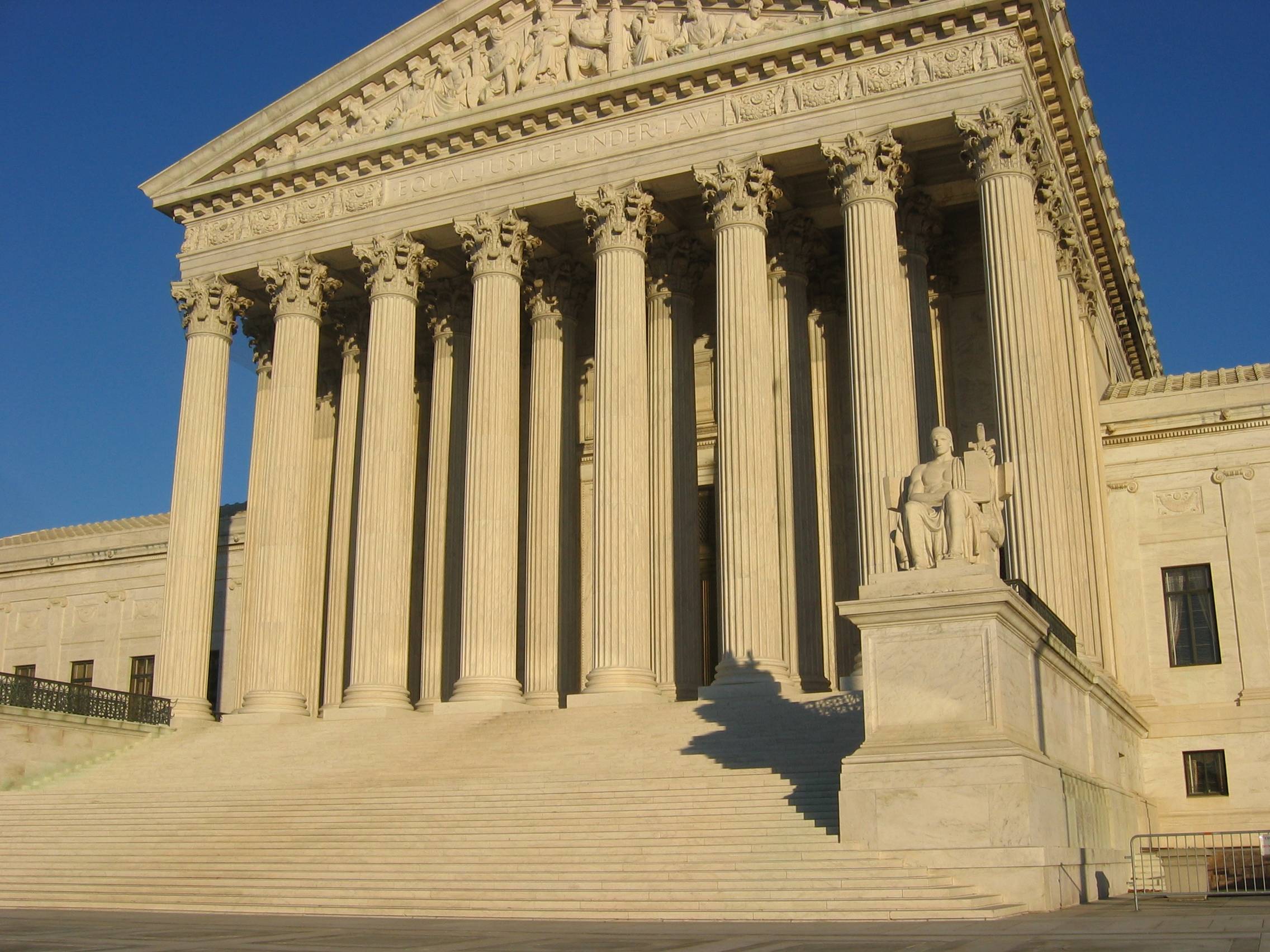
图片来源:图:美国最高法院大楼。Duncan Lock 摄,CC BY-SA 3.0,经 Wikimedia Commons 发布。
GSM Global · 本篇英文版 English edition of this story