教育部发布「职业佩尔」法规问答:短期培训项目的学生与院校资格一次说清
美国教育部联邦学生援助办公室10月15日通过电子公告(编号GENERAL-26-64)发布《职业佩尔法规常见问题》,就今年5月19日刊于《联邦公报》(91 FR 29254)的职业佩尔(Workforce Pell)最终法规集中答疑,说明学生与院校如何取得并维持短期职业培训项目的资助资格。问答全文发布在教育部的「一项大而美法案」信息专题页,教育部表示将随新问题陆续更新。
职业佩尔源于《一项大而美法案》(又称《工薪家庭减税法》,公法第119-21号),该法把联邦佩尔助学金的资格扩展到就读高质量短期职业培训项目的学生。按法规,合格项目须由合格院校开办,时长为150至599课时(或4至15个学期学分、6至23个学季学分),授课至少8周但少于15周;项目须经州长或部落政府认证,并获教育部批准;完成率与就业率两项指标均须达到至少70%;学费与费用不得超过所计算的增值收入收益;函授、补习、英语作为第二语言、留学与直接评估课程不计入;且项目须在院校申请批准之前,已按上述长度要求运行满12个月。
问答说明,新规自2026-27奖助年起生效,教育部已自2026年7月1日起受理院校提交项目申请,首个合格职业项目于8月4日获批,此后滚动审核。院校申请共四步:先自查项目长度与认证范围等要求;再请州长或其正式指定人审查并签署州职业佩尔项目认证表;随后通过联邦学生援助计划参与申请(E-App)提交项目名称、专业与职业代码、州长认证日期等信息并上传认证表;教育部批准后,院校会收到更新的资格与认证批准报告,之后才可向在读学生发放佩尔助学金,并可追溯至项目取得资格的那个付款期期初。
学生规则方面,已获得学士学位的人也可就读合格职业项目并领取职业佩尔,但正在攻读研究生或已持有研究生学位者除外;这类学生的佩尔预定奖额须由学校助学金管理员在其信息记录上作相应标注后,系统才会计算。学生不能同时凭另一个项目(同一院校或另一院校)领取佩尔助学金;就读职业项目只可据此获得佩尔助学金,不能据此获得联邦直接贷款、联邦勤工助学或联邦补充教育机会助学金,但不影响其申请私人贷款或《劳动力创新与机会法》的资助;退学时须按第四章助学金退还规则计算。教育部说明,这份问答属指引文件,本身不具有法律效力。
Education Department Publishes Workforce Pell FAQ Clarifying Eligibility for Short-Term Training Programs
The U.S. Department of Education's Federal Student Aid office on October 15 published Frequently Asked Questions on the Workforce Pell regulations (Electronic Announcement GENERAL-26-64), answering questions about the final regulations published in the Federal Register on May 19, 2026 (91 FR 29254) and explaining how students and institutions establish and maintain eligibility for short-term workforce programs. The FAQ is posted on the department's One Big Beautiful Bill Act information topics page and will be updated periodically as new questions are answered.
Workforce Pell stems from the One Big Beautiful Bill Act, also known as the Working Families Tax Cuts Act (Public Law 119-21), which extended federal Pell Grant eligibility to students enrolled in high-quality, short-term eligible workforce programs. Under the regulations, an eligible program must be offered by an eligible institution, run 150 to 599 clock hours (or 4 to 15 semester hours, or 6 to 23 quarter hours) over at least eight but fewer than 15 weeks of instruction, be certified by a state governor or tribal government, and be approved by the Department of Education. Programs must meet minimum completion and job placement rates of at least 70%, tuition and fees must not exceed the calculated value-added earnings benefit, and correspondence, remedial, English-as-a-second-language, study-abroad and direct-assessment coursework does not count. A program must also have met the length requirements for the 12 months before an institution applies for approval.
According to the FAQ, the regulations take effect beginning with the 2026-27 award year. The department began accepting institutional applications on July 1, 2026, approved the first eligible workforce program on August 4, 2026, and continues to review applications on a rolling basis. The process has four steps: the institution checks the program against the length and accreditation requirements; the governor or an official designee reviews the program and signs the state Workforce Pell certification form; the institution applies through the Application to Participate in the Federal Student Aid Programs (E-App), entering details such as the program name, CIP and SOC codes and the governor certification date and uploading the signed form; and once the department approves, the institution receives an updated Eligibility and Certification Approval Report and may award Pell funds, retroactive to the start of the payment period in which the program became eligible.
For students, the FAQ says a bachelor's degree holder may receive Workforce Pell for an eligible workforce program, but students enrolled in graduate programs or holding graduate credentials cannot. For degree holders, a financial aid administrator must flag the student's record before the system will calculate a Pell scheduled award. A student cannot receive a Pell Grant for a workforce program and another program at the same time, and Pell is the only Title IV aid available on the basis of enrollment in such a program — Direct Loans, Federal Work-Study and the Federal Supplemental Educational Opportunity Grant are not — though private loans and Workforce Innovation and Opportunity Act funding remain possible. Withdrawals are subject to the standard Return to Title IV rules. The department noted the FAQ is guidance and does not have the force of law.
发布:GSM·美国(发布链接)
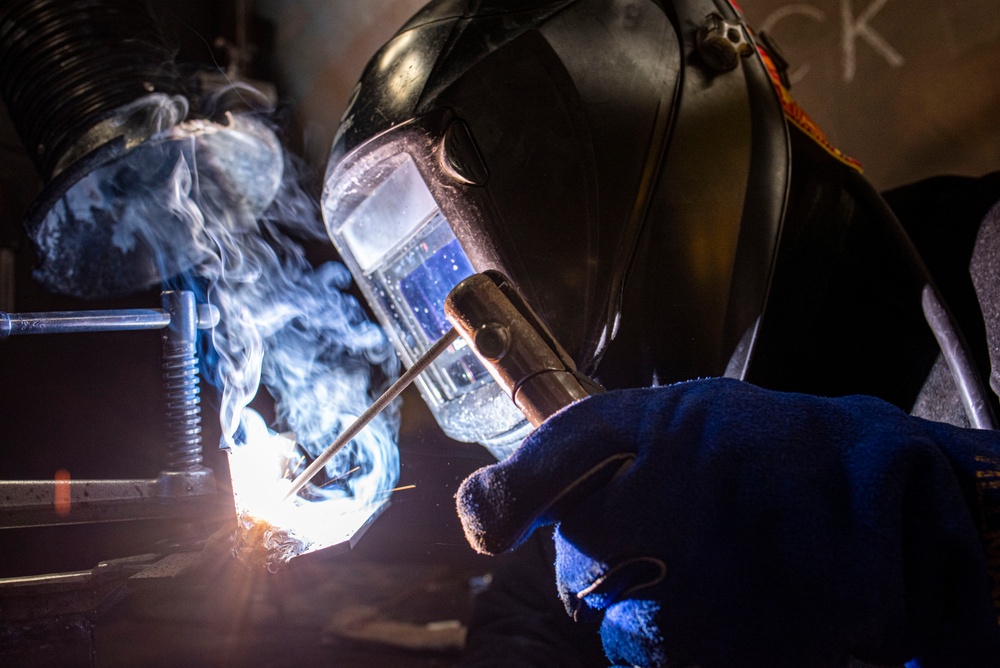
图片来源:学员在焊接与维修技术培训课上练习电弧焊(资料图)。A student practices arc welding in a technical welding and repair training course (file photo). U.S. Navy photo by Michael Williams via DVIDS, public domain.
GSM Global · 本篇英文版 English edition of this story