7500万美元发币免注册:SEC提出《加密资产监管条例》,代币首次有了「毕业」通道
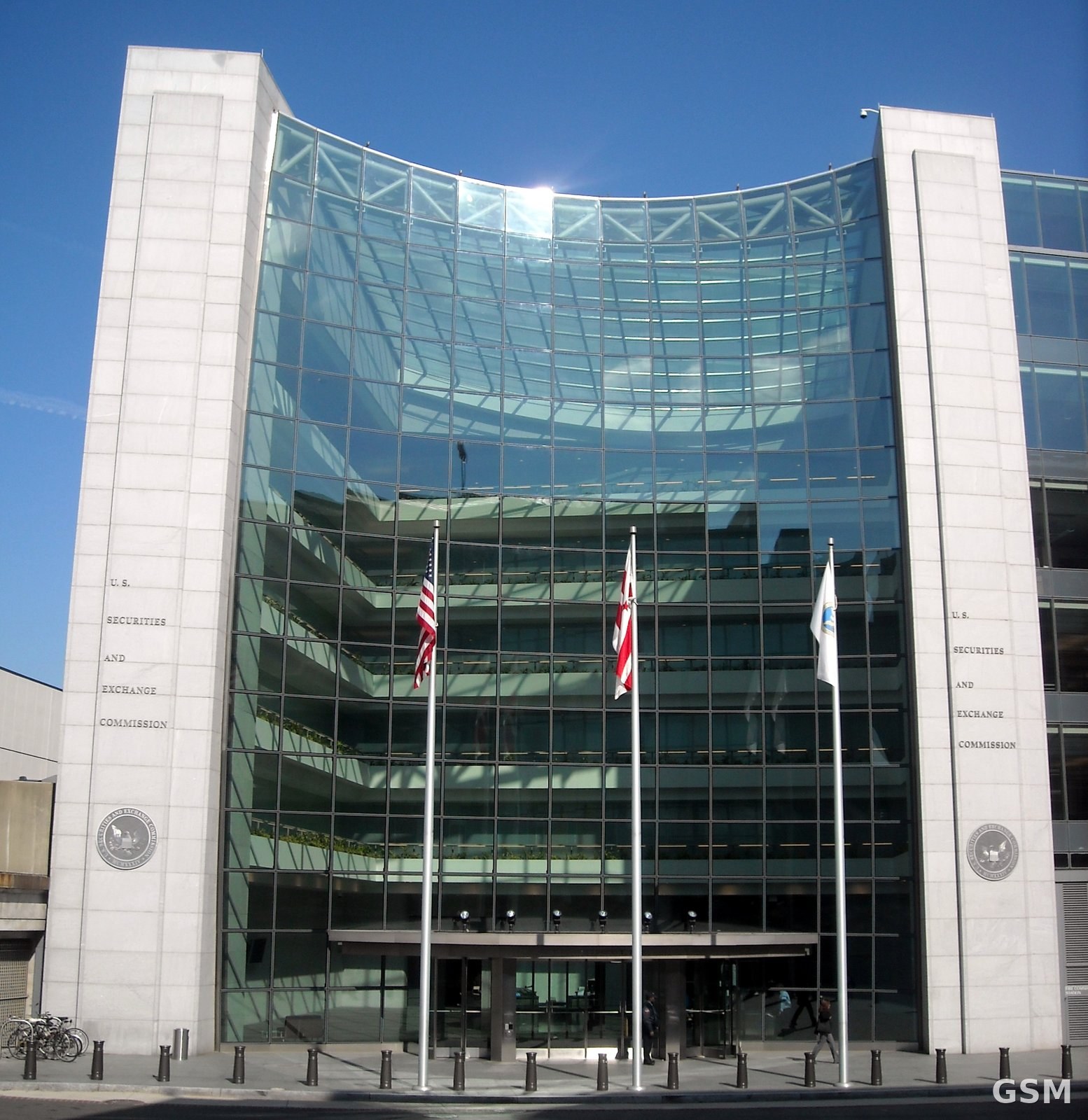
华盛顿消息:美国证券交易委员会(Securities and Exchange Commission,SEC)于2026年8月18日提出《加密资产监管条例》(Regulation Crypto Assets)拟议规则,为涉及加密资产的「投资合同」创设一套专门的发行制度。拟议文本约400页,8月21日刊于《联邦公报》,文号为 Release Nos. 33-11434、34-106150,档案号 S7-2026-27。这是SEC首次专为加密资产发行走完「事先通告、公开征求意见」的正式 rulemaking 程序。
此举的直接背景是国会立法停滞。划分SEC与商品期货交易委员会(Commodity Futures Trading Commission,CFTC)管辖权的《数字资产市场清晰法案》(CLARITY Act)2025年已在众议院通过,2026年9月15日却在参议院以49票对50票未能通过结束辩论的程序性表决,立法进程搁浅。此前在2026年3月17日,SEC与CFTC已先行联合发布解释,确立五类代币分类法:比特币、以太坊等「数字商品」归CFTC管辖,支付型稳定币按《GENIUS法案》归银行监管机构,构成证券的代币归SEC。8月这份拟议规则,就是SEC在自身管辖范围内把「发行」一端的规矩补齐。
拟议规则创设两项《1933年证券法》注册豁免。其一为「初创豁免」:早期加密项目四年内发行上限500万美元,每种加密资产只能使用一次;发行人无须提交财务报表,只须在交易前提交「依赖通知」(Form NOR),并按规则第103条在本机构网站公布原则导向的叙述性披露,内容包括投资合同条款、项目与代币经济模型、关键人员与重大风险。联邦证券法的反欺诈、反操纵条款对两项豁免照常适用。
其二是仿效 Regulation A 的「募资豁免」,分两档滚动使用:一档12个月内上限2000万美元,其中关联方出售不超过600万美元,财务报表无须审计;二档上限7500万美元,关联方出售不超过2250万美元,须提供按美国公认会计原则编制并经审计的财务报表。发行人须为在美国组建、主要管理人员为美国公民或居民、过半数资产位于美国且主要经营管理在美国的实体。发售前,发行人须向SEC提交新设的 Form 1-CRYPTO 发行说明书,经SEC审核合格后方可销售;发行后须持续提交年报、半年报与重大事项报告。非合格投资者(non-accredited investor)的认购额上限为其年收入或净资产较高者的10%。
拟议规则还创设一项附条件「安全港」(拟议规则第400条):当发行人已经完成、或永久停止了其在投资合同中承诺的全部关键管理努力,不再作出新的此类承诺,并公开提交符合条件的证明与分析后,与该代币相连的投资合同即被视为终止,代币由此「毕业」,不再因该投资合同被当作证券。另据拟议规则第500条,依上述豁免发行证券的要约与出售、以及部分二级市场交易,将优先于各州的证券注册与资格要求,不必再逐州登记。
SEC主席 Paul Atkins 在发布当日的声明中说:「在委员会持续为加密市场提供清晰度的努力中,在国会着手建立持久监管框架的同时,《加密资产监管条例》旨在为加密资产创业者与市场参与者提供在联邦证券法下筹集资金的清晰路径。」他还表示,国会设计证券法的本意,是在特定护栏之内放大创业者创新与建设新产品的机会,推动这套框架是SEC让规则手册跟上现代步伐的关键一步,也是把加密资产市场创新「引回岸上」的又一步。
委员 Hester Peirce 在声明中支持提案,并指出新设的豁免与安全港「不会适合每一种模式」,SEC希望在六十天征询期内听取公众反馈,让规则做到量身合体、同时切实保护投资者与市场诚信。委员 Mark T. Uyeda 在声明中说,提案将为加密创业者与市场参与者提供「可以依赖的规则」;他并回顾,自2025年1月20日起,委员会已经从「以执法代监管」转向先倾听公众的做法。该提案在委员会内未见公开反对:SEC最后一位民主党委员 Caroline Crenshaw 已于2026年1月离任,其席位至今空缺。
拟议规则的公众意见征询期已于2026年10月20日截止。截至本文刊发,SEC尚未公布最终规则,提案中的额度、条件与表格仍可能在定稿时调整;在最终规则出台之前,现行发行规则保持不变。对在美国从事代币发行的创业者、包括华人创业者而言,这套规则若按现文本定稿,将第一次为「数字商品」型代币提供一条留在美国境内、走豁免通道公开募资的成文路径。
关联:63亿美元被盗之夜:读懂加密货币与币安,全球最大交易所为何从未上市
关联:63亿美元被盗:币安遭遇史上最大加密货币盗窃,约30亿已被冻结,公司称全额赔付
关联:货币监理署 OCC 定版稳定币终规:1比1储备、两日赎回 2027年1月18日随《GENIUS法案》生效
关联:证券交易委员会提议放行加密资产自托管:投资顾问与基金满足条件可自行保管资产
来源:GSM·美国
$75 Million Token Offerings Without Registration: SEC Proposes Regulation Crypto Assets and a First 'Graduation' Path for Tokens
Washington — The U.S. Securities and Exchange Commission (SEC) on August 18, 2026, proposed a new rulebook titled "Regulation Crypto Assets," a tailored offering regime for "investment contracts" involving crypto assets. The roughly 400-page proposal was published in the Federal Register on August 21 (Release Nos. 33-11434 and 34-106150, File No. S7-2026-27). It is the SEC's first standalone notice-and-comment rulemaking written specifically for crypto asset offerings.
The immediate backdrop is a stalled Congress. The Digital Asset Market Clarity Act (CLARITY Act), which would divide jurisdiction between the SEC and the Commodity Futures Trading Commission (CFTC), passed the House in 2025 but fell short in the Senate on September 15, 2026, when a procedural cloture vote failed 49 to 50, leaving the legislative path blocked. Earlier, on March 17, 2026, the SEC and CFTC had jointly issued an interpretation establishing a five-category token taxonomy: "digital commodities" such as Bitcoin and Ether fall under the CFTC, payment stablecoins are supervised by banking regulators under the GENIUS Act, and tokens that are securities remain with the SEC. The August proposal is the SEC filling in the issuance side of the framework within its own jurisdiction.
The proposal creates two exemptions from registration under the Securities Act of 1933. The first, a "startup exemption," would let early-stage crypto projects raise up to $5 million over a four-year period, usable only once per crypto asset. Issuers would not have to provide financial statements; they would file a notice of reliance (Form NOR) before any covered transaction and publish principles-based narrative disclosures on their website under proposed Rule 103, covering the terms of the investment contract, the project and its tokenomics, key persons, and material risks. The antifraud and antimanipulation provisions of the federal securities laws would apply under both exemptions as usual.
The second, a "fundraising exemption" modeled in part on Regulation A, would be available on a recurring 12-month basis in two tiers. Tier 1 would permit up to $20 million, including no more than $6 million sold by affiliates, with unaudited financial statements. Tier 2 would permit up to $75 million, including no more than $22.5 million from affiliates, and would require financial statements prepared under U.S. GAAP and audited. Issuers must be organized in the United States, with a majority of officers or directors who are U.S. citizens or residents, more than half of their assets in the United States, and principal administration in the United States. Before any sale, an issuer must file a new offering statement on Form 1-CRYPTO and have it qualified by the SEC; afterwards it must file annual, semiannual, and current reports. Purchases by non-accredited investors would be capped at 10 percent of the greater of their annual income or net worth.
The proposal also includes a conditional safe harbor (proposed Rule 400): once an issuer has completed, or permanently ceased, all of the essential managerial efforts it represented or promised under an investment contract, makes no new such promises, and publicly files a certification and supporting analysis that the conditions are met, the investment contract would be deemed to have ended — the token "graduates" and is no longer treated as a security by virtue of that contract. Under proposed Rule 500, offers and sales made under the exemptions, as well as certain secondary-market transactions, would preempt state securities registration and qualification requirements, ending the need to register state by state.
"As we continue the Commission's efforts to provide clarity for crypto markets, and as Congress works to establish a lasting regulatory framework, Regulation Crypto Assets seeks to provide crypto asset entrepreneurs and market participants with clear pathways to raise capital under the federal securities laws," SEC Chairman Paul S. Atkins said in a statement on the day of the proposal. He added that Congress designed the securities laws to amplify, within specific guardrails, opportunities for entrepreneurs to innovate and build new products, and called the framework a key step in updating the rule books for the modern era and in onshoring innovation in crypto asset markets.
Commissioner Hester Peirce, in her statement supporting the proposal, noted that the exemptions and safe harbor "will not fit every model," and said the Commission wants public feedback during the sixty-day comment period so the rules can be tailored while protecting investors and market integrity. Commissioner Mark T. Uyeda said in his statement that the proposal would provide rules that crypto entrepreneurs and market participants can rely on, and recalled that starting on January 20, 2025, the Commission had moved away from regulation by enforcement and begun listening to the public. The proposal advanced with no public dissent inside the Commission: Caroline Crenshaw, its last Democratic member, departed in January 2026, and her seat remains vacant.
The public comment period closed on October 20, 2026. As of publication, the SEC has not issued a final rule, and the dollar limits, conditions, and forms in the proposal could still change before adoption; until a final rule takes effect, the existing offering rules remain in force. For token issuers based in the United States, including Chinese-American founders, the proposal — if adopted substantially as written — would for the first time give "digital commodity" tokens a written, onshore path to raise capital publicly through an exemption rather than through full registration or offshore structures.
Related: SEC Proposes Rule Allowing Advisers and Funds to Self-Custody Crypto Assets Under Set Conditions
Source: GSM America
来源:GSM·美国(原文链接)
图片来源:图:位于华盛顿的美国证券交易委员会(SEC)总部大楼正门。摄影:AgnosticPreachersKid,CC BY-SA 3.0,来源:Wikimedia Commons / Photo: Front entrance of the U.S. Securities and Exchange Commission headquarters in Washington, D.C. Photo by AgnosticPreachersKid, CC BY-SA 3.0, via Wikimedia Commons