美国最高法院全票裁定:SEC追缴非法所得无须先证明投资者遭受金钱损失
美国最高法院2026年6月4日在华盛顿全票裁定,证券交易委员会(SEC)向违法者追缴非法所得(disgorgement)时,无须先证明投资者遭受了金钱损失。第九巡回上诉法院的判决获维持。
本案当事人 Ongkaruck Sripetch 曾以至少20家低价股(penny-stock)公司为工具实施多起欺诈安排。SEC发现后对其提起民事执法诉讼,指控六项证券欺诈与一项出售未注册证券。Sripetch 同意法院对其作出判决并可下令追缴,但当SEC着手寻求逾410万美元追缴时,他提出异议,主张依 Liu v. SEC 一案(591 U.S. 71),SEC没有证据证明其安排使投资者遭受任何财务损失。各巡回法院对此问题存在分歧,最高法院由此受理本案。
判决由 Gorsuch 大法官执笔,Thomas 大法官另提协同意见。法院指出,分析从《美国法典》第15编第78u(d)(5)与78u(d)(7)两条出发:前者允许SEC取得「为投资者利益而适当或必要的任何衡平法救济」,Liu 案认定法院可在此条下命令追缴、但须符合传统衡平法原则;后者是国会在 Liu 案后通过的、明文授权SEC在执法程序中寻求追缴的条款。法院表示,即使假定追缴仍须符合传统衡平法规则,证明投资者金钱损失也不是取得追缴令的前提。
法院的理由是,衡平法院历来会下达旨在剥夺违法者违法活动净收益的救济;依传统原则,寻求这类救济的一方无须证明自己遭受了相应损失、甚至无须证明任何损失,因为这类救济的目的在于让被告交出其不当得利,而非补偿原告的财务损失。法院同时驳回了「Liu 案已确立金钱损失要件」与「不设损失要件会与恢复原状的表述相冲突」等主张。
Supreme Court Rules Unanimously That SEC Need Not Show Investor Pecuniary Loss to Obtain Disgorgement
The Supreme Court of the United States ruled unanimously in Washington on June 4, 2026, that the Securities and Exchange Commission (SEC) is not required to show that investors suffered pecuniary loss before it may obtain a disgorgement award against a wrongdoer. The judgment of the Ninth Circuit was affirmed.
The petitioner, Ongkaruck Sripetch, had engaged in numerous fraudulent schemes involving at least 20 penny-stock companies. On discovering the schemes, the SEC brought a civil enforcement action charging six counts of securities fraud and one count of selling unregistered securities. Mr. Sripetch consented to the entry of judgment against him and agreed that the court could order disgorgement, but when the SEC proceeded to seek over $4.1 million in disgorgement, he objected, arguing that under Liu v. SEC, 591 U.S. 71, the SEC lacked evidence that his schemes caused investors to suffer any financial losses. The Courts of Appeals were divided on the question.
Justice Gorsuch delivered the opinion for a unanimous Court, and Justice Thomas filed a concurring opinion. The Court's analysis begins with two statutory provisions, 15 U.S.C. sections 78u(d)(5) and 78u(d)(7). Section 78u(d)(5) allows the SEC to obtain any equitable relief that may be appropriate or necessary for the benefit of investors, and Liu held that this provision permits a court to order disgorgement so long as the remedy adheres to traditional equitable principles. After Liu, Congress adopted section 78u(d)(7), which expressly allows the SEC to seek disgorgement in enforcement proceedings. The Court said it need not decide whether or how section 78u(d)(7) affects the scope of the SEC's powers, because even assuming disgorgement remains an equitable remedy subject to traditional rules, a showing of pecuniary loss to investors is not required.
The Court reasoned that courts sitting in equity have long issued remedies designed to deprive wrongdoers of their net profits from unlawful activity, and that under traditional equitable principles a person seeking that kind of remedy does not need to prove he suffered a corresponding loss, or indeed any loss: the point of the remedy is for the defendant to give up the amount by which he has been enriched, not to compensate the plaintiff for a financial loss. The Court rejected the arguments that Liu had announced a pecuniary-loss requirement and that dispensing with one would conflict with Liu's description of disgorgement as restoring the status quo.
来源:美国最高法院
发布:GSM·美国(发布链接)
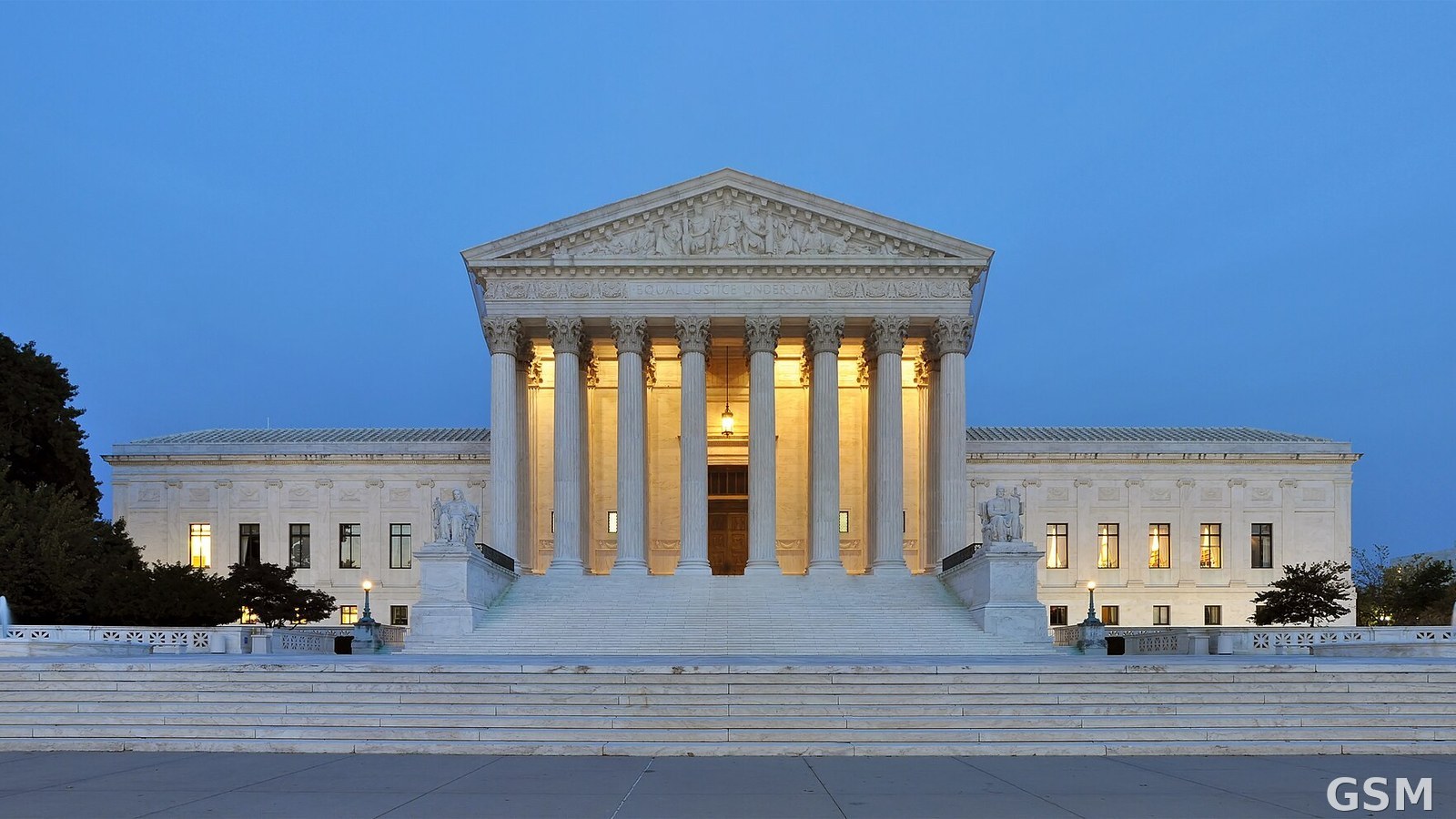
图片来源:图:位于美国华盛顿特区的美国最高法院大楼黄昏全景(资料照片)。Joe Ravi 摄,CC BY-SA 3.0,经 Wikimedia Commons。 / Photo: Panorama of the United States Supreme Court Building in Washington, D.C., at dusk (file photo). Photo by Joe Ravi, CC BY-SA 3.0, via Wikimedia Commons.
GSM Global · 本篇英文版 English edition of this story