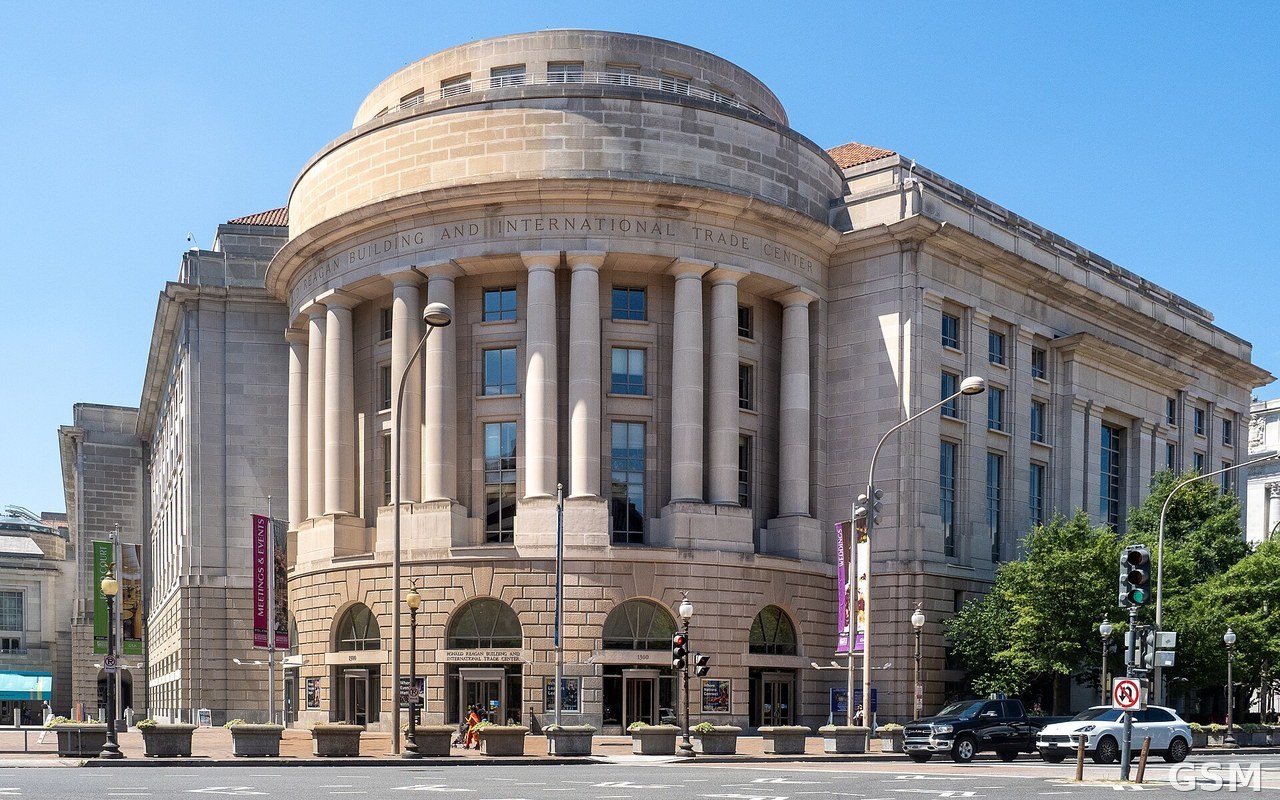
联邦贸易委员会:只为核验年龄收集儿童个人信息,将不予执法
2026年2月25日,美国联邦贸易委员会发布政策声明,宣布不会依据《儿童在线隐私保护法》实施规则,对仅为通过年龄验证技术确定用户年龄而收集、使用与披露个人信息的部分网站与在线服务运营者提起执法行动。
按现行规则,面向13岁以下儿童的商业网站与在线服务运营者,以及明知自己在收集儿童个人信息的运营者,必须向家长提供其信息处理做法的说明,并在收集、使用或披露13岁以下儿童的个人信息之前,取得可核实的家长同意。委员会说,自1998年这部法律制定以来,儿童使用联网技术大幅增长,一些州已开始要求部分网站与在线服务使用年龄验证机制来确定用户年龄,但有些年龄验证技术需要先收集儿童个人信息,由此产生这类做法是否违反规则的疑问。联邦贸易委员会今年1月曾就年龄验证技术召开研讨会。
消费者保护局局长 Christopher Mufarrige 说,年龄验证技术是几十年来最能保护儿童的技术之一,这项声明旨在鼓励运营者使用这些创新工具,让家长有能力保护孩子上网安全。
免于执法附有一系列条件,且只适用于一般受众与混合受众网站和服务的运营者:年龄验证信息只用于确定用户年龄,不作其他用途;保存时间不超过完成年龄验证所需,并在此后及时删除;只向运营者已采取合理步骤确认有能力维护信息保密性、安全性与完整性的第三方披露,包括取得这些第三方的书面保证;向家长与儿童清楚告知所收集的年龄验证信息;对所收集信息采取合理的安全防护;并采取合理步骤,确保所用的年龄验证产品、服务、方法或第三方能给出合理准确的年龄判断结果。
委员会说,它打算启动对《儿童在线隐私保护法》实施规则的审查,专门处理年龄验证机制问题。这项政策声明在委员会在《联邦公报》公布这一议题的最终规则修正案之前,或在声明被撤销之前,持续有效。声明以2票赞成、0票反对通过,牵头经办人是消费者保护局的 Manmeet Dhindsa。
FTC Will Not Bring COPPA Cases Over Personal Information Collected Solely for Age Verification
On February 25, 2026, the Federal Trade Commission issued a policy statement announcing that the Commission will not bring an enforcement action under the Children's Online Privacy Protection Rule (COPPA Rule) against certain website and online service operators that collect, use, and disclose personal information for the sole purpose of determining a user's age via age verification technologies.
The COPPA Rule requires operators of commercial websites or online services directed to children under 13, and operators with actual knowledge they are collecting personal information from a child, to provide notice of their information practices to parents and to obtain verifiable parental consent before collecting, using, or disclosing personal information collected from a child under 13. The Commission said that since COPPA was enacted in 1998, children's use of internet-connected technologies has exploded, and some states have started requiring some websites and online services to use age verification mechanisms, but some of those technologies may require the collection of personal information from children, raising questions about whether such activities could violate the COPPA Rule. The Commission held a workshop on age verification technologies in January.
Christopher Mufarrige, Director of the FTC's Bureau of Consumer Protection, said age verification technologies are some of the most child-protective technologies to emerge in decades, and that the statement incentivizes operators to use these innovative tools, empowering parents to protect their children online.
The enforcement discretion is conditional and applies only to operators of general audience and mixed audience sites and services: information collected for age verification purposes must not be used or disclosed for any purpose except determining a user's age; it must not be retained longer than necessary and must be deleted promptly thereafter; it may be disclosed only to third parties the operator has taken reasonable steps to determine are capable of maintaining the confidentiality, security, and integrity of the information, including by obtaining written assurances; operators must provide clear notice to parents and children of the information collected; they must employ reasonable security safeguards; and they must take reasonable steps to determine that any product, service, method, or third party used for age verification is likely to provide reasonably accurate results as to the user's age.
The Commission said it intends to initiate a review of the COPPA Rule to address age verification mechanisms. The policy statement will remain effective until the Commission publishes final rule amendments on this issue in the Federal Register, or until otherwise withdrawn. The Commission vote to issue the policy statement was 2-0. The lead staffer on this matter is Manmeet Dhindsa from the FTC's Bureau of Consumer Protection.
来源:美国联邦贸易委员会
发布:GSM·美国(发布链接)
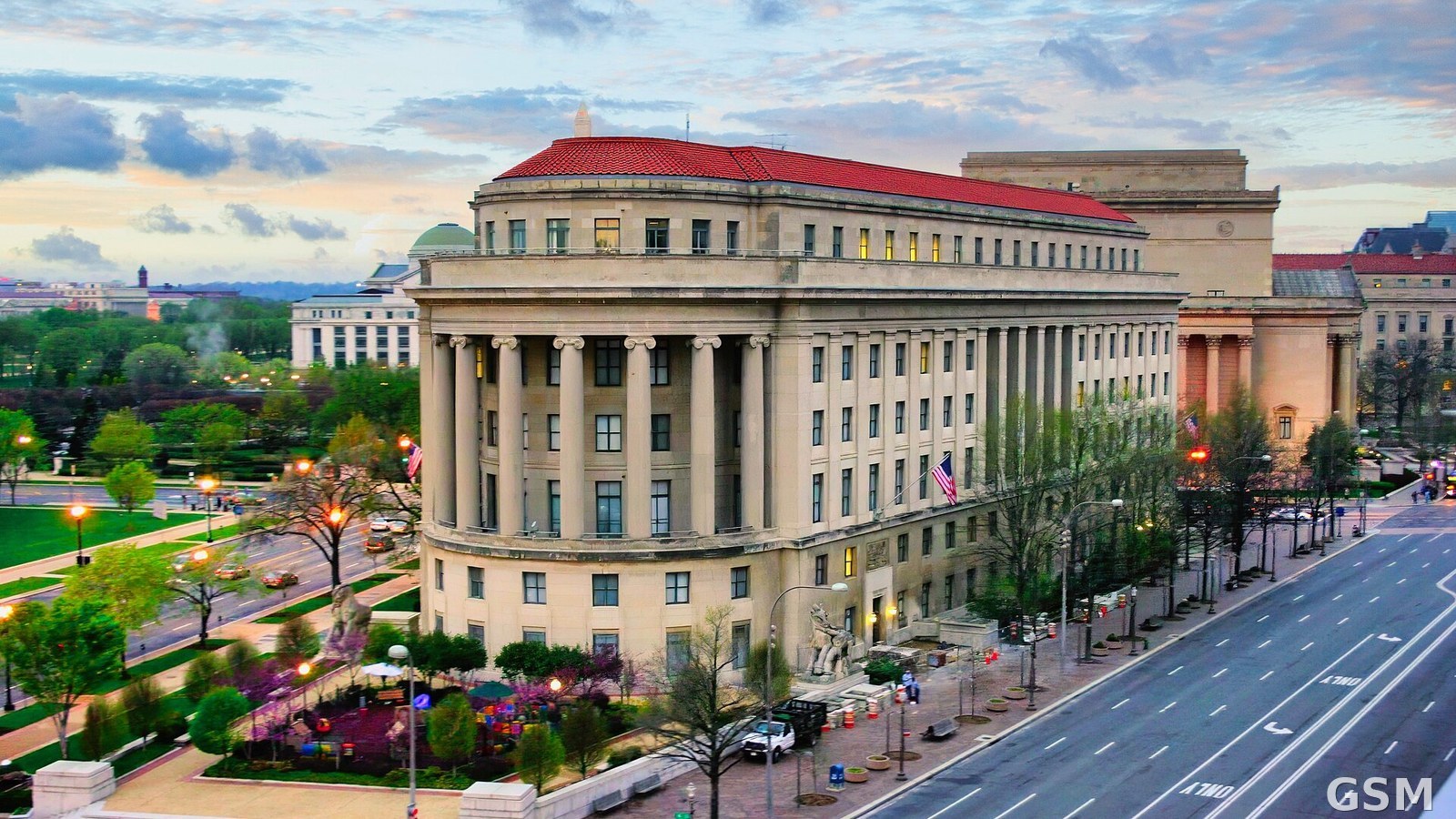
图片来源:图:位于美国华盛顿宪法大道与第七街交口的联邦贸易委员会总部 Apex 大楼(资料照片)。Hkeely 摄,CC BY 4.0,经 Wikimedia Commons。 / Photo: The Apex Building, headquarters of the Federal Trade Commission, at Constitution Avenue and 7th Street in Washington, D.C. (file photo). Photo by Hkeely, CC BY 4.0, via Wikimedia Commons.
GSM Global · 本篇英文版 English edition of this story