最高法院以6比3维持德州色情网站年龄核实法
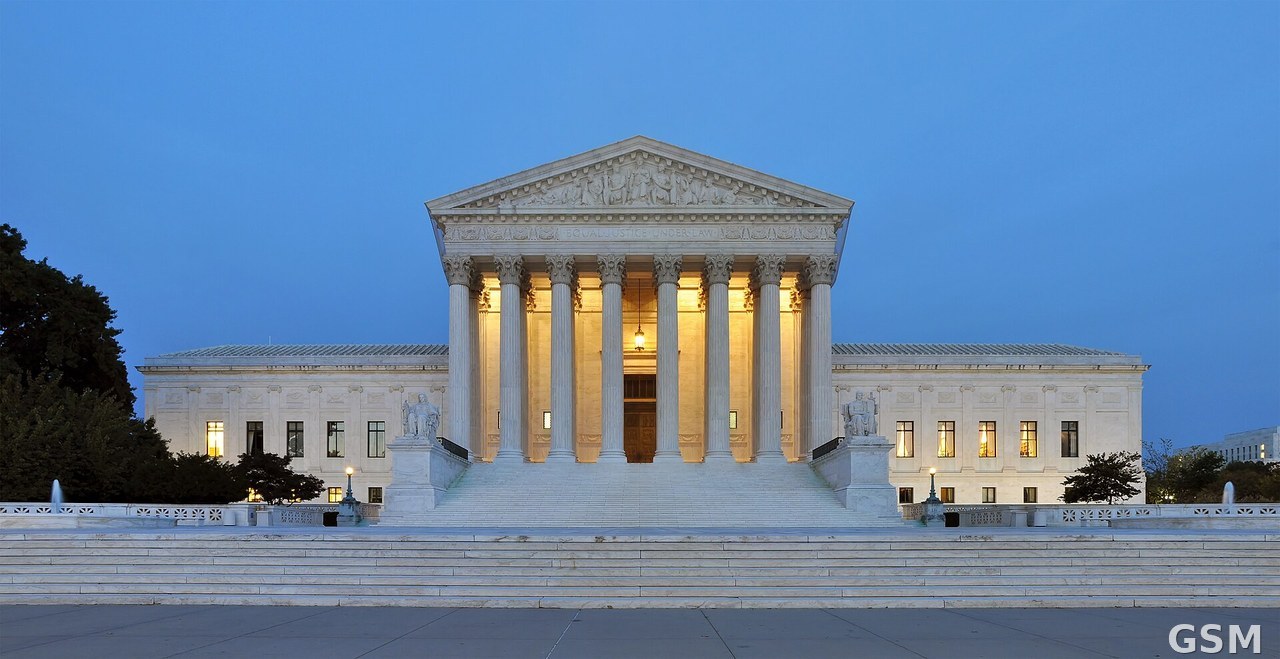
2025年6月27日,美国最高法院在华盛顿以6比3维持德克萨斯州要求色情网站核实访问者年龄的法律,裁定该法对成年人获取受保护言论只构成附带负担,并通过了中间审查。德州总检察长 Ken Paxton 是本案被诉方。
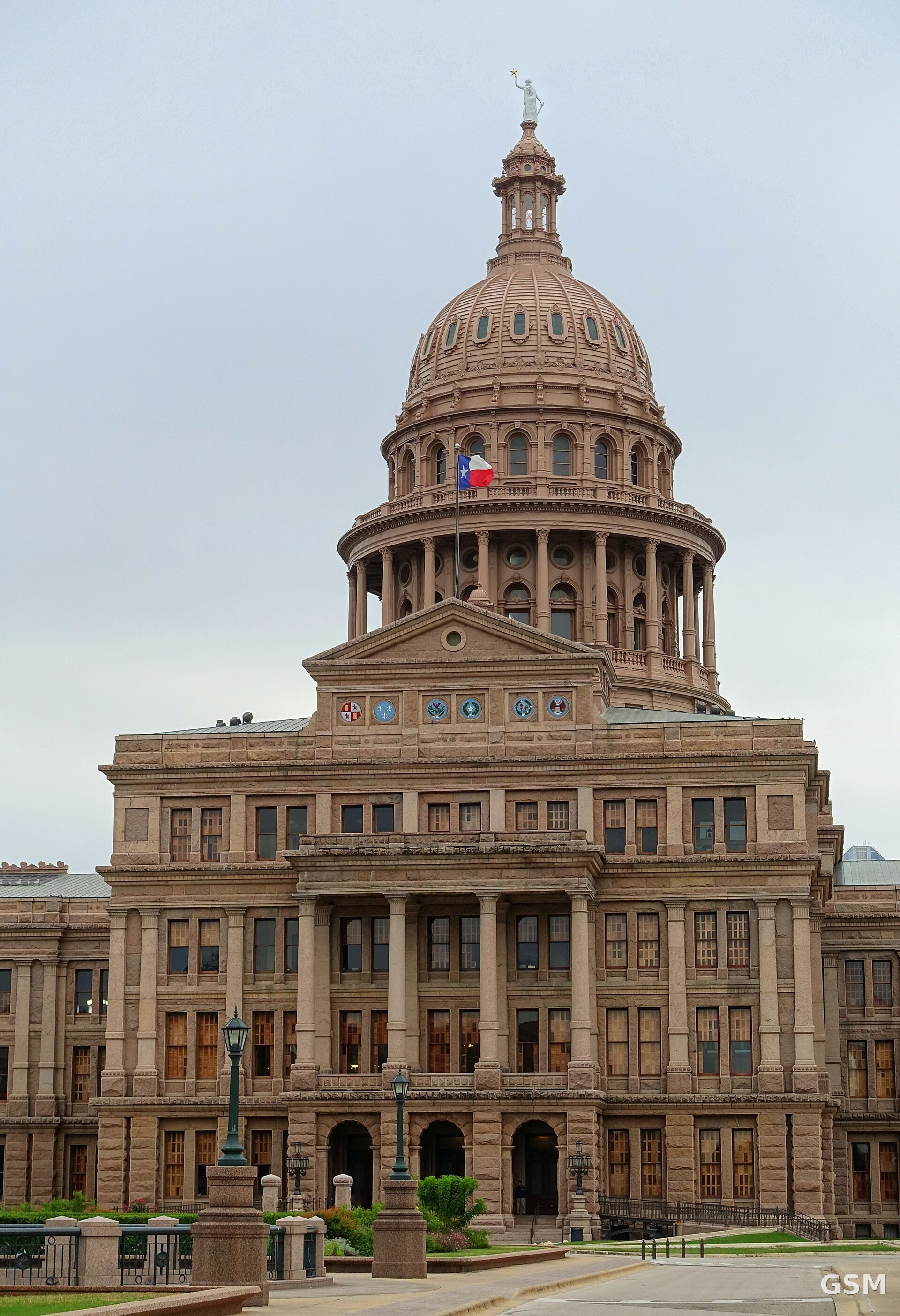
涉案法律是德州议会2023年通过的第1181号众议院法案,德州议会所在地位于德克萨斯州特拉维斯县 Austin。该法适用于明知而发布或传播材料的商业网站,只要其内容超过三分之一是对未成年人有害的性材料,网站就必须用合理方法核实访问者年满18岁,核实方式包括查验政府签发的身份证件,或使用依赖公共或私人交易数据的商业上合理的方法。明知违规的网站可被总检察长起诉禁制,并面临每天最高1万美元的民事罚款。
代表色情行业的自由言论联盟等原告起诉主张,该法要求成年人在获取受宪法保护的内容前先证明年龄,违反第一修正案言论自由条款,应接受最严格的司法审查。联邦地区法院曾叫停该法,联邦第五巡回上诉法院则认为该法只是规管向未成年人传播对其构成淫秽的材料,适用合理基础审查并维持其效力。
大法官 Clarence Thomas 撰写的多数意见说,各州历来有权防止未成年人接触对他们构成淫秽的性内容,这项权力必然包括要求个人在接触此类内容前出示年龄证明的权力。成年人有获取这类内容的权利,但没有免于年龄核实的第一修正案权利,因此该法对成年人言论的负担是附带的,应适用中间审查。在中间审查下,该法推进了保护儿童免受性内容侵害的重要政府利益,裁剪方式与该利益相称,政府证件与交易数据都是已被广泛使用的正当核实手段。多数意见还说,若对年龄核实要求适用严格审查,连长期存在的线下当面核实要求都会被动摇。首席大法官 John Roberts 与大法官 Samuel Alito、Neil Gorsuch、Brett Kavanaugh、Amy Coney Barrett 加入多数意见。
大法官 Elena Kagan 的异议意见认为,该法按内容规管言论、加重成年人获取受保护言论的负担,应适用严格审查。大法官 Sonia Sotomayor 与 Ketanji Brown Jackson 加入异议。
最高法院最终维持第五巡回上诉法院的判决,德州年龄核实法继续有效。案件编号为第23-1122号,2025年1月15日进行口头辩论。
(来源:美国最高法院)
Supreme Court Upholds Texas Age-Verification Law for Pornographic Websites, 6-3
On June 27, 2025, the Supreme Court in Washington upheld, 6-3, a Texas law requiring pornographic websites to verify the ages of their visitors, holding that the law only incidentally burdens the protected speech of adults and survives intermediate scrutiny. Texas Attorney General Ken Paxton was the respondent.
The law at issue is House Bill 1181, enacted by the Texas Legislature in 2023 in Austin, Travis County, Texas. It applies to commercial websites that knowingly publish or distribute material more than one-third of which is sexual material harmful to minors, and requires them to use reasonable methods to verify that a visitor is 18 or older, including government-issued identification or a commercially reasonable method relying on public or private transactional data. A covered entity that knowingly violates the law may be enjoined by the attorney general and faces civil penalties of up to $10,000 per day of noncompliance.
The Free Speech Coalition and other representatives of the pornography industry sued, arguing that requiring adults to prove their age before accessing protected speech violates the First Amendment’s Free Speech Clause and should face strict scrutiny. The district court blocked the law; the Fifth Circuit viewed it as a regulation of distributing to minors material that is obscene for minors, applied rational-basis review, and upheld it.
Writing for the majority, Justice Clarence Thomas reasoned that states have long had the power to prevent minors from accessing sexual content that is obscene as to them, and that this power necessarily includes the power to require proof of age before an individual can access such speech. Adults have a right to access the content but no First Amendment right to avoid age verification, so the burden on adults is incidental and intermediate scrutiny applies. Under that standard, the law advances Texas’s important interest in shielding children from sexual content and is adequately tailored to it, and the verification methods it permits are established and legitimate. Applying strict scrutiny, the majority added, would call into question all age-verification requirements, including longstanding in-person ones. Chief Justice John Roberts and Justices Samuel Alito, Neil Gorsuch, Brett Kavanaugh, and Amy Coney Barrett joined the majority.
Justice Elena Kagan dissented, arguing that the law regulates speech based on its content and burdens adults’ access to protected speech, and so should have been reviewed under strict scrutiny. Justices Sonia Sotomayor and Ketanji Brown Jackson joined the dissent.
The Court affirmed the Fifth Circuit, and the Texas age-verification law remains in effect. The case is No. 23-1122 and was argued on January 15, 2025.
(Source: Supreme Court of the United States)
来源:美国最高法院
发布:GSM·美国(发布链接)
图片来源:图:位于德克萨斯州特拉维斯县 Austin 的德州议会大厦,涉案法律 HB 1181 由德州议会在此通过。Daderot 摄,CC0,经 Wikimedia Commons。 / Photo: The Texas State Capitol in Austin, Travis County, Texas, where the Texas Legislature passed H.B. 1181, the law at issue. Photo by Daderot, CC0, via Wikimedia Commons.
GSM Global · 本篇英文版 English edition of this story