意大利梅扎诺湖底出土3300年青铜剑:公元前13世纪武器出水,青铜时代干栏村落遗址再添斧矛陶器
意大利维泰博省与南埃特鲁里亚考古、美术与景观监管局宣布,考古人员在意大利中部的梅扎诺湖(Lake Mezzano)湖底打捞出一把约3300年历史的青铜剑。这把剑年代约为公元前13世纪,属青铜时代晚期;梅扎诺湖是一座火山湖,位于罗马西北约60英里处。这是自1970年代以来在该湖发现的第三把剑。考古人员认为,公元前1700年至公元前1150年间,湖上曾有一座建在木桩上的干栏式村落。
这把剑出土于湖泊南岸一处此前少有勘探的区域,旁边还有一把剃刀。监管局表示,两件器物相邻出土,提示它们可能属于同一人,此人可能是地位较高的成员或精英武士。同一次考察还出土了完整的陶器花瓶与多件青铜器,包括斧、箭头、匕首、矛头、别针等。欧洲多地有将武器与金属器物投入湖中的发现,研究者认为这类投放可能与宗教仪式或祭品有关,该剑是否属于此类投放仍待研究确认。
梅扎诺湖水下村落最早由地质学家 Lamberto Ferri Ricchi 于1971年发现,他在水下9至30英尺深处找到三座史前干栏建筑的遗存。发掘在1990年代中期停顿近三十年后于近年恢复;去年,考古人员测绘了600多根曾支撑青铜时代聚落的木桩,木桩埋在湖床黏土中,深度从8英尺到32英尺以上,研究者估计这批木桩约占整个聚落的三分之一。2025年的考察还出土了可能用于铸造的青铜锭,提示居民曾在村内制作金属器物。监管局表示,新出土文物计划在一场展览中展出,研究工作仍在继续。
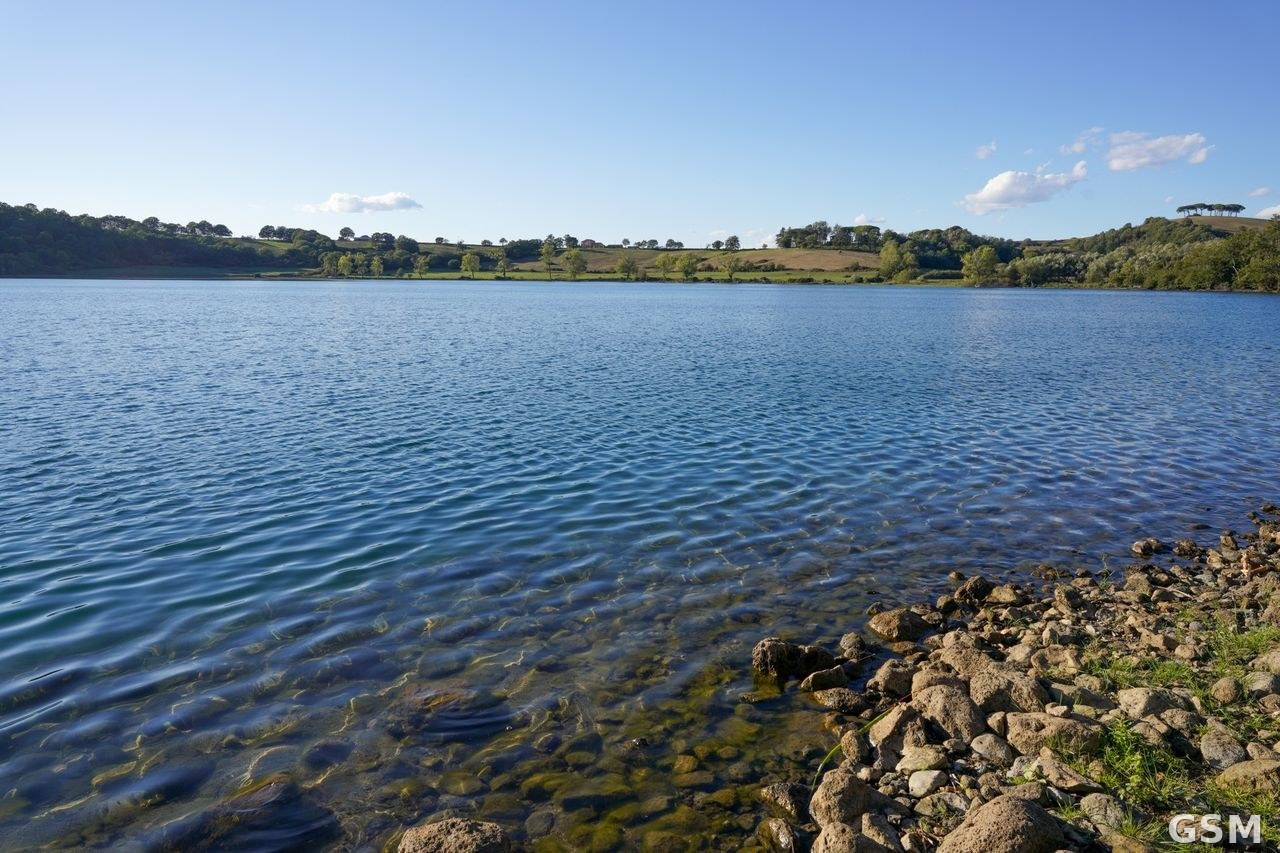
图中是意大利中部的火山湖梅扎诺湖湖岸与湖面。
3,300-Year-Old Bronze Sword Recovered from Italy's Lake Mezzano: A 13th-Century B.C.E. Blade Emerges from a Bronze Age Pile-Dwelling Site
Italy's Superintendence of Archaeology, Fine Arts and Landscape for the Province of Viterbo and Southern Etruria has announced that archaeologists have recovered a roughly 3,300-year-old bronze sword from the bottom of Lake Mezzano in central Italy. The sword is thought to date to the 13th century B.C.E., the Late Bronze Age. Lake Mezzano is a small volcanic lake roughly 60 miles northwest of Rome, and this is the third sword discovered in the lake since the 1970s. Archaeologists think that between 1700 and 1150 B.C.E. the lake was home to a Bronze Age pile-dwelling village, a community lofted above the water on stilts.
The sword was found while excavating a largely unexplored area on the lake's southern shore, lying near a razor. The Superintendence says the pairing suggests the two objects may have belonged to the same person, possibly a high-status individual or an elite warrior. The same expedition recovered intact vases and numerous bronze artifacts, including axes, arrowheads, daggers, spearheads and pins. Similar discoveries across Europe suggest ancient people sometimes deliberately deposited weapons and metal objects in lakes, possibly as religious offerings; whether this sword was such a deposit remains under study.
Geologist Lamberto Ferri Ricchi first discovered the submerged village in 1971, finding the remains of three prehistoric pile-dwellings between nine and 30 feet deep. Excavations halted in the mid-1990s for nearly three decades before resuming; last year archaeologists mapped more than 600 wooden posts believed to have held up the settlement, embedded in the clay lakebed at depths from eight feet to more than 32 feet, and they suspect the posts represent roughly a third of the entire settlement. The 2025 expedition also recovered bronze ingots that may have been used in casting, suggesting residents produced metal objects within the village. The Superintendence says the newly discovered artifacts are planned for display in an upcoming exhibition, and research at the lake continues.
来源:维泰博省与南埃特鲁里亚考古、美术与景观监管局
发布:GSM·美国(发布链接)
图片来源:图中是意大利中部的火山湖梅扎诺湖湖岸与湖面。Wikimedia Commons, CC BY-SA 4.0, WikiRomaWiki
GSM Global · 本篇英文版 English edition of this story