西班牙 El Mirón 洞穴沉积物中提取约22000年前人类核DNA:无骨骼样本,研究刊于《Science Advances》
一项刊于《Science Advances》的研究显示,维也纳大学 Pere Gelabert 带领的团队从西班牙北部 Cantabria 的 El Mirón 洞穴沉积物中,直接提取出约22000年前人类的核DNA,现场没有出土任何骨骼遗骸。
这批DNA来自末次冰盛期最寒冷时期的地层。研究团队表示,沉积物保存了当时在洞穴中活动的人群的遗传信息,使没有骨骼出土的遗址也能开展古DNA研究。
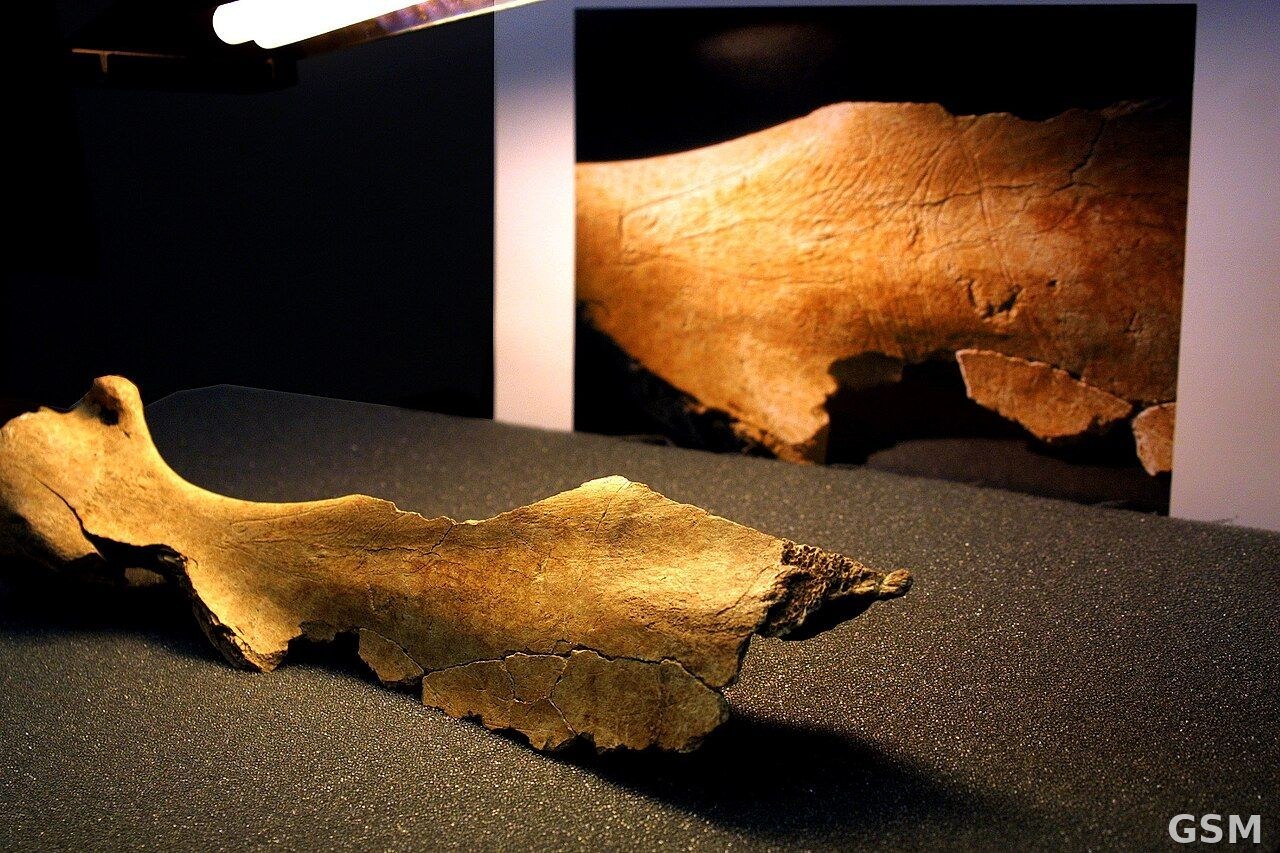
El Mirón 洞穴位于 Ramales de la Victoria 一带,是伊比利亚半岛重要的旧石器时代遗址,此前已出土刻有鹿首纹饰的骨器等文物。
Nuclear DNA From 22,000-Year-Old Humans Recovered From El Mirón Cave Sediment in Spain, With No Bones, in Science Advances Study
A study published in Science Advances reports that a team led by Pere Gelabert of the University of Vienna recovered nuclear human DNA directly from the sediment of El Mirón Cave in Cantabria, northern Spain, from people who lived about 22,000 years ago, without any skeletal remains at all.
The DNA came from layers dating to the coldest part of the last Ice Age, around the Last Glacial Maximum. The team said the sediment preserved genetic information from people who used the cave, opening sites without bones to ancient DNA research.
El Mirón Cave, near Ramales de la Victoria, is a major Paleolithic site in Iberia and has previously yielded artifacts including bone pieces engraved with the silhouette of a hind's head.
来源:《科学进展》
发布:GSM·美国(发布链接)
图片来源:图:El Mirón 洞穴发掘出土的刻有雌鹿头部轮廓的肩胛骨,该洞穴位于西班牙 Cantabria,本次沉积物 DNA 即取自此洞。来源:Jesús Munguía / Gobierno de Cantabria,Wikimedia Commons,CC BY 3.0。 / Photo: A scapula engraved with the outline of a hind head, excavated at El Mirón Cave in Cantabria, Spain, where the sediment DNA was recovered. Source: Jesús Munguía / Gobierno de Cantabria, Wikimedia Commons, CC BY 3.0.
GSM Global · 本篇英文版 English edition of this story