CRISPR/Cas13a 双通道检测区分 SARS-CoV-2 与近缘病毒 检测限 15 至 150 飞摩尔
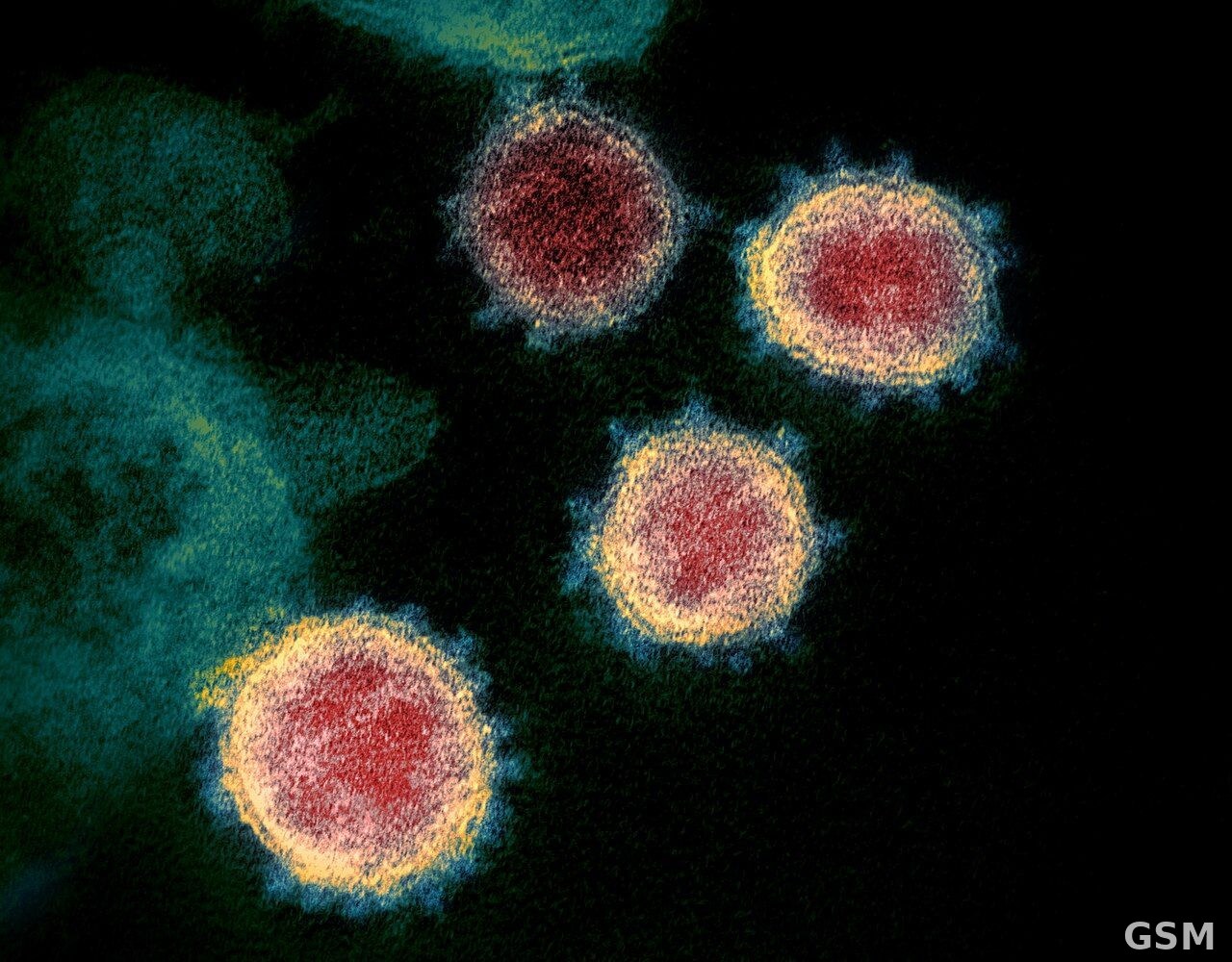
一项 11 月 14 日发表于《科学报告》的研究提出一种基于 CRISPR/Cas13a 的双通道检测方法,用于在合成 RNA 靶标上区分 SARS-CoV-2 与其近缘的沙贝科病毒。研究作者为 Leski、Dean、Johnson、Green、Díaz 与 Stenger 等人。
研究人员构建了涵盖 12 种人畜共患沙贝科病毒的检测面板,把检测结果分为三类:SARS-CoV-2、其最近邻 BANAL-236、以及其余近邻病毒。向导 RNA 的设计采用两阶段机器学习优化,先以 RuleFit 初筛,再用 382 个体外数据点重新训练模型,并把错配排除阈值由 4 提高到 6。
在合成 RNA 靶标实验中,该检测的分析检测限为 15 至 150 飞摩尔。作者表示,该研究在合成靶标上验证了 Cas13a 检测区分近缘病毒的能力。
CRISPR/Cas13a Assay Distinguishes SARS-CoV-2 From Related Sarbecoviruses, With Detection Limits of 15 to 150 Femtomolar
A study published November 14 in Scientific Reports presents a dual-channel CRISPR/Cas13a assay designed to distinguish SARS-CoV-2 from related sarbecoviruses using synthetic RNA targets. The authors are Leski, Dean, Johnson, Green, Díaz, Stenger, and colleagues.
The researchers built a panel covering 12 zoonotic sarbecoviruses and sorted results into three classes: SARS-CoV-2, its nearest neighbor BANAL-236, and the remaining near neighbors. Guide RNA design used a two-stage machine learning optimization, screening first with RuleFit and then retraining on 382 in vitro data points, with the mismatch exclusion threshold raised from 4 to 6.
In experiments on synthetic RNA targets, the assay's analytical detection limit ranged from 15 to 150 femtomolar. The authors state that the work demonstrates, on synthetic targets, the ability of a Cas13a assay to discriminate among closely related viruses.
来源:《科学报告》
发布:GSM·美国(发布链接)
图片来源:图:SARS-CoV-2 病毒颗粒从实验室培养的细胞表面释出的透射电子显微镜图像。来源:NIAID-RML,Wikimedia Commons,CC BY 2.0。 / Photo: Transmission electron microscope image of SARS-CoV-2 virus particles emerging from a lab-cultured cell. Source: NIAID-RML, Wikimedia Commons, CC BY 2.0.
GSM Global · 本篇英文版 English edition of this story