韩国14个月检疫数据:活体爬行动物进口164139只、非公约物种占73.8%
一项11月14日发表于《科学报告》的研究分析了韩国14个月的全国爬行动物检疫数据,共164139只活体爬行动物,并把贸易记录与全球新发传染病环境风险指数结合评估。
来源结构上,美国与中国合计占进口总量的52.8%。但按总量与《濒危野生动植物种国际贸易公约》所列物种进口量计,前十大出口国多数是东南亚与非洲的生物多样性热点国家,这些国家是非圈养来源个体的主要出口方:马达加斯加与多哥的公约所列物种出口中,非圈养来源占100%,印度尼西亚占87.0%。
研究还发现,在主要出口国中,新发传染病风险指数与非圈养来源比例呈显著正相关,相关系数为0.66,p 值为0.038,显示病原风险较高的地区更依赖采掘式获取。
监管盲区方面,非公约类别占进口总量的73.8%,其中包括15种被世界自然保护联盟列为受威胁的物种。此外,73.2%的进口物种只从单一国家获取,显示特定野生种群承受集中获取压力。
研究由韩国 National Institute of Wildlife Disease Control and Prevention 的 Wildlife Quarantine Center 团队完成,获该机构 NIWDC-2025-RP-01 项目资助。作者表示,结果为按风险优先监测高风险贸易路线提供了实证依据,并提示有必要建立全球数据共享框架。
South Korea Quarantine Data Cover 164,139 Imported Live Reptiles in 14 Months, With Non-CITES Animals at 73.8%
A study published November 14 in Scientific Reports analysed 14 months of national reptile quarantine data from South Korea, covering 164,139 individual live reptiles, and integrated the trade records with a global environmental risk index for emerging infectious diseases.
The United States and China accounted for 52.8 percent of total import volume. However, the majority of the top 10 exporting countries, both by total and by CITES-listed import volume, were biodiversity hotspot nations in Southeast Asia and Africa, and these nations were the primary exporters of non-captive individuals, comprising 100 percent of CITES-listed exports from Madagascar and Togo and 87.0 percent from Indonesia.
Among major exporters, the study found a statistically significant positive correlation between emerging infectious disease risk index values and non-captive sourcing, with a correlation coefficient of 0.66 and a p value of 0.038, indicating that high-pathogen-risk regions tend to rely on extractive harvesting.
The non-CITES category comprised 73.8 percent of total imports and included 15 IUCN-threatened species. In addition, 73.2 percent of imported species were sourced exclusively from a single country, indicating concentrated harvesting pressure on specific wild populations.
The study was conducted by the Wildlife Quarantine Center of South Korea's National Institute of Wildlife Disease Control and Prevention and funded by the institute under project NIWDC-2025-RP-01. The authors say the findings provide an empirical basis for risk-prioritized monitoring of high-risk trade routes and underscore the need for global data-sharing frameworks.
来源:Scientific Reports
发布:GSM·美国(发布链接)
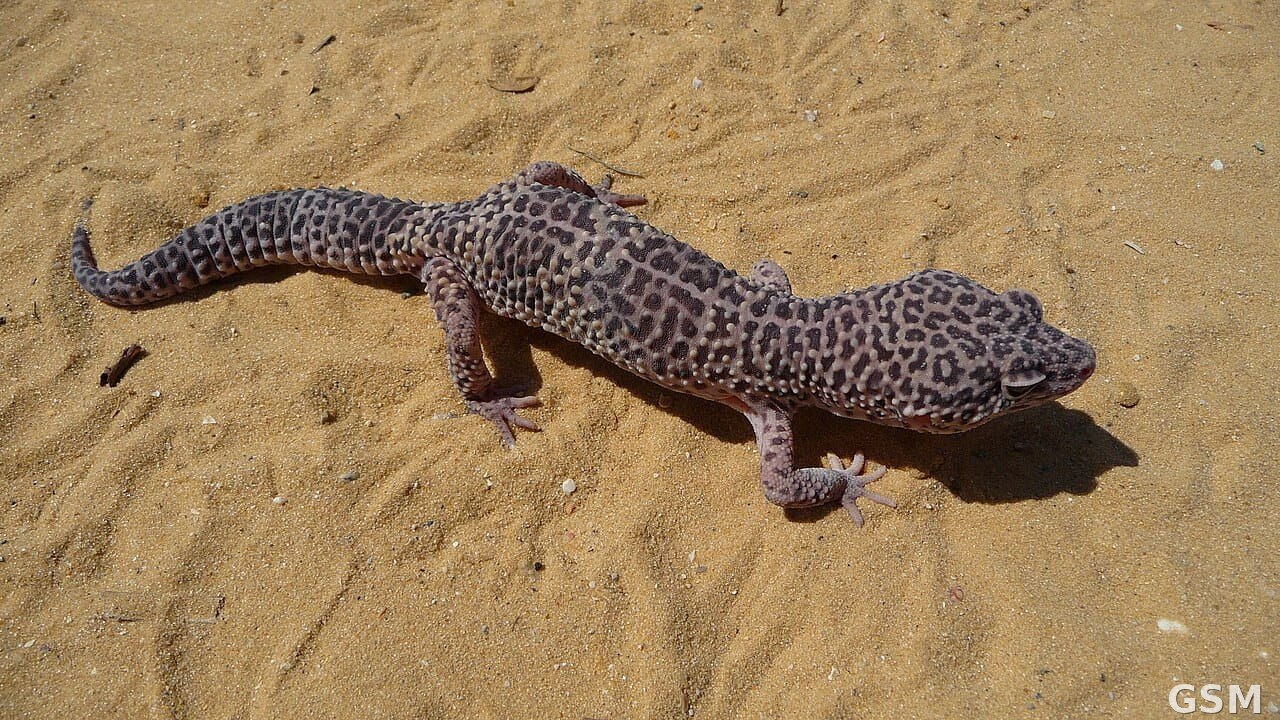
图片来源:图:一只豹纹守宫,宠物贸易中常见的进口爬行动物。来源:George Chernilevsky,Wikimedia Commons,公共领域。 / Photo: A leopard gecko, a commonly traded imported reptile. Source: George Chernilevsky, Wikimedia Commons, public domain.
GSM Global · 本篇英文版 English edition of this story