CPT诉讼听证后暂无裁决:国土安全部称8月指引只是澄清现行规定,学校可继续批准实习
围绕留学生课程实习(CPT)的诉讼在波士顿联邦法院开庭听证后,法官尚未作出裁决。美国国土安全部在听证前提交的答辩状中说,学生与交流访问学者项目(SEVP)今年 8 月发出的两份指引「只是澄清」现行规定、并不是新规则,学校「可以继续批准 CPT」。
这起诉讼由美国大学协会、美国国际教育工作者协会、高等教育与移民校长联盟与马萨诸塞州独立学院与大学协会于 10 月 5 日提起,案号 1:26-cv-14520,承办法官为朱莉娅·科比克。诉讼针对 SEVP 在 8 月 12 日与 8 月 24 日发出的两份广播消息(BCM 2608-01、2608-02),指引要求:只有当实习为「该项目每一名学生都必须完成」的内容时,才符合课程实习条件。按这一解读,选修的、计入学分的实习不再符合 CPT 条件,尽管相关法规 8 C.F.R. 214.2(f)(10)(i) 本身并未修改。诉状称,指引还警告,不合规的授权可能让学校丢掉 SEVP 认证资格。
四家原告团体要求法院依据《行政程序法》第 705 条暂缓执行这两份指引,理由是:指引推翻了数十年的做法、具有追溯效力,且未经公告与征求意见程序就出台,构成新规则。国土安全部在 10 月 28 日提交的答辩状中首先以「原告资格」抗辩:两份指引都带有声明,称消息本身「不是规则,也不是 SEVP 的最终行动」;既然没有改变法律规则,就不受《行政程序法》司法审查。实体上,国土安全部称,指引只是重申了「既定课程不可分割的一部分」这一法定要求,是澄清而非立场改变。
但法庭上的说法与校园里的现实之间存在落差。诉状称,已有十余所成员大学收紧了 CPT 审批,原因是校方把认证警告理解为具有约束力。国土安全部的回应是:那是学校自己的选择。如果法院接受这一说法,效果可能是双向的:政府可以避开司法审查,但「指引不约束任何人」的认定也会让学校官员有空间恢复批准选修 CPT,直到国土安全部通过正式规则制定或执法行动来明确立场。
这场诉讼直接关系到大批留学生的实习安排。美国移民与海关执法局《2024 年 SEVIS 数据报告》显示,2024 年全年共有 130,586 名 F-1 与 M-1 学生获得 CPT 授权,在 1,582,808 条在读学生记录中占比略高于 8%。春季与夏季的实习 placement 眼下正在安排,不少学校在明确政府的新解读是否成立之前,已经停止批准选修的计入学分实习。常见的替代方案是毕业前选择性实习(pre-completion OPT),但这需要向移民局申请工作许可,还会消耗毕业后 12 个月的 OPT 额度;而 OPT 项目本身也面临压力,国土安全部已提议向学校收取 7 万美元的首份 OPT 授权费用。
需要区分的是,此案与另一宗固定期限规则案不同:后者案号 1:26-cv-13799,挑战的是国土安全部以固定停留期取代「身份有效期」(D/S)制度的最终规则,已于 9 月 14 日被同一法院初步叫停、全国暂停执行。CPT 案的指引与该规则相互独立,仍在生效。
接下来看科比克法官对临时救济的裁决。如果法院批准暂缓,8 月之前的做法将在诉讼期间全国恢复;败诉一方可向第一巡回上诉法院寻求复审。如果法院以最终性或原告资格为由支持政府,指引将继续有效,但其解读是否正确的问题并未了结,日后国土安全部一旦对学校或学生采取行动,这个问题还会再回来。
No Ruling Yet in CPT Lawsuit: DHS Says August Guidance Merely Clarifies Existing Rules and Schools May Keep Approving Training
A federal judge in Boston has not yet ruled after hearing arguments in the lawsuit over Curricular Practical Training (CPT) for international students. In a brief filed before the hearing, the Department of Homeland Security said the two August messages from the Student and Exchange Visitor Program (SEVP) "merely clarify" existing requirements and are not a new rule — and that schools "can continue to authorize CPT."
The case, *Association of American Universities v. U.S. Department of Homeland Security*, No. 1:26-cv-14520 (D. Mass.), was filed on October 5 by the Association of American Universities, NAFSA: Association of International Educators, the Presidents' Alliance on Higher Education and Immigration, and the Association of Independent Colleges and Universities in Massachusetts. It is before Judge Julia E. Kobick. The suit targets Broadcast Messages 2608-01 (August 12) and 2608-02 (August 24), which told designated school officials that CPT is available only when the training is required of every student in the program. Under that reading, an elective internship taken for academic credit no longer qualifies, even though the regulation, 8 C.F.R. 214.2(f)(10)(i), has not changed. The complaint says the messages warned that noncompliant authorizations could cost a school its SEVP certification.
The four groups want the broadcasts stayed under 5 U.S.C. 705, arguing they reverse decades of practice, apply retroactively, and are a new rule issued without notice and comment. In its opposition brief filed October 28, the Department of Homeland Security led with standing: both broadcasts carry a disclaimer that the message is not "itself a rule or a final action by SEVP," and guidance that does not alter the legal regime cannot be challenged under the Administrative Procedure Act. On the merits, the department said the messages restate what "integral part of an established curriculum" already required and are a clarification, not a change in position.
But there is a gap between what the government says in court and what schools are doing on campus. The complaint says more than a dozen member universities have already narrowed CPT approvals because officials read the certification warning as binding. The department's answer is that those were the schools' own choices. If the court accepts that framing, the effect could cut both ways: the government would avoid review, but a finding that the broadcasts bind no one would give school officials room to resume approving elective CPT until the department acts through rulemaking or enforcement.
The litigation bears directly on internship plans for large numbers of international students. ICE's 2024 SEVIS by the Numbers report counted 130,586 F-1 and M-1 students with CPT authorizations in calendar year 2024, against 1,582,808 active student records, a little over 8 percent. Spring and summer placements are being arranged now, and many schools have stopped approving elective, for-credit internships until they know whether the government's new reading will hold. Pre-completion Optional Practical Training is the usual fallback, but it requires an employment authorization document from U.S. Citizenship and Immigration Services and draws down the 12 months available after graduation — and that program faces its own pressure from the department's proposal to charge schools $70,000 for a first OPT authorization.
This case is distinct from a separate lawsuit over the fixed-period admission rule, No. 1:26-cv-13799, which challenges the department's final rule replacing the "duration of status" framework. That rule was preliminarily blocked nationwide on September 14. The CPT guidance is independent of that rule and remains in effect.
Judge Kobick's ruling on preliminary relief comes next. A stay would restore the pre-August practice nationwide while the case proceeds, and the losing side could seek review in the First Circuit. A ruling for the government on finality or standing would leave the broadcasts in place but would not settle whether their reading of the regulation is correct — a question that would likely return the first time SEVP acts against a school or a student.
来源:Immigration Analytics
发布:GSM·美国(发布链接)
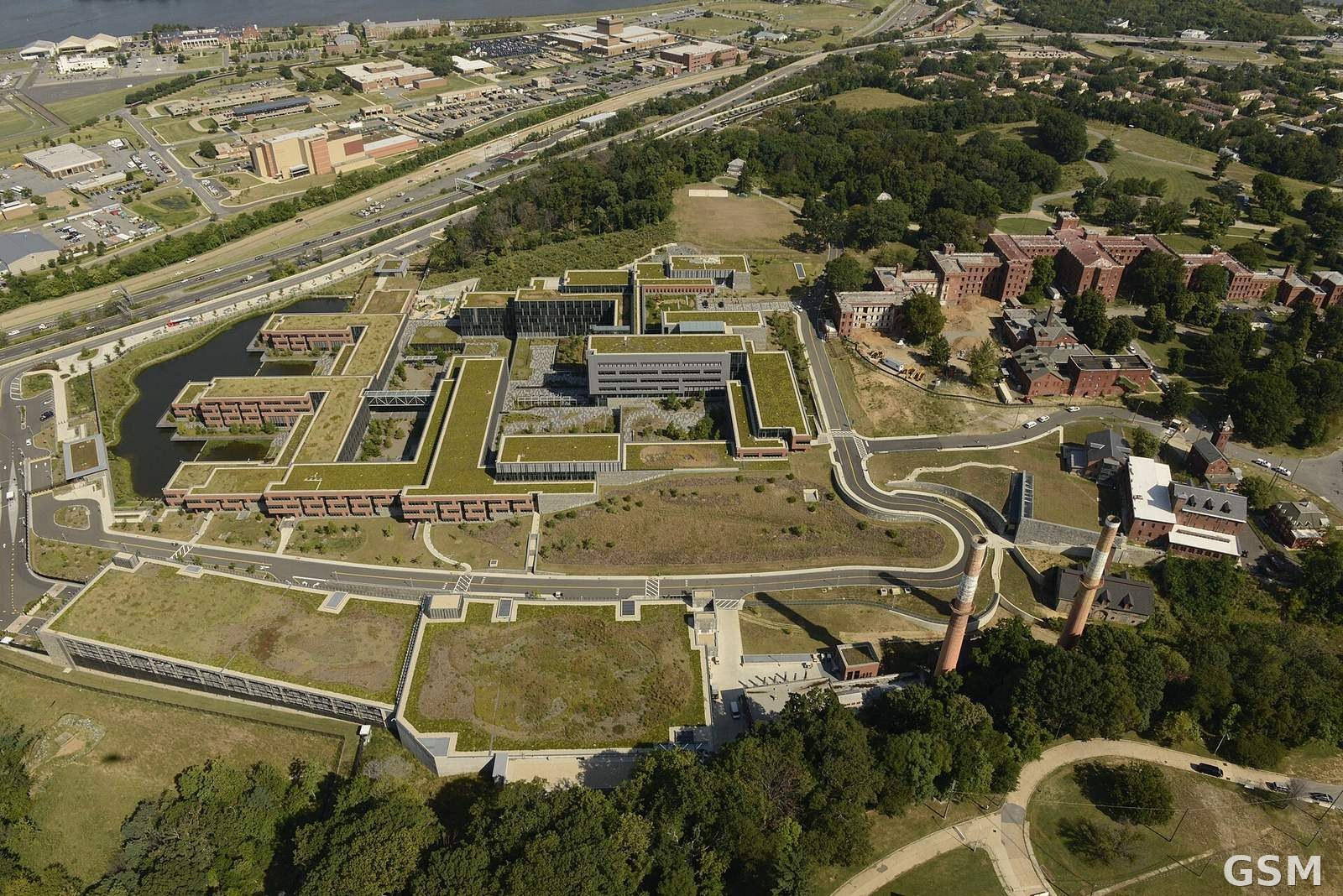
图片来源:图:美国国土安全部总部大楼(GSM 固定图库)。U.S. Department of Homeland Security headquarters. (GSM asset library)
GSM Global · 本篇英文版 English edition of this story