《Scientific Reports》11月16日论文:韩国2329名儿童海鲜摄入每翻倍尿总汞约高13.2%,尿检不能替代单个儿童的血汞
韩国顺天乡大学与忠北大学团队在《Scientific Reports》发表论文,11月16日刊出。研究用韩国国家环境健康调查(KoNEHS)第五周期(2021至2023年)的三个概率样本,分别为648名学龄前儿童、780名学龄儿童与901名青少年,合计2329人,检验一个长期未决的问题:尿液里能不能测出儿童吃海鲜带来的汞暴露信号,因为国家级项目很少对低龄儿童抽血。
团队用调查加权的对数线性模型分析习惯性海鲜摄入与即时尿样的关系。动物性海鲜摄入每翻倍,三个样本经肌酐校正的尿总汞分别高13.5%、11.8%与15.0%,合并估计为高13.2%(95%置信区间11.0至15.5),未检出组间异质性。作为内部阴性对照的海藻摄入没有显示正相关。
在812名青少年中,尿液与血液的饮食斜率没有可检出的差异(比值0.99,区间0.72至1.28),类别分布也相近;但在872名有配对样本的个体层面,尿与血的一致性只属中等(加权 Spearman 相关系数0.50,κ系数0.33),且校正血总汞后尿的饮食斜率减半。
作者据此表示,即时尿总汞可以在人群尺度上追踪与海鲜相关的汞暴露,但因为没有做汞形态分析,这份信号无法区分为甲基汞还是无机汞,更不能替代对单个儿童的血汞测量。本文只报道研究结果,不构成对任何家庭饮食的建议。
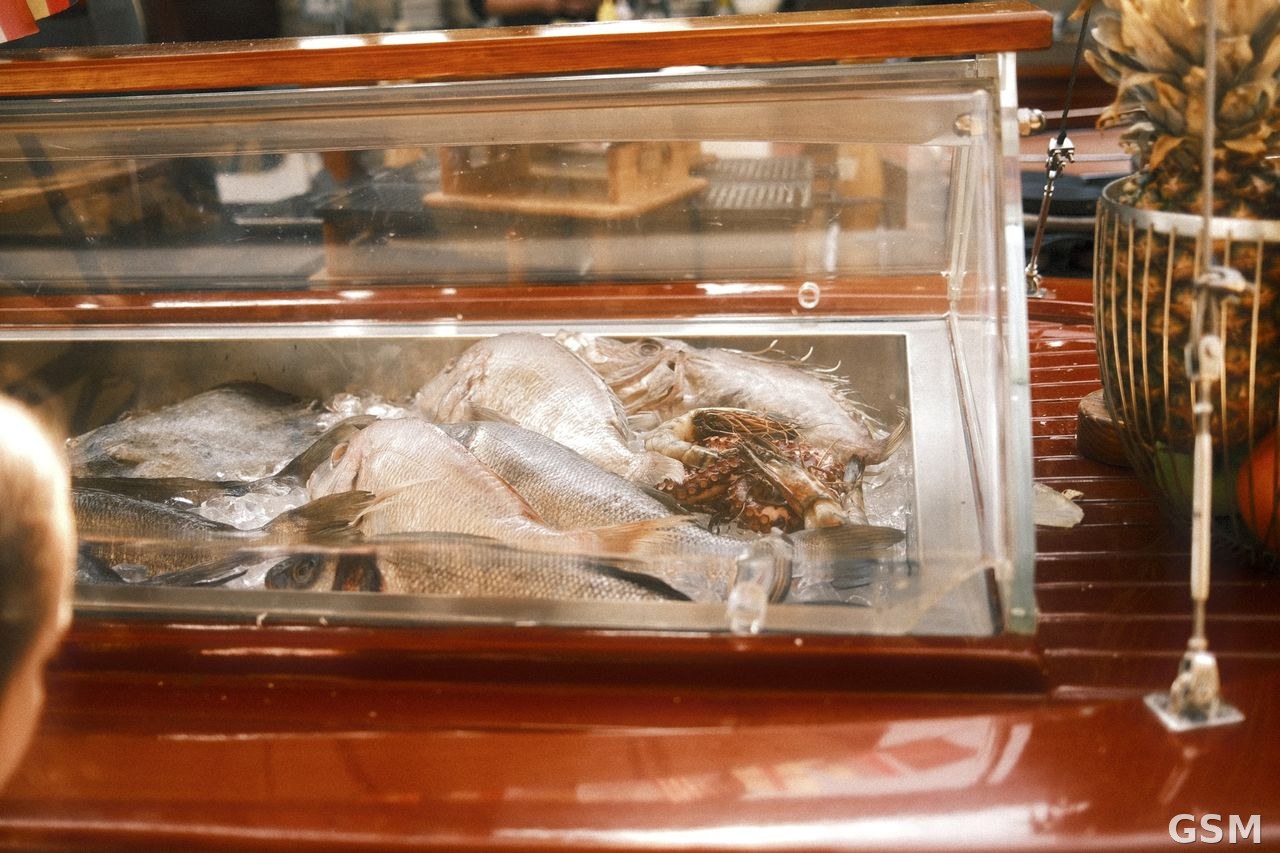
图中是市场上冰鲜陈列的多种鲜鱼,这次研究测量的正是儿童日常吃下的这类海鲜与体内汞暴露之间的关系。
Scientific Reports Paper, November 16: in 2,329 Korean Children, Each Doubling of Seafood Intake Was Linked to About 13.2 Percent Higher Urinary Total Mercury, and Urine Cannot Stand in for Blood Mercury in an Individual Child
A team from Soonchunhyang University and Chungbuk National University in South Korea has published a paper in Scientific Reports on November 16. Using three probability samples from Cycle 5 (2021-2023) of the Korean National Environmental Health Survey (KoNEHS) — 648 preschoolers, 780 schoolchildren and 901 adolescents, 2,329 children in total — the study addressed an unresolved question: whether urine carries a measurable seafood signal for mercury exposure in children, since national programs rarely draw blood from young children.
Fitting survey-weighted log-linear models of habitual seafood intake against spot urine, the team found that each doubling of animal seafood intake was associated with 13.5 percent, 11.8 percent and 15.0 percent higher creatinine-corrected total mercury in the three samples, pooling to 13.2 percent (95% CI, 11.0 to 15.5) with no detectable heterogeneity. Seaweed, used as an internal negative control, showed no positive association.
In 812 adolescents, dietary slopes did not differ detectably between urine and blood (ratio 0.99; 0.72 to 1.28) and category profiles were similar. At the individual level, however, agreement within 872 paired participants stayed moderate (weighted Spearman ρ = 0.50, κ = 0.33), and adjusting for blood total mercury halved the urinary dietary slope.
The authors conclude that spot urinary total mercury tracks seafood-related mercury exposure at population scale, but that without speciation the signal cannot be assigned to methylmercury or inorganic mercury, and urine cannot stand in for blood mercury in one child. This report presents the study findings only and offers no dietary advice to any family.
发布:GSM·美国(发布链接)
图片来源:Wikimedia Commons, File:Fresh fish display at a local market undefined.jpg — Author: Shixart1985. Licensing: CC BY 2.0.
GSM Global · 本篇英文版 English edition of this story