CDC资助研究11月13日预印本:尼塞韦单抗对8至23月龄高危幼儿RSV住院有效性78.1%,纳入24州26家医院231名儿童
由美国疾病控制和预防中心(CDC)资助、Overcoming RSV Network 开展的一项真实世界研究11月13日以预印本形式发布在 medRxiv,第一作者为 CDC 的 Regina M. Simeone 与波士顿儿童医院的 Margaret M. Newhams 等。研究评估长效单克隆抗体尼塞韦单抗对有资格在第二个呼吸道合胞病毒(RSV)季接种的高危幼儿预防 RSV 相关住院的有效性。
研究采用检测阴性设计的回顾性病例对照方法,覆盖2024至2025与2025至2026两个 RSV 季,在全美24个州的26家医院纳入8至23月龄、因呼吸道症状住院且符合尼塞韦单抗接种资格的儿童,其中病例组106人(RSV 检测阳性)、对照组125人(RSV 检测阴性),两组中因早产儿慢性肺病符合资格者分别占84.0%与69.6%。病例组中接种过尼塞韦单抗者占19.8%,对照组占42.4%。
经年龄、住院月份与年份、人口普查区域与性别校正后,尼塞韦单抗对 RSV 相关住院的总体有效性为78.1%(95%置信区间55.2%至89.3%);从接种到症状出现的中位间隔为66.5天(四分位距30至96天)。若在症状出现前8至59天内接种,估计有效性更高,为88.5%(95%置信区间63.4%至96.4%)。
作者表示,这是针对第二个 RSV 季高危幼儿的真实世界有效性估计,数据支持现行对该人群使用尼塞韦单抗预防重症 RSV 的推荐。需要说明的是,该文目前为未经同行评审的预印本,样本量有限,结果可能随正式发表而修订;是否接种请以儿科医生与 CDC 现行推荐为准,本文只报道研究数据本身。
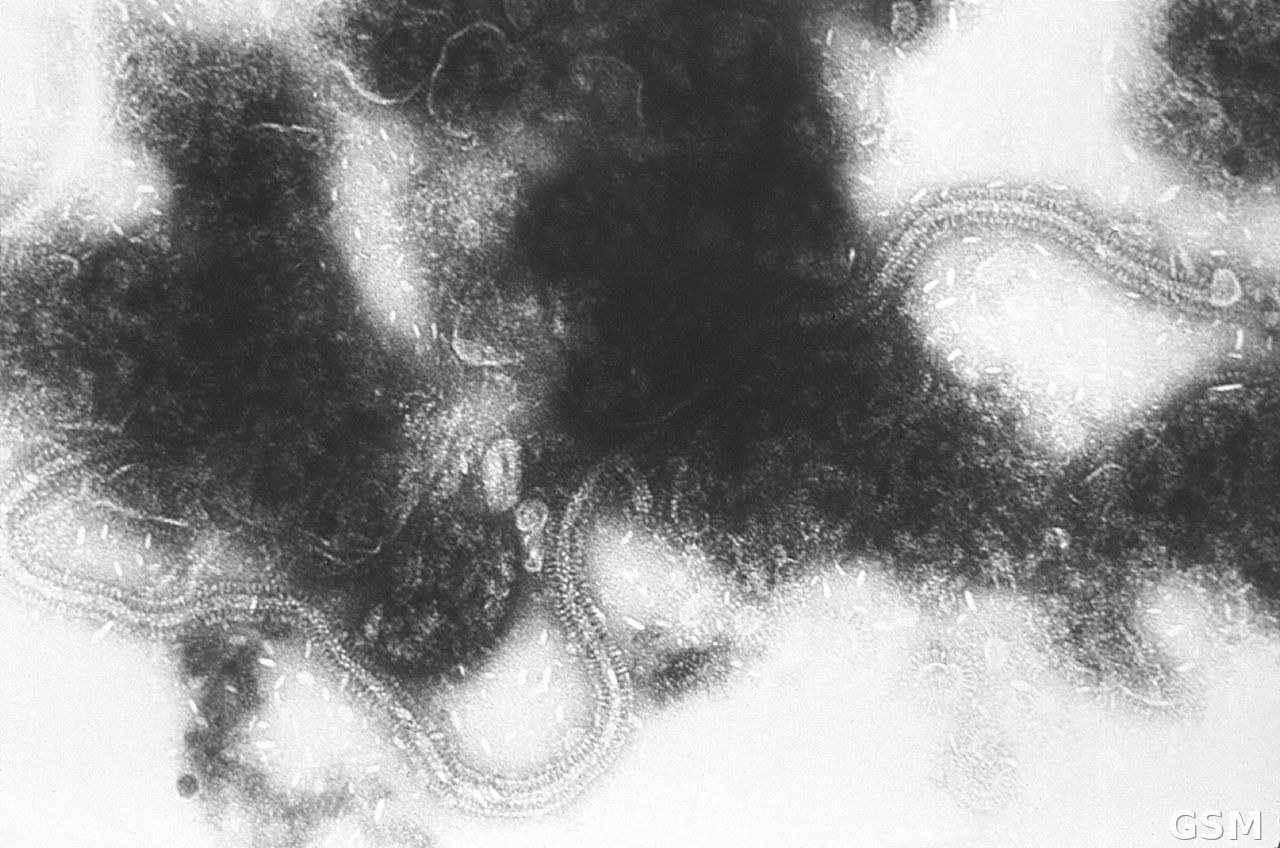
图中是呼吸道合胞病毒的电子显微图,本研究评估的抗体药物针对的正是这种在幼儿中常见的呼吸道病毒。
CDC-Funded Preprint, November 13: Nirsevimab Was 78.1 Percent Effective Against RSV Hospitalization in High-Risk Children Aged 8 to 23 Months, in 231 Children at 26 Hospitals in 24 States
A real-world study funded by the U.S. Centers for Disease Control and Prevention (CDC) and conducted by the Overcoming RSV Network was posted as a preprint on medRxiv on November 13, led by Regina M. Simeone of the CDC and Margaret M. Newhams of Boston Children's Hospital, among others. It evaluated the effectiveness of nirsevimab, a long-acting monoclonal antibody, against RSV-associated hospitalization in high-risk young children eligible to receive it during their second respiratory syncytial virus (RSV) season.
The retrospective, test-negative case-control study covered the 2024-2025 and 2025-2026 RSV seasons at 26 hospitals in 24 U.S. states. It enrolled children aged 8 to 23 months who were hospitalized with respiratory symptoms and were eligible for second-season nirsevimab: 106 case-patients who tested positive for RSV and 125 control-patients who tested negative. Chronic lung disease of prematurity was the eligibility basis for 84.0 percent of case-patients and 69.6 percent of controls, and 19.8 percent of case-patients versus 42.4 percent of controls had received nirsevimab.
After adjustment for age, month and year of hospitalization, census region and sex, overall effectiveness against RSV-associated hospitalization was 78.1 percent (95% CI, 55.2 to 89.3). The median interval from nirsevimab receipt to symptom onset was 66.5 days (interquartile range, 30 to 96 days), and effectiveness was estimated to be higher, at 88.5 percent (95% CI, 63.4 to 96.4), when nirsevimab had been received 8 to 59 days before symptom onset.
The authors say the analysis provides real-world estimates of substantial effectiveness in this high-risk population and supports existing recommendations for nirsevimab as a preventive strategy in the second RSV season. The paper is a preprint that has not yet completed peer review, the sample is modest, and figures may change on formal publication; immunization decisions should follow pediatric clinicians and current CDC recommendations, and this report presents the study data only.
发布:GSM·美国(发布链接)
图片来源:Wikimedia Commons, File:Respiratory syncytial virus 01.jpg — Content Providers(s): CDC/ Dr. Erskine Palmer; from the CDC Public Health Image Library (PHIL), identification number 276. Licensing: Public domain.
GSM Global · 本篇英文版 English edition of this story