墨西哥 Chalcatzingo 洞穴红色符号研究发表:公元4至6世纪特奥蒂瓦坎文字,7.4平方米岩棚藏武士仪式记录
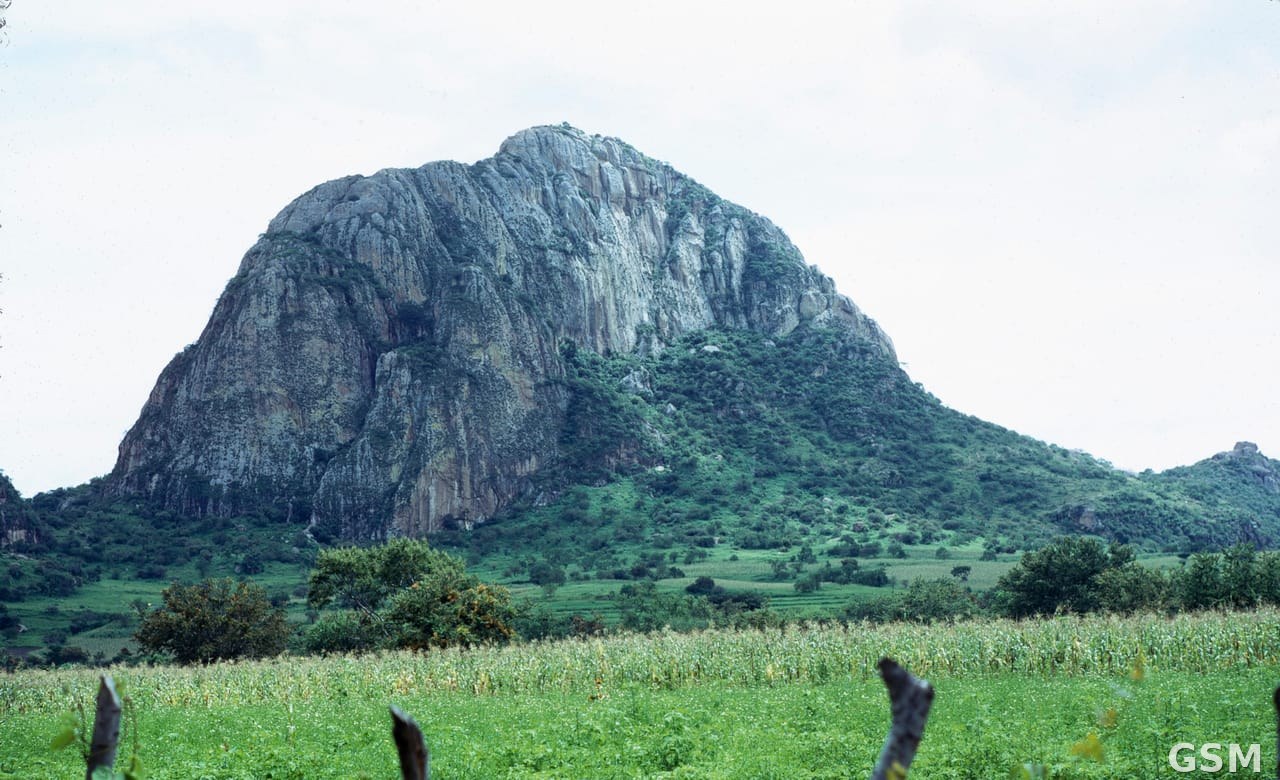
一项发表于学术期刊《Antiquity》的研究解读了墨西哥中部 Chalcatzingo 遗址一处悬崖洞穴内的古代红色绘画符号。研究由哥本哈根大学与墨西哥国家人类学与历史研究所(INAH)的研究者 Christophe Helmke、Jesper Nielsen、Carolina Meza Rodríguez 与 Mario Córdova Tello 完成。
符号位于 Cerro Delgado 西坡一处面积仅7.4平方米的小型岩棚,即19号洞穴的后壁上,共识别出三个绘制的符号组合。研究者运用数字摄影增强技术显现已褪色的赤铁矿颜料,判定这些符号属于古代特奥蒂瓦坎文字系统,年代为公元4至6世纪。
Chalcatzingo 位于墨西哥城东南约90公里处,以其更早时期的奥尔梅克风格纪念性艺术闻名。研究认为,这座山在近千年后仍是重要圣地,来自大都会特奥蒂瓦坎的朝圣者曾使用该洞穴举行纪念阵亡武士的火焰仪式。
研究者指出,19号洞穴的发现为特奥蒂瓦坎人使用一套可运作的表意兼音节文字系统这一认识提供了新证据。
Study of Red Glyphs in Mexican Cave at Chalcatzingo Published: Teotihuacan Signs From the 4th to 6th Centuries AD in a 7.4-Square-Metre Rock Shelter
A study published in the journal Antiquity examines ancient red paintings inside a cliffside cave at the archaeological site of Chalcatzingo in central Mexico. The research was carried out by Christophe Helmke, Jesper Nielsen, Carolina Meza Rodríguez and Mario Córdova Tello, from the University of Copenhagen and Mexico's National Institute of Anthropology and History (INAH).
Using advanced digital photographic enhancements to bring out the faded hematite pigment, the researchers determined that the symbols belong to the ancient Teotihuacan writing system and date to between the fourth and sixth centuries AD. They identified three distinct glyphic compounds painted along the back wall of the tiny, 7.4-square-metre shelter, known as Cave 19, on the western face of Cerro Delgado.
Chalcatzingo is located roughly 90 kilometres southeast of Mexico City and is known for its earlier Olmec-style monumental art. The study found that the mountain remained a potent sacred site nearly a millennium later, and that pilgrims from the metropolis of Teotihuacan used the cavern for fiery rituals honouring fallen warriors.
The findings add evidence to a growing consensus that Teotihuacanos used a functioning logo-phonetic script.
发布:GSM·美国(发布链接)
图片来源:HJPD, CC BY 3.0, via Wikimedia Commons
GSM Global · 本篇英文版 English edition of this story