UCSF 新型 CAR-T 细胞进入大脑才启动,在小鼠体内清除致命儿童脑瘤
美国加利福尼亚州旧金山市的加州大学旧金山分校(UCSF)研究团队开发出一种新型 CAR-T 细胞疗法 B-SYNC:改造后的免疫细胞在体内保持休眠,只在进入大脑后才启动攻击,在小鼠实验中清除了弥漫性中线胶质瘤(DMG)这种致命的儿童脑瘤。研究10月28日发表在《科学转化医学》期刊上。
弥漫性中线胶质瘤会渗入脑干,而脑干控制呼吸、心跳与吞咽等基本功能,患儿确诊后大多在一年内去世,至今几乎没有有效疗法。普通 CAR-T 细胞此前在这类肿瘤上没有成功。
B-SYNC 的关键是一个感应大脑蛋白 brevican 的分子开关。研究团队先给植入人类肿瘤细胞的小鼠静脉注射 B-SYNC 细胞,之后改为直接注入脑室,在两个人类肿瘤模型中,每一只受试小鼠的肿瘤都被清除,而普通 CAR-T 细胞未能控制肿瘤。
更长效的证据来自二次挑战:近七周后,研究人员给已经治好的小鼠再次植入肿瘤细胞,每一只都成功排斥了新肿瘤,说明这批细胞在70多天后仍保持功能。
这项研究由 UCSF 神经外科教授 Hideho Okada 与细胞和分子药理学教授 Wendell Lim 共同带领,第一作者是博士后研究员 Senthilnath Lakshmanachetty。团队正在筹备在 UCSF Health 开展临床试验,最早可能在2027年4月启动,由 Marie Jaeger-Krause 与 Sabine Mueller 两位医生领衔,测试脑室注射与静脉注射的不同组合。研究人员强调,这仍是临床前结果,疗法尚未在人体上验证。
(来源:加州大学旧金山分校)
UCSF CAR-T Cells That Switch On Only in the Brain Clear a Deadly Childhood Tumor in Mice
Researchers at the University of California, San Francisco (UCSF) have engineered a CAR-T cell therapy called B-SYNC that stays dormant as it travels through the body and switches on only after it reaches the brain. In mouse experiments it cleared diffuse midline glioma (DMG), a lethal childhood brain cancer. The study was published October 28 in Science Translational Medicine.
DMG infiltrates the brainstem, which controls breathing, heartbeat and swallowing, and children almost always die within a year of diagnosis. There are almost no effective treatments, and conventional CAR-T cells have failed against this tumor.
B-SYNC's key is a molecular switch that senses brevican, a protein found throughout the brain. The team first gave B-SYNC cells intravenously to mice implanted with human DMG cells, then delivered the cells directly into the brain's ventricles. In two human DMG models, the treatment cleared tumors in every mouse tested, while conventional CAR-T cells again failed to control the cancer.
The therapy also showed staying power. Nearly seven weeks later, the team gave the treated mice a second round of cancer cells, and every mouse rejected the new tumors; the cells remained functional more than 70 days after treatment.
The work was led by UCSF neurological surgery professor Hideho Okada and cellular and molecular pharmacology professor Wendell Lim, with postdoctoral researcher Senthilnath Lakshmanachetty as first author. The team is preparing a clinical trial at UCSF Health that could begin as early as April 2027, led by physicians Marie Jaeger-Krause and Sabine Mueller, testing combinations of ventricular and intravenous delivery. The researchers stress that the results are preclinical and the therapy has not yet been tested in people.
(Source: University of California, San Francisco)
来源:加州大学旧金山分校
发布:GSM·美国(发布链接)
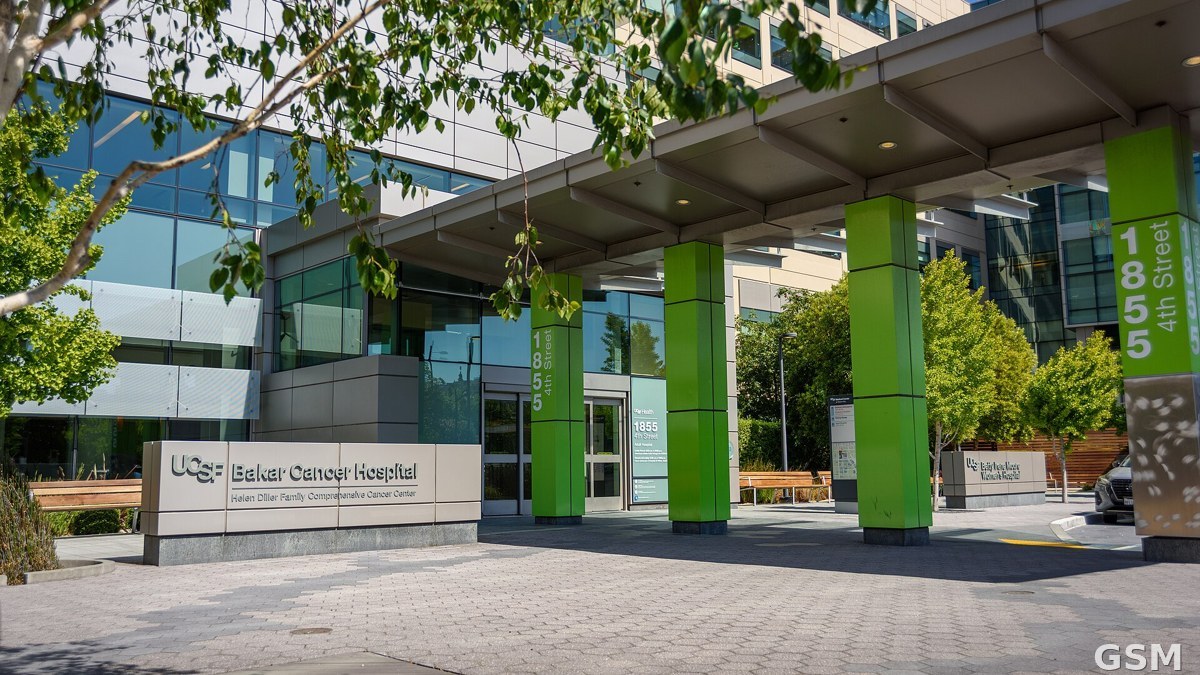
图片来源:图:加州大学旧金山分校的 Bakar 精准癌症医学大楼入口。 / Photo: The entrance of UCSF's Bakar Precision Cancer Medicine Building. (Wikimedia Commons, CC BY 4.0)
GSM Global · 本篇英文版 English edition of this story