国家海洋和大气管理局新研究:五类指标预示加州Chinook三文鱼挑战上升,商业捕捞关闭三年后今年恢复
美国国家海洋和大气管理局(NOAA)渔业局11月13日发布新研究:影响加州 Chinook 三文鱼幼鱼的压力因素,包括淡水水温偏高与溪流量偏低,与成鱼洄游量减少直接相关。低洄游量曾使加州商业三文鱼捕捞关闭三年,今年才恢复捕捞;研究刊于《加拿大渔业与水生科学杂志》(Canadian Journal of Fisheries and Aquatic Sciences)。
研究源于 NOAA 渔业局两个西海岸实验室的年度生态系统状况报告。科学家为三个加州三文鱼种群寻找最能预测其成败的生物与物理指标:Sacramento River 秋季 Chinook、Central Valley 春季 Chinook 与 Klamath River 秋季 Chinook。两个秋季种群是加州与俄勒冈州近海 Chinook 渔业的主力。
与种群成败关联最强的指标包括:Central Valley 春季与 Sacramento River 秋季 Chinook 的自然产卵数量;Central Valley 春季 Chinook 孵化期水温与三个种群幼鱼入海迁徙期水温;Sacramento River 幼鱼顺流而下时合适的河流量;可供 Sacramento River 秋季 Chinook 躲避海洋捕食者的替代猎物(如幼岩鱼)的丰度;以及北太平洋环流振荡的相位,该气候形态驱动富含营养的海水上涌,惠及 Central Valley 春季与 Klamath River 秋季 Chinook。
研究指出,过去二十年里,自然产卵者减少、河流水温升高、干旱、北太平洋环流振荡长期负相位与海洋捕食压力增加同时出现,三文鱼补充量随之下降,即存活下来加入成鱼种群的幼鱼变少。冷凉的河流条件近年变得格外重要,因为冷水日益稀缺;研究认为,条件恶化或可解释为何处于该物种分布南缘的加州 Chinook 比西北部较凉地区同类处境更差。
种群现状方面,Klamath River 秋季 Chinook 在2017至2024洄游年被认定为过度捕捞,2025年起已不再属过度捕捞、但仍在重建;Central Valley 春季 Chinook 被列为《濒危物种法》下的受威胁物种。
渔业社区受到的冲击具体可见:1984年有超过2,500艘船在加州近海捕三文鱼,而最近一个完整捕捞年2022年只有470艘参与。加州三文鱼船队在 Sacramento River 与 Klamath River 秋季 Chinook 渔业2023年与2024年两次灾害认定后,每次都获得超过2,000万美元联邦紧急救济。
NOAA 渔业局区域主管 Jennifer Quan 表示,仍有可以调节的手段让更多鱼回到渔场、改善捕捞机会。研究第一作者、NOAA 渔业局西北渔业科学中心渔业生物学家 Stuart Munsch 说,近两个世纪人类对栖息地与三文鱼遗传的改造,与这些压力因素的负面影响相互放大。研究人员强调,应持续追踪这些指标、留意新的表现指标,以改善渔季与捕捞量的预测。
(来源:美国国家海洋和大气管理局)
New NOAA Indicators Anticipate Rising Challenges for California Chinook Salmon: Commercial Fishing Resumed This Year After a Three-Year Closure
NOAA Fisheries released new research on Nov. 13 linking the stressors affecting juvenile California Chinook salmon, including warm freshwater temperatures and low streamflows, to reduced adult salmon returns. Low returns closed commercial California salmon fishing for three years, and fishing resumed this year. The study was published in the Canadian Journal of Fisheries and Aquatic Sciences.
The research grew out of annual Ecosystem Status Reports from NOAA Fisheries' two West Coast laboratories. Scientists set out to identify the biological and physical indicators that best predict the success of three California salmon stocks: Sacramento River fall Chinook, Central Valley spring Chinook and Klamath River fall Chinook. The two fall Chinook stocks form the backbone of California and Oregon ocean Chinook salmon fisheries.
The indicators with the strongest connections include the number of naturally spawning Central Valley spring and Sacramento River fall Chinook; water temperatures during egg incubation of Central Valley spring Chinook and during migration to the ocean for juveniles of all three stocks; suitable river flows as juvenile salmon in the Sacramento River migrate downriver; the abundance of alternative prey such as juvenile rockfish that buffer Sacramento River fall Chinook from ocean predators; and the phase of the North Pacific Gyre Oscillation, a climate pattern that drives upwelling of nutrient-rich ocean waters.
Over the last two decades, declining natural spawners, increasing river temperatures, droughts, a long negative phase of the North Pacific Gyre Oscillation and increased predation pressure in the ocean have coincided with lower salmon recruitment, meaning fewer young salmon survived to join the adult population, the research found. Cool river conditions have become especially important as cold water has grown scarce.
Klamath River fall Chinook were considered overfished for return years 2017-2024. They were no longer overfished as of 2025 but continue to rebuild, while Central Valley spring Chinook are listed as threatened under the Endangered Species Act.
The toll on fishing communities is concrete: in 1984, more than 2,500 vessels fished for salmon off California, while just 470 participated in the most recent full year of fishing in 2022. The California salmon fleet received more than $20 million in federal emergency relief following each of two disaster determinations for the Sacramento River and Klamath River fall Chinook fisheries in 2023 and 2024.
"There are still dials we can turn to get more fish out there and improve fishing opportunities," said Regional Administrator Jennifer Quan. Stuart Munsch, a fisheries biologist at NOAA Fisheries' Northwest Fisheries Science Center and lead author of the study, said almost two centuries of human modifications to habitat and salmon genetics act as force multipliers for the negative effects of those stressors. Researchers stressed the value of continuing to track the indicators to improve forecasts of salmon survival and returns.
(Source: National Oceanic and Atmospheric Administration)
来源:美国国家海洋和大气管理局
发布:GSM·美国(发布链接)
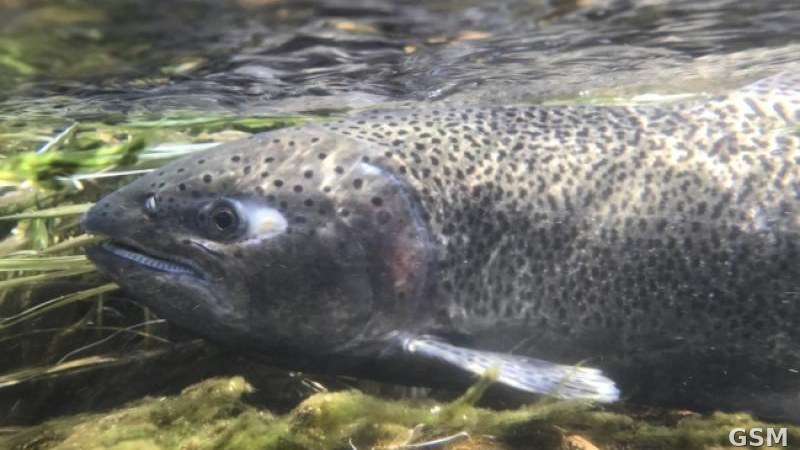
图片来源:加州 San Joaquin River 特别孵化场放流的春季 Chinook 三文鱼(Austin Demarest 摄,美国鱼类及野生动物管理局 USFWS,NOAA Fisheries 官方发布)
GSM Global · 本篇英文版 English edition of this story