国家海洋和大气管理局发布2025年搁浅报告:全美确认海洋哺乳动物搁浅8,058起,高于长期平均
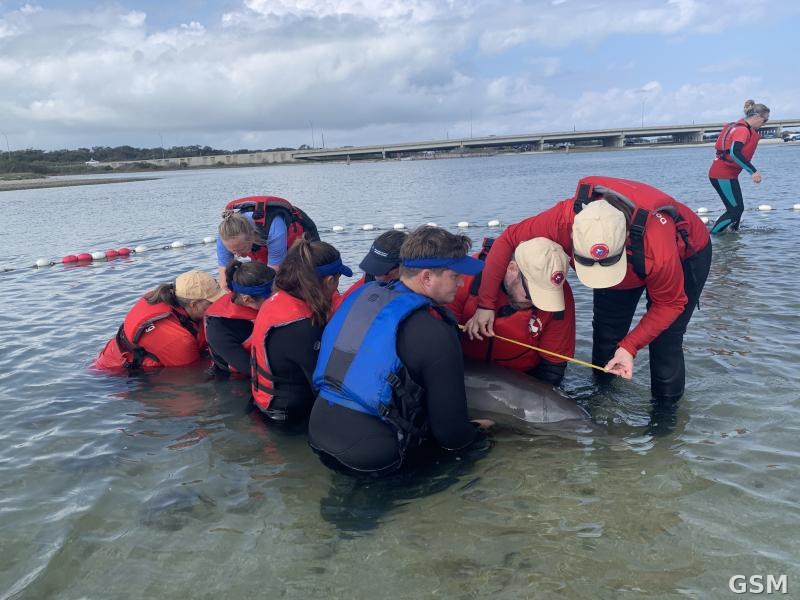
美国国家海洋和大气管理局(NOAA)渔业局11月13日发布《2025年美国海洋哺乳动物搁浅报告》。报告显示,2025年全美共确认8,058起鲸豚类(鲸、海豚与鼠海豚)与鳍足类(海豹、海狗与海狮)搁浅,高于2006至2024年的平均水平6,422起。这是该系列年度搁浅报告的第七期,由海洋哺乳动物健康与搁浅响应计划汇总。
报告指出,2025年初南加州沿海发生有害藻华,导致患病与死亡的海洋哺乳动物搁浅数量上升,主要是加州海狮与普通海豚。
按该计划的定义,海洋哺乳动物符合下列情形之一即属搁浅:死亡后出现在海滩或漂浮在水面;活体冲上海滩后无法自行回到水中;活体在海滩上且明显需要救治;或活体在水中无法在没有协助的情况下返回自然栖息地。海豹、海狗与海狮上岸休息、换毛与繁殖属正常行为,并非所有在海滩上的鳍足类都是搁浅。
报告列出的常见搁浅原因包括寄生虫、细菌、真菌与病毒引起的传染病,癌症等非传染性疾病,有害藻华及其生物毒素,船只碰撞、被现用或废弃渔具缠绕、吞食海洋垃圾等人类活动造成的伤害,营养不良,污染暴露,幼崽与母兽分离,以及人类干扰或骚扰等;飓风、热带风暴与海洋热浪等异常天气与海洋事件也可能相关。许多搁浅个案的原因最终无法确定,尤其是尸体被发现时已高度腐烂、检查受限的情况。
搁浅响应工作由依据《海洋哺乳动物保护法》获得授权的美国海洋哺乳动物搁浅响应网络承担,处置搁浅事件可降低公共健康与安全风险、支持动物福利,并为科学研究、管理决策与执法调查提供数据。NOAA 渔业局表示,公众如发现搁浅的海洋哺乳动物,应保持安全且合法的距离,并向所在地区的24小时热线报告发现日期与时间、地点、动物数量、存活状态与种类等信息;只有受过训练并获授权的响应人员可以接近、触碰或处置搁浅动物。
(来源:美国国家海洋和大气管理局)
NOAA Releases 2025 Strandings Report: 8,058 Confirmed Marine Mammal Strandings in the U.S., Above the Long-Term Average
NOAA Fisheries on November 13 released the 2025 Report of Marine Mammal Strandings in the United States. In 2025, there were a total of 8,058 confirmed cetacean (whale, dolphin, and porpoise) and pinniped (seal, fur seal, and sea lion) strandings in the United States, higher than the 2006–2024 average of 6,422. The report is the seventh installment in a series of annual stranding reports compiled by the Marine Mammal Health and Stranding Response Program.
A significant harmful algal bloom off Southern California in early 2025 resulted in elevated strandings of sick and dead marine mammals, primarily California sea lions and common dolphins, the report said.
Under the program's definition, a marine mammal is considered stranded if it is dead on a beach or floating in the water; alive on a beach but unable to return to the water; alive on a beach and in apparent need of medical attention; or alive in the water and unable to return to its natural habitat without assistance. Not all pinnipeds on a beach are stranded, as seals, fur seals, and sea lions spend time on beaches to rest, molt, and breed.
Common causes of strandings identified through examinations and necropsies include infectious diseases from parasites, bacteria, fungi, and viruses; non-infectious diseases including cancer; harmful algal blooms and associated biotoxins; injuries from vessel collisions, entanglement in active and derelict fishing gear, and ingestion of marine debris or other human interactions; malnutrition; pollution exposure; separation of pups and calves from their mothers; and human disturbance or harassment. Unusual weather or oceanographic events such as hurricanes, tropical storms, and marine heatwaves may also be related. In many cases the causes remain undetermined, especially when carcasses are found in advanced states of decomposition.
Stranding response is carried out by the U.S. Marine Mammal Stranding Response Network, authorized under the Marine Mammal Protection Act. Responding to strandings helps minimize public health and safety risks, support animal welfare, and gather data for science, management decisions, and law enforcement investigations. NOAA Fisheries asks the public to keep a safe and legal distance from stranded marine mammals and to report them to the regional 24/7 hotline with the date, time, location, number of animals, their condition, and species if known; only trained and authorized responders should approach, touch, or handle a stranded animal.
(Source: National Oceanic and Atmospheric Administration)
来源:美国国家海洋和大气管理局
发布:GSM·美国(发布链接)
图片来源:搁浅宽吻海豚在德州 Rockport 浅滩获救援(Texas Marine Mammal Stranding Network 摄,NOAA Fisheries 官方发布)
GSM Global · 本篇英文版 English edition of this story