加州黑熊越来越多走进低海拔社区:全州约61,000只,为美国本土最大种群
加州鱼类与野生动物局(CDFW)11月13日表示,加州的黑熊正在移动,越来越多地出现在一些出人意料的地方,更多社区正在变成「熊出没之地」。今年8月初,一只一岁黑熊出现在加州普莱瑟县 Roseville 与 Rocklin 两市的市界范围之内;今年早些时候,另一只成年母熊带着两只幼崽在同县的 Granite Bay 被确认出现,两只幼崽的年龄显示它们就出生在 Sacramento 城外郊区,并非从高山栖息地游荡而来。
今年7月,监控摄像头在 El Dorado 县的 Pollock Pines 拍到格外罕见的一幕:一只母熊带着四只幼崽在居民区里四处探索。
CDFW 全州黑熊协调员 Arjun Dheer 说,眼下看到的一部分是熊只扩散时的自然移动,熊能走很远的路,沿着河流走廊和相连的开阔地穿过建成区;这些很年幼的熊出现在低海拔地区,意味着更多社区将第一次与熊相遇,在冲突发生之前先把实用的信息送到这些社区手里,是让熊保持野性、让居民保持安全的重要一环。他还说,黑熊适应能力极强,能利用种类多样的栖息地。
对 CDFW 北中部地区负责人熊冲突工作的生物学家 Alexia Ronning 来说,熊频繁出现在低海拔社区,意味着要尽快教会居民、当地警察局、县警长办公室和动物管制人员应对办法。她说,最有效的应对始于冲突发生之前:收好垃圾和其他会招熊的东西,不让熊钻进爬行空间和附属建筑,给熊留足空间,绝不喂熊。
加州估计有61,000只黑熊,是美国本土最大的黑熊种群,而加州的人口有4,000万。CDFW 请居民照 BearWise 的六项居家基本做法行事:绝不喂食或靠近熊;收好食物、垃圾和回收物;熊活跃时撤掉喂鸟器;绝不把宠物食物留在户外;把烤架和烟熏炉清洁后收好;把熊的活动告诉邻居。整个社区步调一致尤其重要,因为一处没有收好的食物来源或一处没有封好的爬行空间,就可能把熊引进社区,引出危及居民和熊双方的行为。
居民可以在 CDFW 网站查看更新后的黑熊分布图和《加州黑熊保护与管理计划》;人熊冲突可向就近的 CDFW 区域办公室报告,熊若构成即时公共安全威胁,应拨打911联系紧急人员。
(来源:加州鱼类与野生动物局)
Black Bears Are Turning Up in More Low-Elevation California Communities; State Is Home to About 61,000, the Largest Population in the Continental U.S.
California's black bears are on the move and turning up in some surprising places, the California Department of Fish and Wildlife (CDFW) said on November 13, with more communities becoming bear country. In early August, a yearling black bear was spotted within the city limits of Roseville and Rocklin in Placer County, California. Earlier in the year, another adult female and her two young cubs were confirmed in Granite Bay, also in Placer County; the age of the young cubs indicated they were born in the suburbs outside Sacramento and did not wander in from high mountain habitat above.
In July, security cameras captured extraordinary footage in Pollock Pines, El Dorado County: a mother bear with quadruplets in tow exploring neighborhoods there.
Arjun Dheer, CDFW's statewide black bear coordinator, said some of what is being seen is natural movement as bears disperse, noting that bears can travel considerable distances and follow river corridors and connected open space to move through developed areas. The presence of very young bears in lower elevations means more communities will encounter bears for the first time, he said, so providing those communities with practical information before conflicts develop is an important part of keeping bears wild and people safe. Black bears are exceptionally adaptable and able to use a wide variety of habitats, he added.
For Alexia Ronning, CDFW's North Central Region human-bear conflict biologist, bears frequenting lower-elevation communities means quickly educating residents, local police departments, county sheriffs and animal control officers on best practices. The most effective response begins before any conflict occurs, she said: secure garbage and other attractants, prevent access to crawl spaces and outbuildings, give bears plenty of space and never feed them.
California is home to an estimated 61,000 black bears, the largest population of black bears in the continental United States, alongside a human population of 40 million. CDFW encourages Californians to follow the six at-home BearWise basics: never feed or approach bears; secure food, garbage and recycling; remove bird feeders when bears are active; never leave pet food outdoors; clean and store grills and smokers; and alert neighbors to bear activity. Consistent action across an entire neighborhood is especially important, CDFW said, because one unsecured food source or crawl space can draw a bear into a community and encourage behavior that puts both people and bears at risk.
Residents can view CDFW's updated black bear range map and the Black Bear Conservation and Management Plan for California on the department's website. Human-bear conflict can be reported to the nearest CDFW regional office, and anyone facing an immediate public safety threat from a bear should contact emergency personnel at 911.
(Source: California Department of Fish and Wildlife)
来源:加州鱼类与野生动物局
发布:GSM·美国(发布链接)
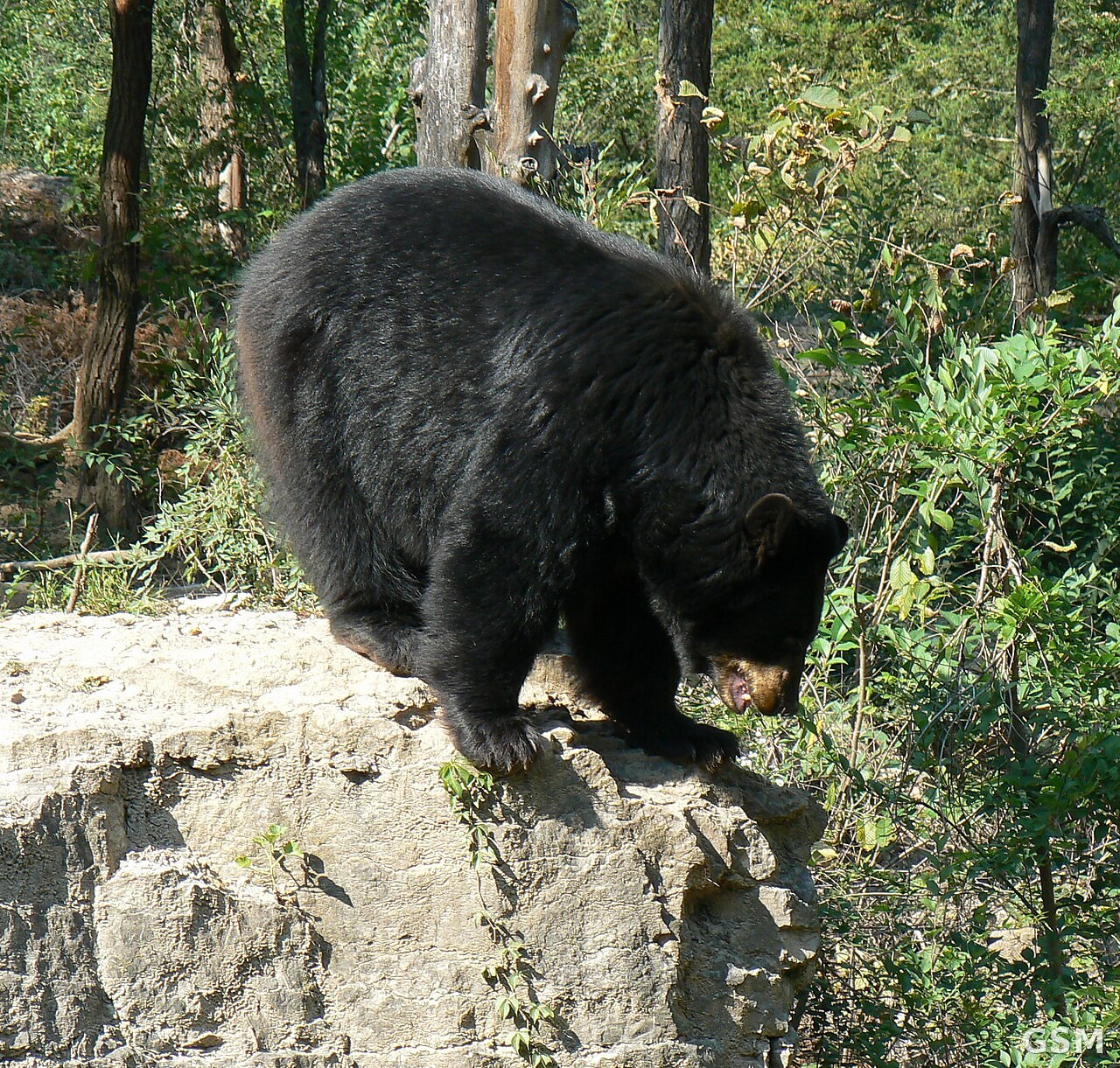
图片来源:图:一只美洲黑熊。MONGO 摄,公共领域,经 Wikimedia Commons。 / Photo: An American black bear. Photo by MONGO, public domain, via Wikimedia Commons.
GSM Global · 本篇英文版 English edition of this story