NASA 11月观星指南:北金牛座流星雨11月12日前后达峰,每小时约5颗偶有火流星
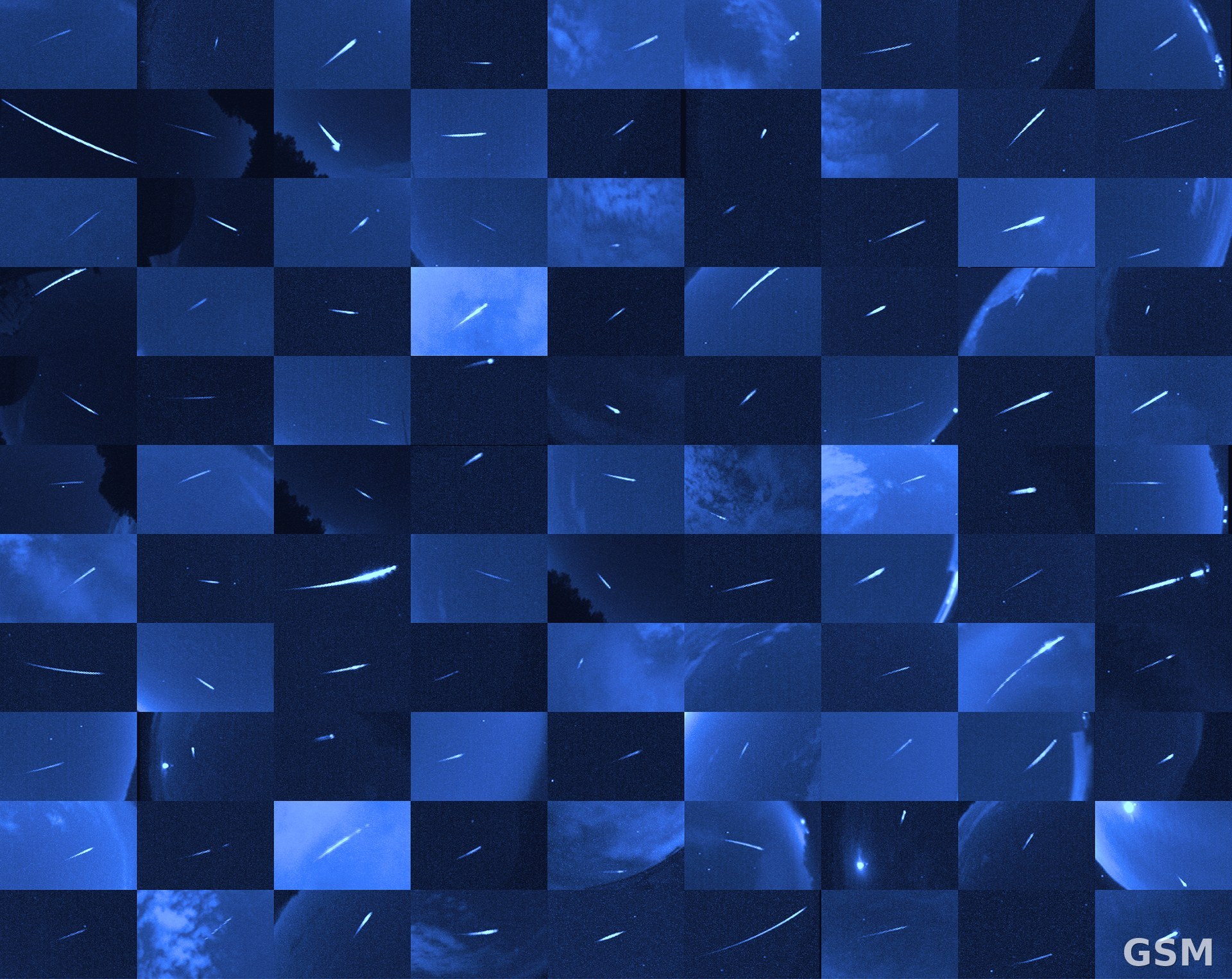
美国国家航空航天局喷气推进实验室2026年11月2日发布的11月观星指南显示,北金牛座流星雨在11月12日前后达到峰值。想看流星的居民,11月12日这一晚就是本月第一个窗口。
金牛座流星雨分南北两支:南金牛座已在11月5日前后达峰,北金牛座接着在11月12日前后达峰。两支的流量都不大,理想条件下每小时大约5颗,但偶尔会出现特别明亮的火流星,等待是值得的。指南由实验室的 Raquel Villanueva 讲解。
本月后半段还有三件事。11月15日和16日清晨日出前,朝东南方向看,火星和木星相距只有约1.2度,木星更亮、火星偏红,肉眼就能看清。11月17日和18日凌晨、月亮落下之后是狮子座流星雨的最佳时段,理想条件下每小时约15颗,多数人实际看到的会少一些。
11月17日还有一个里程碑:旅行者1号探测器将成为第一个距离地球达到一光日的人造物体,也就是说光速信号要24小时才能到达它那里,管理局当天有纪念活动。11月24日晚是满月超级月亮,是连续三个月超级月亮的第一个,黄昏时分朝东看它升起。
观星方法指南也给了:找暗处,让眼睛适应黑暗约半小时,尽量看大面积的天空。对南加州居民来说,11月13日白天有雨,流星雨这一晚先看本地云量再决定要不要出门,往沙漠方向走光污染更小。
(来源:美国国家航空航天局)
NASA November Skywatching Guide: Northern Taurids Peak Around November 12 at About Five Meteors an Hour With Occasional Fireballs
The November 2026 skywatching guide released by NASA's Jet Propulsion Laboratory on November 2 shows the Northern Taurid meteor shower peaking around November 12, making the night of November 12 the month's first viewing window.
The Taurids come in two branches: the Southern Taurids peaked around November 5, followed by the Northern Taurids around November 12. Each shower produces only a handful of meteors per hour, around five under ideal conditions, but an occasional bright fireball can make the wait worthwhile. The guide is presented by the laboratory's Raquel Villanueva.
Three more events fill the rest of the month. On the mornings of November 15 and 16, Mars and Jupiter appear about 1.2 degrees apart in the southeast before sunrise, Jupiter the brighter point with reddish Mars nearby, both easy to see unaided. The Leonids offer their best viewing in the early morning hours of November 17 and 18, after the Moon sets, at up to around 15 meteors per hour under ideal conditions, though most viewers will see fewer.
November 17 also carries a milestone: the Voyager 1 spacecraft becomes the first human-made object one light-day from Earth, meaning a signal traveling at the speed of light takes 24 hours to reach it, and NASA marks the day with a public activation. On November 24, a full supermoon lights the evening sky, the first in a series of three consecutive supermoons, rising in the east around sunset.
The guide's viewing advice is to find a dark location, give the eyes about half an hour to adjust, and take in as much sky as possible. Southern California readers should weigh local cloud cover on the night itself, with rain in the daytime forecast for November 13, and desert locations offer darker skies.
(Source: NASA)
来源:美国国家航空航天局
发布:GSM·美国(发布链接)
图片来源:图:流星雨划过夜空的合成影像。照片:美国国家航空航天局全天火流星网络,公共领域,经维基共享资源。 / Photo: A composite image of meteors streaking across the night sky. Photo: NASA All Sky Fireball Network, public domain, via Wikimedia Commons
GSM Global · 本篇英文版 English edition of this story