匈牙利公开共产时期秘密警察档案,约6万个名字上线可检索,完整档案2027年2月再释一批
匈牙利2026年11月4日把共产时期秘密警察的档案向公众打开:国家安全档案馆(ÁBTL)上线一个可检索的在线数据库,公开了数万名同前国家安全机构有关联者的名字。总理 Péter Magyar 说,约60,000个名字已经公开。
这批记录覆盖1945年至1989年间秘密警察用来监视本国公民的线人网络,包括安全机构的官员与联络人、他们招募的线人,在某些情况下还有被线人汇报的人。历史学家估计,留存记录中被点名者约50,000至60,000人,其中约十分之一可能仍然在世。政府同时说明,名字出现在数据库里,并不自动意味着自愿合作,记录里也包括被招募的对象。
公开的日期选在11月4日:70年前的这一天,苏联军队镇压了1956年匈牙利革命。公开档案是 Magyar 的竞选承诺,他的 Tisza 党在2026年4月的选举中结束了 Orbán 16年的执政。
下一阶段定在2027年2月25日:约9,000份更完整的档案将被数字化公开,内容包括招募过程与每名线人所提供信息的价值。对许多匈牙利家庭来说,这批迟到36年的档案,意味着要面对关于已故亲人的艰难信息。
(来源:匈牙利国家安全档案馆)
Hungary Opens Communist-Era Secret Police Files, Putting About 60,000 Names in a Searchable Database
Hungary opened its communist-era secret police archives to the public on November 4, 2026, through a searchable online database from the Historical Archives of the State Security Services (ABTL), releasing the names of tens of thousands of people linked to the former state security services. Prime Minister Peter Magyar said some 60,000 names have now been made public.
The release covers the informer network the communist regime used to spy on its own citizens between 1945 and 1989, including the officers and handlers of the former security services, the informants they recruited, and in some cases the people those informants reported on. Historians estimate that between 50,000 and 60,000 people are named in the surviving records, and roughly one in ten is believed to still be alive. The government has clarified that a name's presence in the database does not automatically imply voluntary collaboration, as records also include those targeted for recruitment.
The release was timed to November 4, the anniversary of the Soviet military intervention that crushed the Hungarian Revolution of 1956. Opening the files was a campaign pledge of Magyar, whose Tisza party ended Viktor Orban's 16 years in power at the April 2026 election.
A second phase is set for February 25, 2027, when around 9,000 fuller files will be digitised and released, covering recruitment processes and the value of information each informant provided. For many Hungarian families, the files, opened 36 years after communist rule ended, mean facing difficult information about deceased relatives.
(Source: Historical Archives of the Hungarian State Security (ABTL))
来源:匈牙利国家安全档案馆
发布:GSM·美国(发布链接)
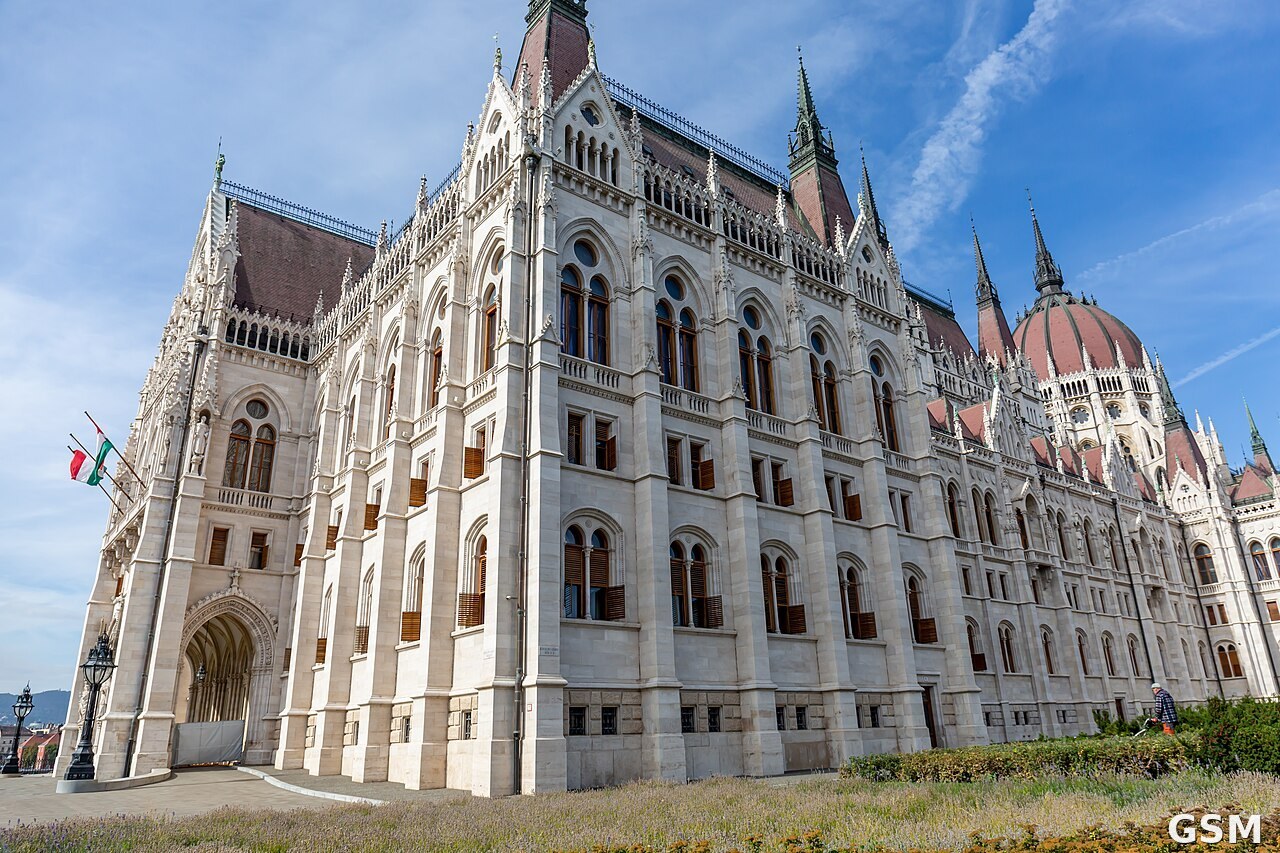
图片来源:图:布达佩斯多瑙河畔的匈牙利议会大厦。照片:Balon Greyjoy,CC0 1.0,经维基共享资源。 / Photo: The Hungarian Parliament Building on the Danube in Budapest. Photo: Balon Greyjoy, CC0 1.0, via Wikimedia Commons.
GSM Global · 本篇英文版 English edition of this story