【视频】NASA发布11月观星指南:狮子座流星雨17至18日登场,24日超级月亮压轴
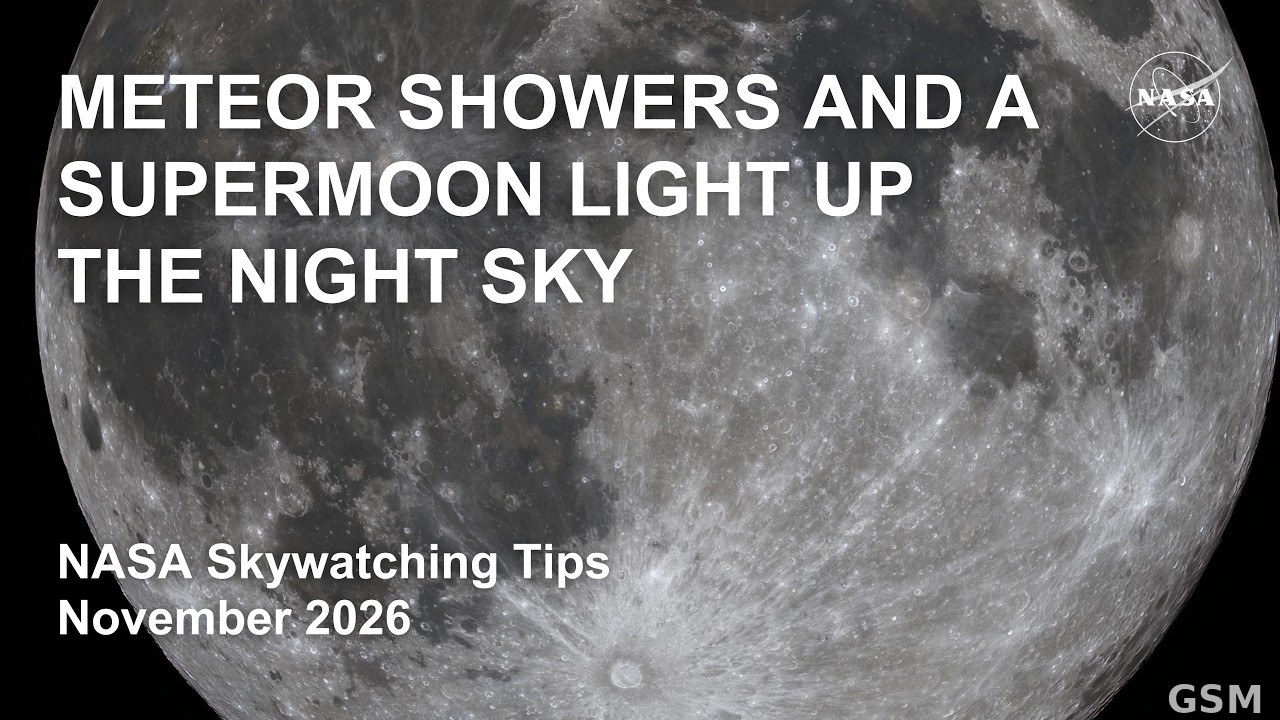
美国航空航天局(NASA)发布了11月观星指南视频,介绍本月夜空的主要看点:两场金牛座流星雨、一场狮子座流星雨,木星与火星的一次近距离相会,还有今后连续三个超级月亮的第一个。
金牛座流星雨分南北两支:南金牛座流星雨已在11月5日前后达到极大,北金牛座流星雨预计11月12日前后登场。两支流星雨每小时出现的流星都不多,通常只有几颗,但不时会有格外明亮的火流星划过。
11月15日至16日,木星与火星会在日出前的东南方天空靠近到相距约1.2度。紧接着,狮子座流星雨在11月17日至18日凌晨迎来极大,是本月最值得守候的一场流星雨。
指南还提到一个里程碑:旅行者1号探测器与地球的距离正接近一光日,也就是光走完一整天才能到达的距离,NASA 定于11月17日举行名为 Shine Bright 的活动。本月的超级月亮在11月24日出现,是11月、12月和明年1月连续三个超级月亮中的第一个。
(来源:美国航空航天局)
[Video] NASA's November Skywatching Guide: Leonid Meteors on November 17-18 and a Supermoon on the 24th
NASA has released its "What's Up" skywatching video for November, running through the month's highlights: two Taurid meteor showers, the Leonids, a close pairing of Jupiter and Mars, and the first of three straight supermoons.
The Taurids come in two branches. The Southern Taurids peaked around November 5, and the Northern Taurids are expected around November 12. Both produce only a handful of meteors per hour, but they are known for occasional bright fireballs.
On November 15 and 16, Jupiter and Mars will appear just 1.2 degrees apart in the southeastern sky before sunrise. Right after that, the Leonid meteor shower peaks in the pre-dawn hours of November 17 and 18, the month's headline shower.
The guide also notes a milestone for Voyager 1: the spacecraft is approaching a distance of one light-day from Earth, and NASA plans a "Shine Bright" activation on November 17. The month's supermoon arrives on November 24, the first of three in a row across November, December and January.
(Source: NASA)
来源:美国航空航天局
发布:GSM·美国(发布链接)
图片来源:图:NASA 11月观星指南视频封面帧。NASA 官方视频截图。 / Photo: Cover frame of NASA's November skywatching video. Still from the official NASA video.
GSM Global · 本篇英文版 English edition of this story