受体功能图谱揭示隐藏药物位点:《自然结构与分子生物学》合成7500个受体变体、逾15万次测量
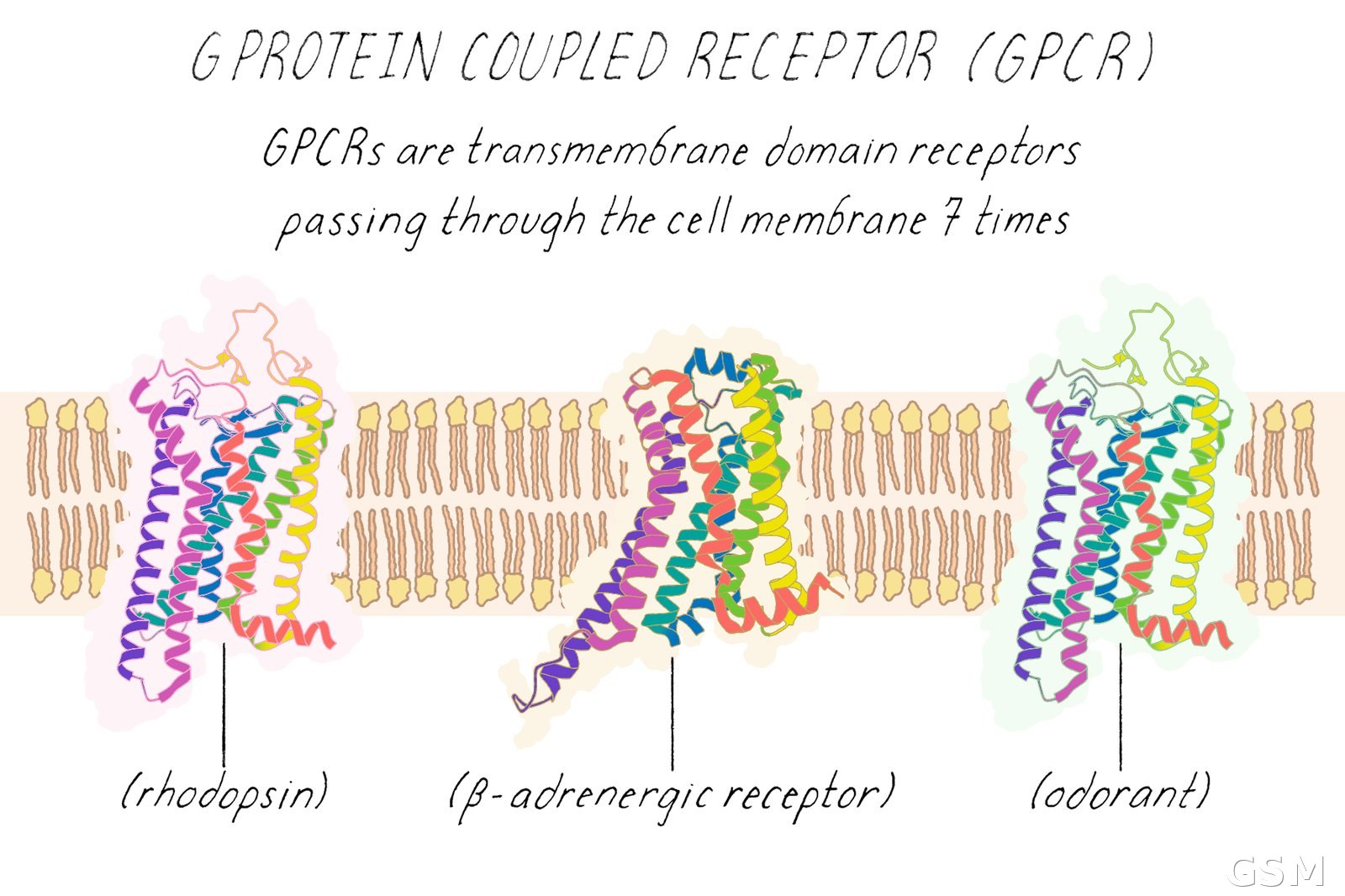
西班牙巴塞罗那报道 — 基因组调控中心(CRG)研究人员开发了一种为 G 蛋白偶联受体(GPCR)绘制详细功能图谱的新方法。研究11月11日经报道刊于《自然结构与分子生物学》(Nature Structural & Molecular Biology)。据报道,全球经监管批准的药物中有三分之一以这一蛋白家族为靶点,人体共有800种不同的 GPCR,肾上腺素、组胺与血清素等均依赖不同变体把信号传入细胞,β受体阻滞剂、抗组胺药、阿片类药物与哮喘吸入剂也以其为靶点。本稿只报道研究事实,不作个体诊疗建议。
这项由泰勒·米盖尔(Taylor Mighell)与本·莱纳(Ben Lehner)领导的研究,以 β2 肾上腺素受体为对象绘制图谱:该受体向细胞发出放松气道的信号,是沙丁胺醇、沙美特罗等哮喘与慢性阻塞性肺病吸入剂的药物靶点。团队通过逐一替换蛋白的一个组成单元,合成了共7500个变体,把每个变体放入人类细胞,并以不同药物剂量与其他参数测试,对单个受体产生逾15万次测量。所得数据显示出此前未被发现的潜在药物靶点,其中许多区域带有可调节的位置,可用于微调受体的行为。
为检验方法能否推广到单一受体之外,团队把同一方法用于第二个参与肾脏水分调节的蛋白,并得到可比的结果。研究团队的长期目标是为 GPCR 家族的更多成员绘制类似图谱。米盖尔表示,人们即便有一张完美的蛋白工作部件图,也未必知道改变一个部件会发生什么,新方法得到的东西更接近一本手册、而不只是一张图。
Receptor Map Uncovers Hidden Drug Sites: Nature Structural and Molecular Biology Team Builds 7,500 Receptor Variants and More Than 150,000 Measurements
BARCELONA, Spain — Researchers at the Center for Genomic Regulation (CRG) have developed a new way of identifying druggable sites on G protein-coupled receptors (GPCRs) by building detailed functional maps of the proteins, in a study reported November 11 in Nature Structural & Molecular Biology. One in three regulator-approved drugs worldwide targets this family of proteins. There are 800 different types of GPCRs, and adrenaline, histamine and serotonin all rely on different variants to transmit signals into the cell; they are also targets for beta blockers, antihistamines, opioids and asthma inhalers. This item reports the study's facts only and offers no individual medical advice.
The study, led by Taylor Mighell and Ben Lehner, built a map of the beta-2 adrenergic receptor, a GPCR that tells cells to relax airways and is a drug target for asthma and COPD inhalers such as salbutamol and salmeterol. They synthesized 7,500 versions of the protein, each made by swapping one building block for another, put each into a human cell and tested it with different drug doses and other parameters, producing more than 150,000 measurements for a single receptor. The resulting data showed new potential drug targets that had previously been hidden from sight, including many regions with adjustable positions that can be altered to fine-tune the behavior of the receptor.
To test whether the method works beyond a single receptor, the team applied it to a second protein involved in regulating water in the kidneys and found comparable results. The team's long-term ambition is to build similar maps for many more members of the GPCR family. Mighell said a perfect diagram of a protein's working parts still does not show what happens when a component is changed, and that the new method provides something closer to a manual than a diagram.
来源:《自然结构与分子生物学》
发布:GSM·美国(发布链接)
图片来源:图:G 蛋白偶联受体示意图。经Wikimedia Commons。 / Photo: G protein-coupled receptor illustration. Via Wikimedia Commons.
GSM Global · 本篇英文版 English edition of this story