华盛顿史密森尼美国国家历史博物馆医学史特展11月6日开幕:展出1969年首例人工心脏与1928年青霉菌样本,展期约三年
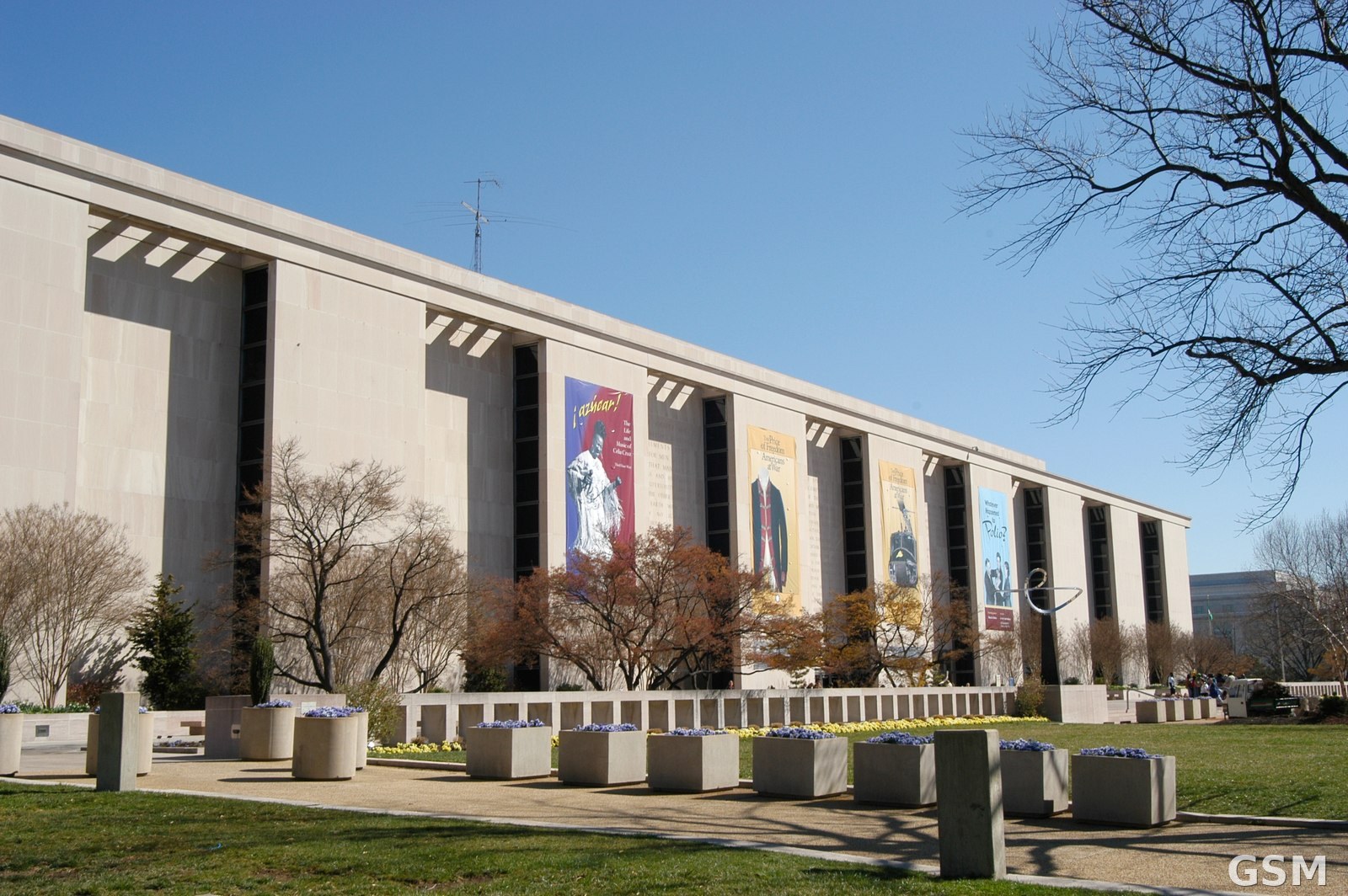
华盛顿消息,史密森尼国家美国历史博物馆新展《First Do No Harm》(首先,不伤害)已于11月6日开幕,展期约三年,展览汇集医学史物件,呈现科学家、医护人员、病人与社区如何共同推动美国医学进步,博物馆每日上午10时至下午5时30分开放,12月25日除外,入场免费、无需通行证。
展品包括利奥塔库利人工心脏,该装置1969年成为首个植入人体的人工心脏;物理学家艾伦科马克1963年使用的扫描仪原型,其研究奠定计算机断层扫描即CT的理论基础;以及亚历山大弗莱明实验室1928年的青霉菌样本。
展览还展出乔纳斯索尔克1950年脊髓灰质炎疫苗试验所用注射器与2021年的一瓶新冠疫苗,并讲述旧金山中华会馆1899年创办同华医院、为当时被市内医院排斥的华人社区提供医疗服务的历史。
Smithsonian National Museum of American History Opens First Do No Harm on November 6 in Washington, 1969 Artificial Heart and 1928 Penicillin Mold, About Three Years
WASHINGTON — A new Smithsonian exhibition, First Do No Harm, opened November 6, 2026, at the National Museum of American History and is expected to remain on display for approximately three years, bringing together objects from the history of medicine and exploring how scientists, healthcare professionals, patients and communities have contributed to advances in medicine throughout American history. The museum is generally open daily from 10 a.m. to 5:30 p.m., except December 25, and admission is free with no passes required.
Among the featured artifacts is the Liotta-Cooley artificial heart, which became the first artificial heart implanted in a human in 1969, and a prototype scanner used by physicist Allan M. Cormack in 1963, whose research helped establish the theoretical foundations of computed tomography, known as CT scanning. Another artifact is a sample of penicillin mold from Alexander Fleming laboratory dating to 1928.
The exhibition also includes a syringe used by Jonas Salk during testing of the polio vaccine in 1950 alongside a vial of a COVID-19 vaccine from 2021, and it tells the story of the Chinese Benevolent Association in San Francisco, which established the Tung Wah Dispensary in 1899 to provide medical care for a community that faced exclusion from the city hospitals.
发布:GSM·美国(发布链接)
图片来源:图:位于华盛顿国家广场旁的史密森尼美国国家历史博物馆建筑外观。G. Edward Johnson 摄,CC BY 4.0,经 Wikimedia Commons / Photo: National Museum of American History 1. By G. Edward Johnson, CC BY 4.0, via Wikimedia Commons
GSM Global · 本篇英文版 English edition of this story