康涅狄格州斯托斯康涅狄格大学王雪菊获NIH 225万美元MIRA拨款:五年期建三维类器官「微型实验室」平台,将以脑与心脏类器官作药物筛选评估
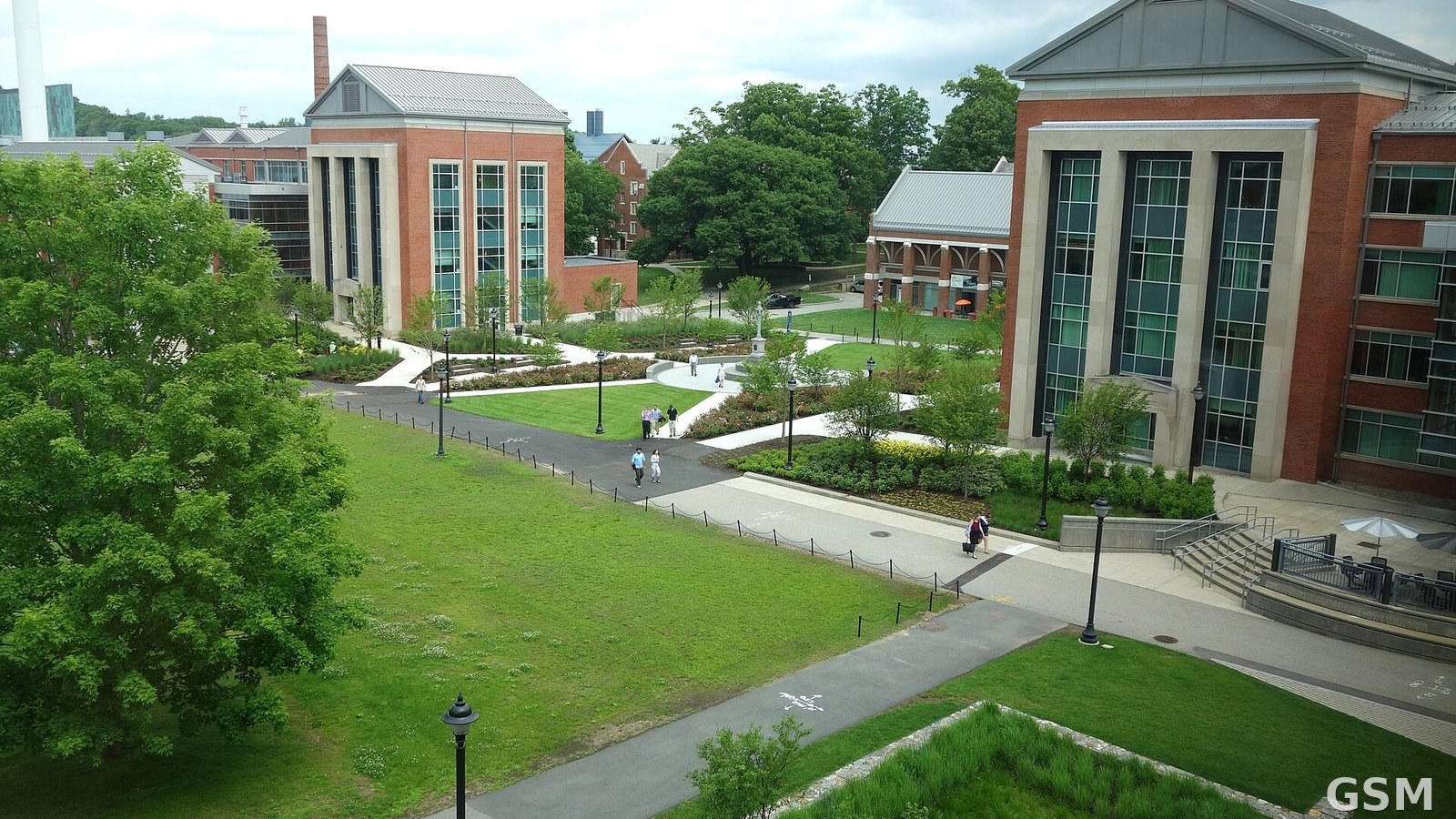
康涅狄格州斯托斯市消息—康涅狄格大学(University of Connecticut)11月9日发布,该校材料科学与工程副教授王雪菊(Xueju "Sophie" Wang)获美国国立卫生研究院(NIH)「研究者研究奖最大化」(MIRA,R35)拨款225万美元,开发一套支持类器官生长与功能评估的先进三维平台。
据该校发布,类器官是由干细胞在实验室培养的三维微型组织模型,能再现人体器官的部分结构与功能特征,可供研究发育与疾病、并在更早期阶段以人体相关组织模型测试候选药物、减少对动物模型的依赖。现有类器官多缺乏功能完整的血管网络,营养靠被动扩散无法抵达中心,中心细胞因营养不足难以继续发育。
王雪菊团队将以这笔五年期拨款开发整合柔性电子与微流控技术的「微型实验室」:一方面建可实时评估类器官功能的三维电子网络,传感器测量温度、应变、pH 与生化生物标志物;另一方面建模拟人体血管系统的三维微流控网络以改善营养输送,支架可随类器官生长变形而调整。项目期內,团队将以脑类器官与心脏类器官等模型评估该平台用于药物筛选的潜力。王雪菊表示,该平台建成后可用于药物筛选、个体化医疗与疾病建模。
University of Connecticut's Xueju Wang in Storrs, Connecticut Wins a $2.25 Million NIH MIRA Award: A Five-Year Project to Build a 3D Organoid "Micro-Lab," to Be
STORRS, Connecticut — The University of Connecticut reported on November 9 that Xueju "Sophie" Wang, associate professor of materials science and engineering, has received a $2.25 million Maximizing Investigators' Research Award (MIRA) (R35) from the National Institutes of Health (NIH) to develop an advanced three-dimensional platform that will support organoid growth and functional evaluation.
According to the university, organoids are miniature 3D tissue models grown in the lab from stem cells that reproduce certain structural and functional features of human organs, offering a way to study development and disease, test potential therapeutics in human-relevant tissue models earlier in development and reduce reliance on animal models. Many organoids, however, lack fully functional blood vessel networks, so nutrition relying on passive diffusion cannot reach the center, and central cells cannot develop further and begin to die from insufficient nutrient delivery.
With the five-year grant, Wang's team will develop a "micro-lab" integrating soft electronic and microfluidic technologies: three-dimensional electronic networks able to evaluate organoid functionality in real time, with sensors measuring temperature, strain, pH and biochemical biomarkers, and a 3D microfluidic network mimicking the human vascular system to improve nutrient delivery, on a soft framework designed to morph as organoids grow and change shape. During the project, Wang will evaluate the platform's potential for drug screening using organoid models, including brain and cardiac organoids. Wang said the platform, once developed, could be used for drug screening, personalized medicine and disease modeling.
来源链接:康涅狄格大学发布(today.uconn.edu): https://today.uconn.edu/2026/11/nih-grant-supports-development-of-innovative-3d-organoid-platform-for-drug-discovery/
—-
来源:康涅狄格大学
发布:GSM·美国(发布链接)
图片来源:康涅狄格大学校园(资料图)。(Wikimedia Commons)|The University of Connecticut campus (file photo). (Wikimedia Commons)
GSM Global · 本篇英文版 English edition of this story