德克萨斯州休斯顿大学化学家获NIH五年期219万美元拨款:研究膳食锌铁如何改变肠道微生物组,拨款编号R35GM161898
德克萨斯州休斯顿市消息—休斯顿大学(University of Houston)11月2日发布,该校自然科学与数学学院副教授梅丽莎·扎斯特罗(Melissa Zastrow)获美国国立卫生研究院(NIH)一笔五年期、219万美元的新拨款,研究锌、铁等膳食金属如何改变人体肠道微生物组、以及这些变化是否直接引发胃肠道疾病。拨款由 NIH 国家普通医学科学研究所支持,编号 R35GM161898。
据该校发布,锌、铁等必需微量金属既为人体所需,也为肠道微生物所需;当金属水平因每日复合维生素或营养缺乏而波动时,有益菌与致病菌之间的平衡可能被打破,但科学界目前尚不能预测膳食变化如何改变微生物化学。扎斯特罗表示,金属影响肠道菌群并与多种病理相关,但其作用难以预测与控制,因为各物种与宿主之间如何调控这些金属仍未明了,其研究旨在填补这一知识缺口。
为在无氧的肠道环境中实时追踪金属,该团队改造不依赖氧气的天然光感蛋白,把细菌工程化为「活体」生物传感器工厂;团队以酸奶与益生菌补充剂中常见的乳酸杆菌为重点,并与德克萨斯医学中心合作方利用 3D 打印流动池模型模拟人体小肠环境,在不用动物实验的条件下观察多菌种竞争。该团队 2020 年曾获 NIH 初步拨款、证明传感器可检测锌与铜;新拨款将把传感器面板扩展至绿光至近红外多波长,并新增锰与铁的检测。
University of Houston Chemist in Houston, Texas Wins a Five-Year, $2.19 Million NIH Grant: Studying How Dietary Zinc and Iron Alter the Gut Microbiome, Under Aw
HOUSTON, Texas — The University of Houston reported on November 2 that Melissa Zastrow, an associate professor in its College of Natural Sciences and Mathematics, has been awarded a new five-year, $2.19 million grant from the National Institutes of Health (NIH) to investigate how essential trace metals such as zinc and iron alter the human gut microbiome and whether these changes directly trigger gastrointestinal disease. The research is supported by the National Institute of General Medical Sciences of the NIH under award number R35GM161898.
According to the university, dietary metals such as zinc and iron are critical for human survival, but gut microbes also rely on them; when metal levels fluctuate — whether from daily multivitamins or nutritional deficiencies — the balance between beneficial bacteria and illness-causing pathogens can destabilize, yet scientists still cannot predict how shifts in diet alter microbial chemistry. Zastrow, the grant's principal investigator, said metals impact the gut microbiota and correlate with various pathologies, but the impacts are hard to predict and control because not all of their roles, or how they are regulated between species and the host, are understood, and that her research will yield insight into this knowledge gap.
To track these interactions in the oxygen-poor gut, the team re-engineered natural light-sensing proteins that do not rely on oxygen, turning bacteria into living biosensor factories; the work focuses on Lactobacillus, a family of beneficial bacteria found in yogurt and probiotic supplements, and uses 3D-printed flow-cell cartridges developed with Texas Medical Center collaborators to simulate the human small intestine without animal testing. An initial 2020 NIH award proved the sensors could detect zinc and copper; the new award expands the sensor panel across multiple wavelengths, from green to near-infrared, and adds manganese and iron detection.
来源链接:休斯顿大学发布(uh.edu): https://www.uh.edu/news-events/stories/2026/november/11022026-nih-grant-gut-bacteria.php
—-
来源:休斯顿大学
发布:GSM·美国(发布链接)
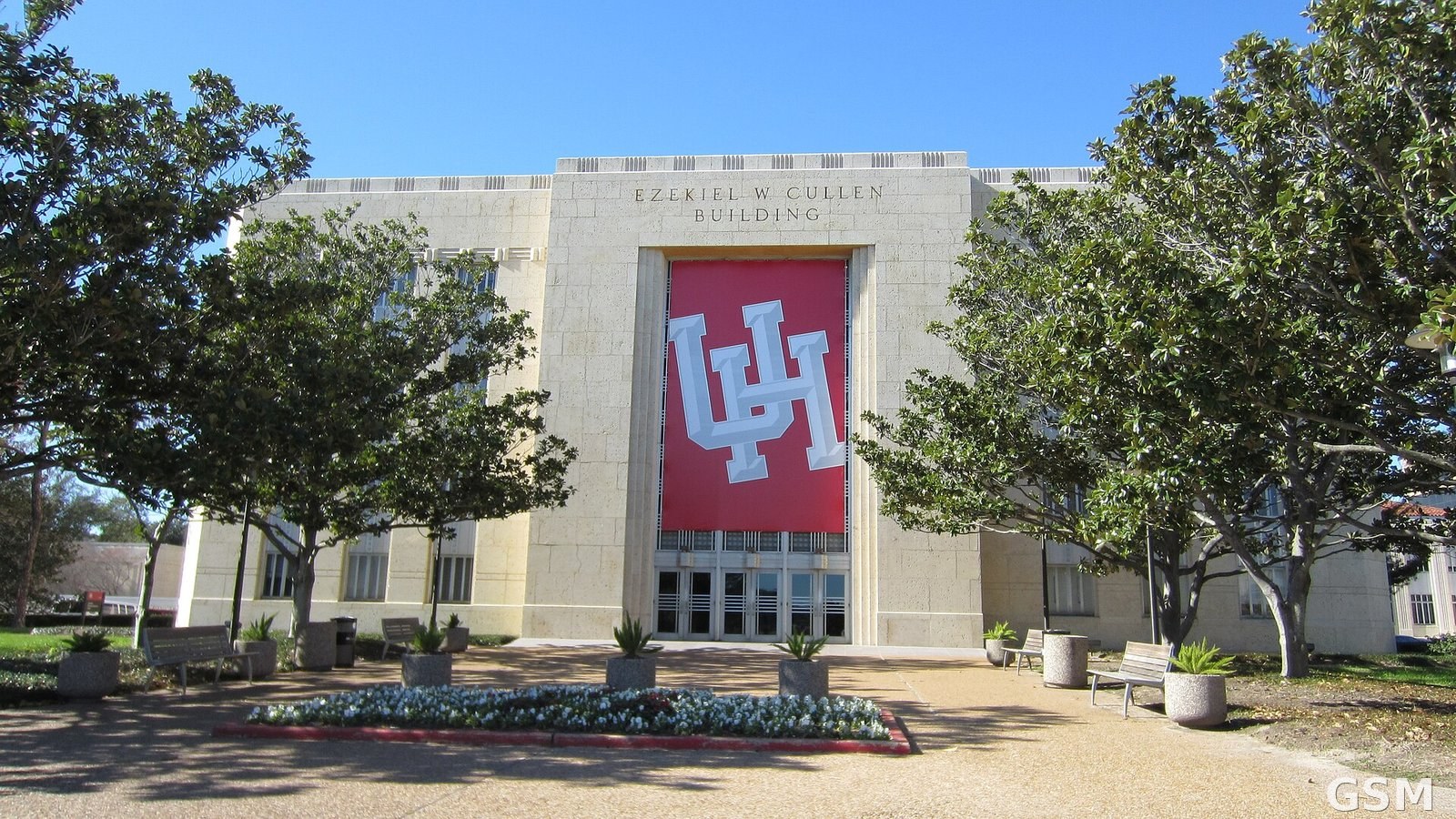
图片来源:休斯顿大学校园(资料图)。(Wikimedia Commons)|The University of Houston campus (file photo). (Wikimedia Commons)
GSM Global · 本篇英文版 English edition of this story