弗洛勒斯人洞穴出土新物种冢雉化石:19万至12万年前腿骨定为Megapodius rokusi,体重约3.9公斤为同属最大
研究人员把一块2009年在印度尼西亚弗洛勒斯岛 Liang Bua 洞穴发现的腿骨化石,鉴定为一个已灭绝的冢雉新物种。相关论文已发表于《Alcheringa:澳大拉西亚古生物学杂志》,Phys.org 于11月8日作了报道。Liang Bua 正是此前出土弗洛勒斯人(Homo floresiensis)遗骸的同一洞穴。
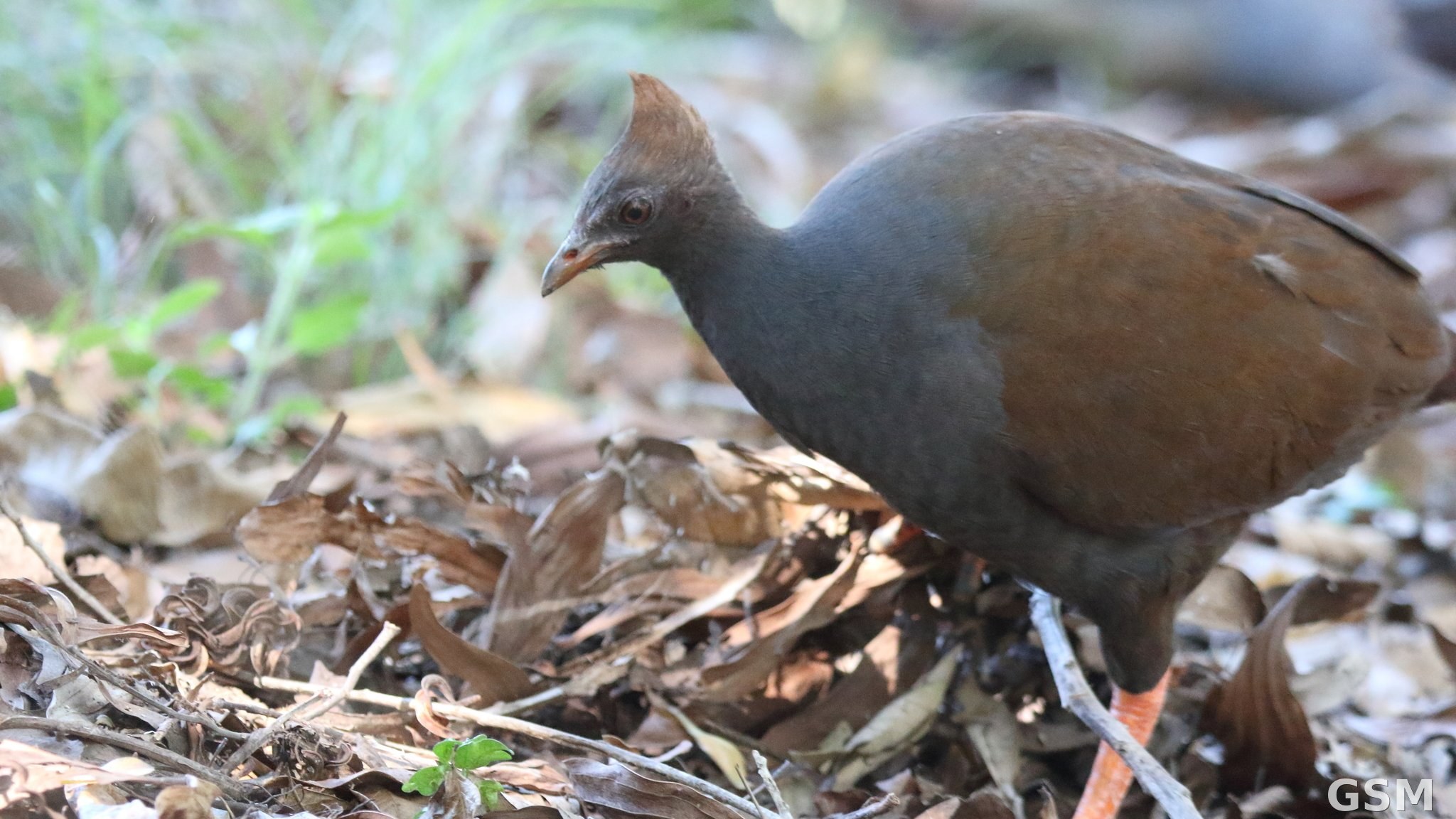
这块腿骨(跗跖骨)出自洞穴最深的地层之一,年代约为19万至12万年前,2009年被发现、认出是鸟骨后被搁置多年。研究人员将其与现生及已灭绝的冢雉物种逐一对比,发现其趾关节的形状与位置与其它冢雉都不同,腿的形态与尺寸显示其体型较大,据此判定为新物种,并命名为 Megapodius rokusi,以纪念 Rokus Due Awe—他是最早认出弗洛勒斯人骨骼的人,后来也是他认出这块化石是鸟骨。团队估计,该鸟体重约3.9公斤(约8.6磅),是迄今发现的最大的 Megapodius 属物种;弗洛勒斯岛现生的橙脚冢雉体重仅0.5至1.2公斤。论文称,这是华莱士区(Wallacea)首次发现冢雉化石。冢雉是一类地栖、形似鸡的鸟类,不孵蛋,而是把蛋产在大型土堆或洞穴中后离去。
论文同时注明,仅凭一块化石能得出的结论有限:没有翅骨,无法确定它能否飞行;其灭绝时间也不确定,可能与 Liang Bua 的巨鹳、矮型剑齿象类、弗洛勒斯人及秃鹫等同期灭绝,也可能消失得更早。卑尔根大学博物馆教授兼骨学馆长 Hanneke Meijer 表示,这是 Liang Bua 出土的最古老鸟类遗存之一,该时段的鸟类资料几乎空白;她并表示,鸟类化石长期被哺乳动物骨骼掩盖,华莱士区应还有更多冢雉化石有待发现。
New Megapode Species Identified From Flores 'Hobbit' Cave: Leg Bone Dated to 190,000–120,000 Years Ago Named Megapodius rokusi, at About 3.9 Kilograms the Large
Researchers have identified a fossil leg bone found in 2009 in the Liang Bua cave on Indonesia's Flores Island as a new extinct species of megapode, a ground-dwelling, chicken-like bird. The study was published in Alcheringa: An Australasian Journal of Palaeontology and reported by Phys.org on November 8. Liang Bua is the same cave that held the ancient remains of Homo floresiensis.
The leg bone — a tarsometatarsus — came from one of the cave's deepest layers and dates to about 190,000–120,000 years ago; it was identified as a bird bone in 2009 and then set aside for years. Comparing it with living and extinct megapode species, the researchers found that its toe joints differ in shape and position from those of other megapodes and that its leg shape and size point to a rather large bird, and concluded it belonged to a new species. They named it Megapodius rokusi, after Rokus Due Awe, the self-taught zooarchaeologist who first recognized the bones of H. floresiensis and later identified the fossil as a bird bone. The team estimated the bird weighed around 3.9 kilograms (about 8.6 pounds), making it the largest Megapodius ever found; Flores Island's current megapode, the orange-footed scrubfowl, weighs only 0.5–1.2 kg. The study reported that it is the first megapode fossil ever found in Wallacea. Megapodes do not sit on their nests; they lay their eggs in large mounds or burrows and leave them there.
The study also noted the limits of a single fossil: without wing bones it is uncertain whether the bird could fly, and its extinction timing is murky — it may have vanished around the same time as Liang Bua's other extinct animals, including the giant stork, the dwarf Stegodon, H. floresiensis and vultures, or it may have disappeared much earlier. Hanneke Meijer, a professor and curator of osteology at the University Museum of Bergen, said the fossil is one of the oldest bird remains found at Liang Bua, from a period for which there is almost no data on birds, and said she expects more megapode fossils to be found in Wallacea, where bird fossils have long been overlooked in favor of mammal bones.
—-
来源:《Alcheringa》期刊论文(经 Phys.org 报道
发布:GSM·美国(发布链接)
图片来源:橙脚冢雉(资料图)。(Wikimedia Commons/CC BY-SA 4.0)|An orange-footed scrubfowl (file photo). (Wikimedia Commons / CC BY-SA 4.0)
GSM Global · 本篇英文版 English edition of this story