《自然·通讯》论文:安第斯7座火山最小斜长石晶体化学签名相同,团队提出「斜长石可喷发性域」概念
澳大利亚消息—昆士兰大学研究团队发现,火山岩中常见的白色晶体斜长石可以记录火山内部活动并给出其是否容易喷发的线索。相关论文已发表于《自然·通讯》,题为《火山弧中已喷发与被困岩浆的晶体记录》,昆士兰大学环境学院博士研究生 Daniela Parra-Encalada 为研究主要执行者,副教授 Terese Ubide 为资深作者。
斜长石在地表以下仅数公里深的岩浆中生长,会随温度、含水量与岩浆成分变化作出反应。Parra-Encalada 表示,分析单个晶体而非整块岩石的化学成分,可以重建火山历史的不同阶段并识别喷发前一刻发生的过程;最细小、最新形成的晶体只有一根头发丝宽,形成于喷发的最后阶段。团队在智利与阿根廷中安第斯一段230公里(143英里)范围内采集样本,对7座火山与另外2次古代超级喷发的28个代表性岩石薄片作显微分析与斜长石微晶化学成分测绘,发现不同年龄、喷发方式与活动水平的安第斯火山,其最小晶体都带有相同的化学签名;与环太平洋火山带其他地区数据的对照也显示出相似特征。建模结果表明,该签名最可能与深处非常热的岩浆向上涌入浅层岩浆房有关,这一过程会破坏火山管道系统的稳定、最终触发喷发。
团队把这一新识别出的地球化学形态命名为「斜长石可喷发性域」(plagioclase eruptibility field),下一步将检验它是否存在于大洋火山。Ubide 表示,未来研究可确定斜长石的化学签名能否用来识别哪些火山更易喷发、值得加强监测;这类晶体还可能揭示岩浆系统如何富集铜、金等有价值金属,为火山学与关键矿产研究建立新联系。
Nature Communications Study: Smallest Plagioclase Crystals From Seven Andean Volcanoes Share the Same Chemical Signature; Team Names the Pattern the 'Plagioclas
Researchers at the University of Queensland have shown that tiny plagioclase crystals in volcanic rocks record activity inside volcanoes and could provide clues to their ability to erupt. The work, led by Ph.D. candidate Daniela Parra-Encalada of the School of the Environment with associate professor Terese Ubide as senior author, was published in Nature Communications under the title "Crystal records of erupted vs. trapped magma in volcanic arcs."
Plagioclase grows in magma only a few kilometers below the surface, reacting to changes in temperature, water content and magma composition. Parra-Encalada said analyzing the chemistry of individual crystals rather than whole rocks allows researchers to reconstruct different stages of a volcano's history and identify the processes that occurred immediately before eruption, and that the smallest, newest crystals — just the width of a human hair — formed during the final stages of an eruption. The team examined thin sections of 28 representative rocks from seven volcanoes and two more ancient super-eruptions collected across a 230-kilometer (143-mile) stretch of the Central Andes in Chile and Argentina, analyzing and mapping the chemical composition of plagioclase microcrystals. The smallest crystals from Andean volcanoes of different ages, eruptive styles and activity levels had the same chemical signature, and comparison with datasets from other areas around the Pacific Ring of Fire showed similar characteristics. Modeling showed the signature was most likely linked to very hot magma from deeper underground pushing into a shallow magma reservoir, destabilizing the volcano's plumbing system and eventually triggering the eruption.
The team termed the newly identified geochemical pattern the "plagioclase eruptibility field" and will investigate whether it occurs in oceanic volcanoes. Ubide said future research could determine whether the chemical signature can identify volcanoes that warrant closer monitoring because they may be more prone to eruption, and that plagioclase crystals could also reveal how magma systems accumulate valuable metals such as copper and gold, creating new links between volcanology and critical minerals research.
—-
来源:研究论文(经 Phys.org 报道
发布:GSM·美国(发布链接)
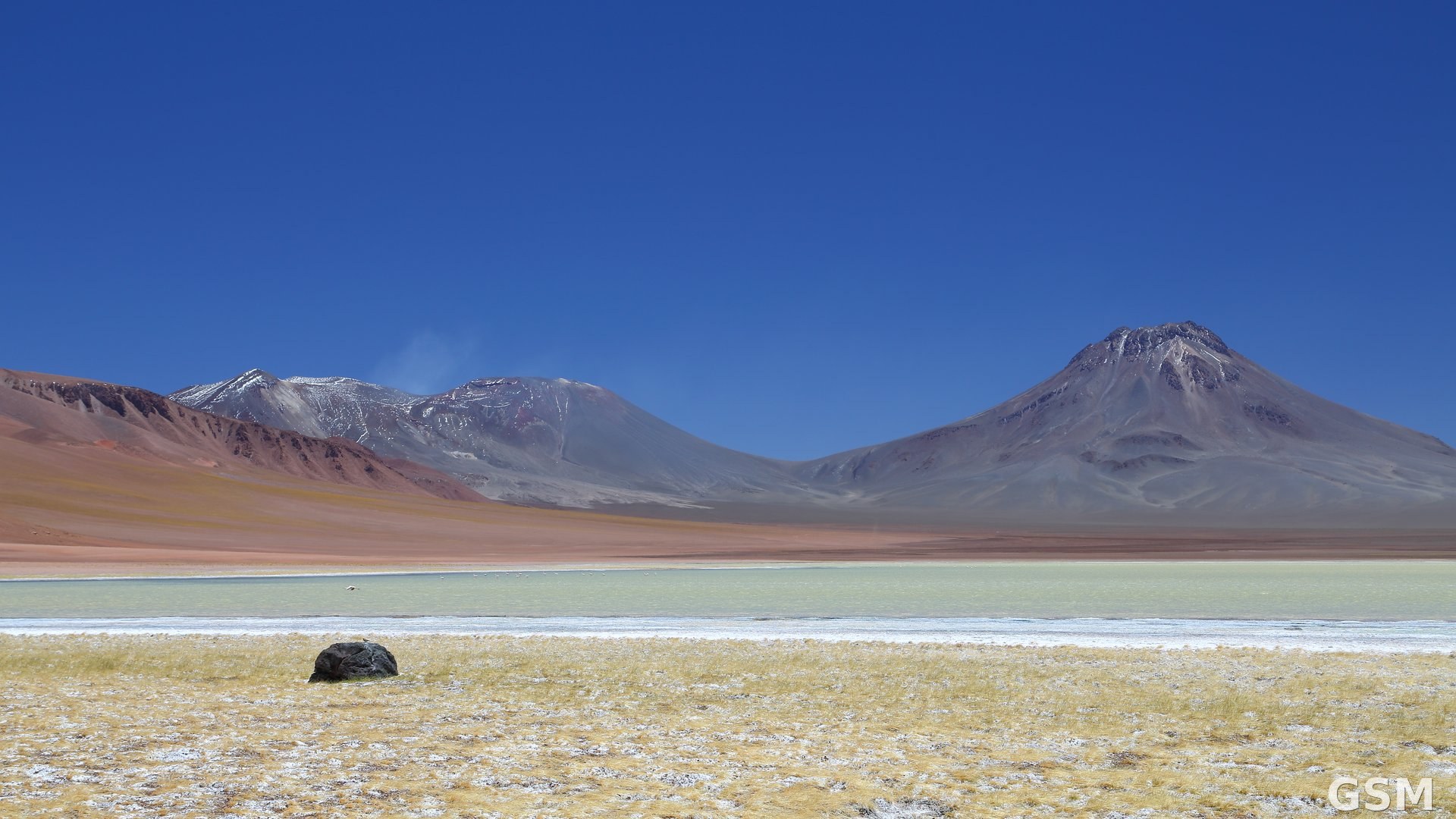
图片来源:安第斯山脉火山(资料图)。(Wikimedia Commons)|An Andes volcano (file photo). (Wikimedia Commons)
GSM Global · 本篇英文版 English edition of this story