佛罗里达州盖恩斯维尔佛罗里达大学获NIH 180万美元研发米粒大小无电池神经刺激器:以人体导电供能、可注射植入,面向周围神经损伤研究
佛罗里达州盖恩斯维尔市消息—佛罗里达大学11月6日发布,美国国立卫生研究院(NIH)向该校一个工程团队授予180万美元,用于继续研发一种由人体供能的无线、无电池、可注射微创神经刺激器。该项 R01 拨款于今年9月颁授。
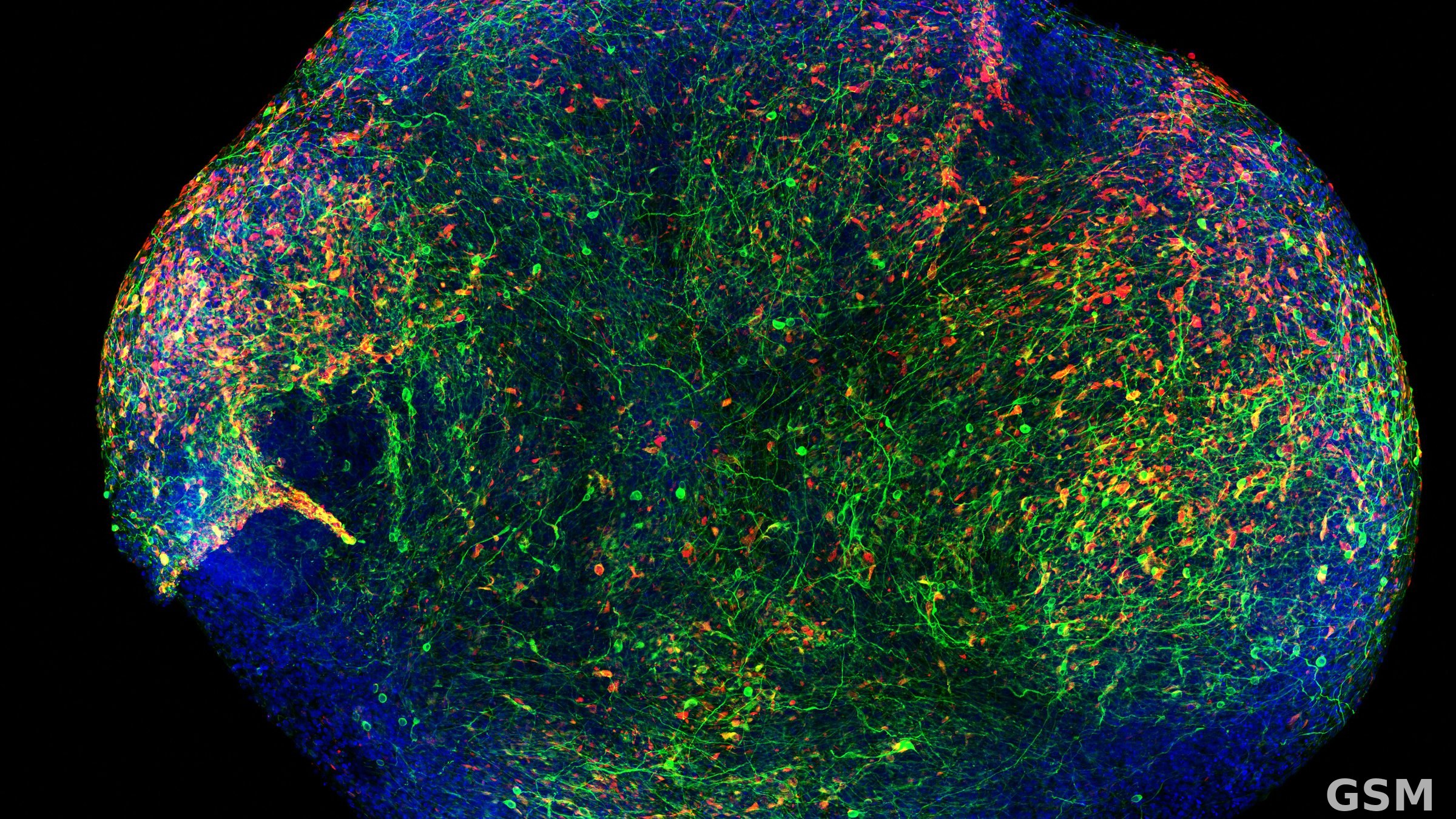
据该校发布,装置大小如一粒米、厚度如一张纸,设计目标是以比现有带外部电源的笨重刺激器更高效的方式处理疼痛性与致残性神经疾病。项目负责人、电气与计算机工程系(ECE)内尔姆斯新星讲席教授拜布哈布·查特吉(Baibhab Chatterjee)博士表示,人体具有导电性,团队正是利用人体在较低频率下的导电特性生成供能信号,通过人体发送无线数据信号或为器件供能。团队成员、ECE 助理教授亚当·哈利法(Adam Khalifa)博士表示,长远目标是把电刺激疗法做得更小、更微创、更易部署到全身各处;哈佛大学 BIONICs 实验室主任什里娅·斯里尼瓦桑(Shriya Srinivasan)博士也是团队成员。
该校称,这项研究源于 NIH 2024年授予哈利法的150万美元微创植入物拨款;新拨款使研究扩展到周围神经,即连接大脑与脊髓同皮肤、肌肉与内脏的神经。查特吉表示,团队计划通过啮齿动物模型的临床前研究及后续转化工作,实现无需大手术的精准神经定位与刺激,面向慢性疼痛、瘫痪与自主神经功能障碍等状况展开研究。上述均为团队陈述的研究目标,该装置尚未进入人体试验。
University of Florida in Gainesville, Florida Wins $1.8 Million NIH Award for a Rice-Sized, Battery-Free Neural Stimulator Powered by the Body: Injectable Devic
GAINESVILLE, Florida — The University of Florida announced on November 6 that the National Institutes of Health (NIH) has awarded $1.8 million to a UF engineering team developing a wireless, battery-less, injectable and minimally invasive neural stimulator powered by the patient's body. The R01 grant was presented in September.
According to the university, the device is about the size of a grain of rice and as thick as a piece of paper, and is designed to treat painful and debilitating nerve disorders more efficiently and effectively than existing, bulky neural stimulators with external power sources. Baibhab Chatterjee, PhD, the Nelms Rising Star Endowed Professor in the Department of Electrical & Computer Engineering (ECE) and the project's principal investigator, said the body is conductive, particularly at lower frequencies, and that the team is using these conductive properties to produce signals for power, sending wireless data signals or power signals through the body. Adam Khalifa, PhD, an ECE assistant professor and the department's Dean Wayne Chen Faculty Fellow, said the long-term vision is to make electrical stimulation therapies smaller, less invasive and easier to deploy throughout the body. Shriya Srinivasan, PhD, director of the BIONICs Lab at Harvard University, is also on the team.
The university states that the research evolved after NIH awarded Khalifa a $1.5 million grant in 2024 to develop minimally invasive implants, and that the new grant expands the research into peripheral nerves, which connect the brain and spinal cord to the rest of the body, including skin, muscles and internal organs. Chatterjee said the team plans preclinical studies in rodent models and subsequent translational efforts toward precise nerve targeting and stimulation without major surgery, for conditions such as chronic pain, paralysis and autonomic dysfunction. These are the team's stated research goals; the device has not entered human testing.
来源链接:佛罗里达大学发布(news.ufl.edu): https://news.ufl.edu/2026/11/neural-device/
—-
来源:佛罗里达大学
发布:GSM·美国(发布链接)
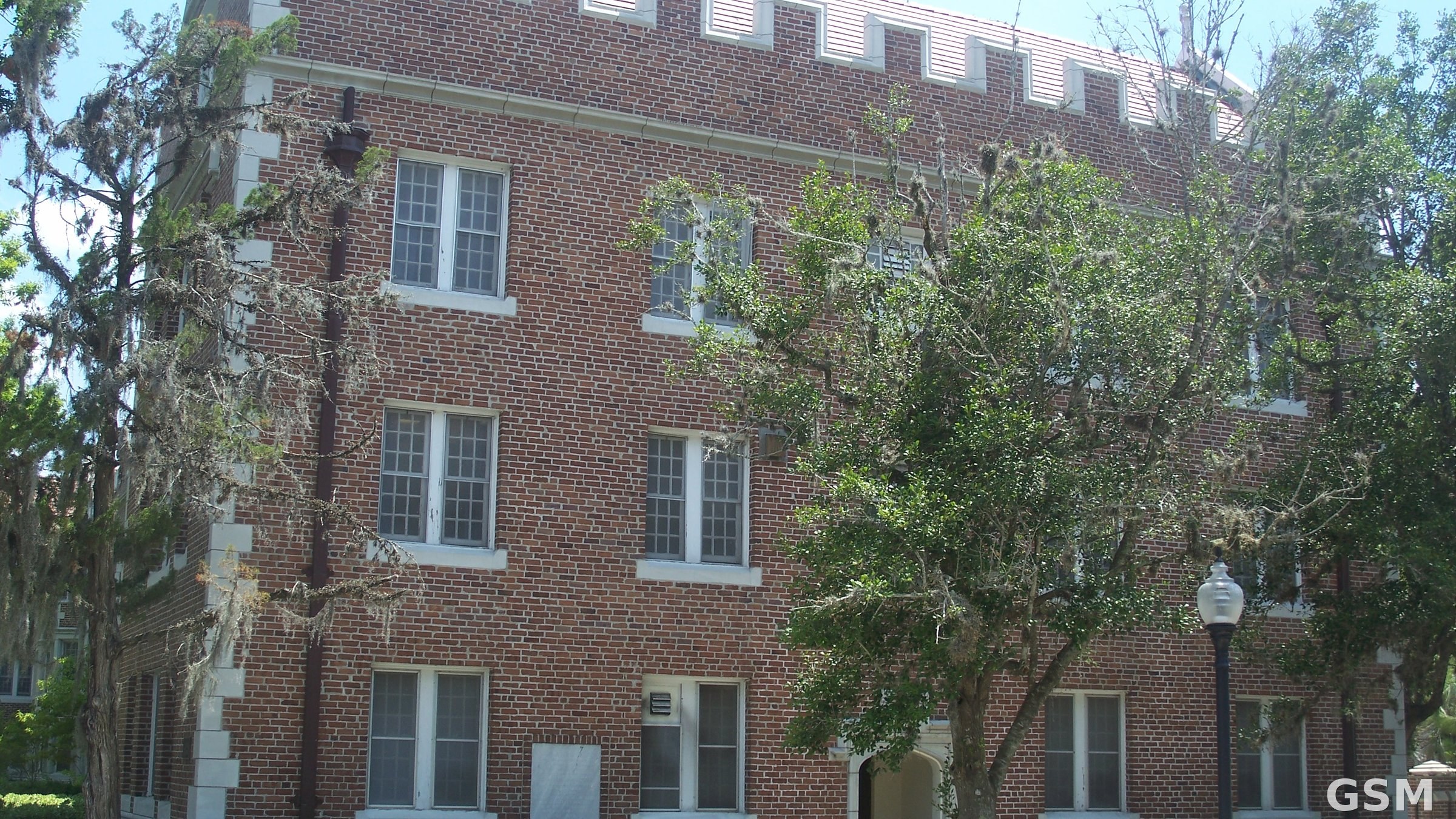
图片来源:佛罗里达大学校园(资料图)。(Wikimedia Commons/CC BY-SA 4.0)|The University of Florida campus (file photo). (Wikimedia Commons / CC BY-SA 4.0)
GSM Global · 本篇英文版 English edition of this story