证券交易委员会举行圆桌会讨论机器可读数据:15套免费数据集 财务报表数据使用量两年增逾五倍
2026年11月9日,美国证券交易委员会(SEC)在华盛顿举行「超级智能时代的机器可理解数据」圆桌会,讨论上市公司披露信息如何以结构化格式供机器读取与理解。会议由该委员会经济与风险分析部(DERA)的数据标准与创新办公室组织,科技与数据提供商、投资者、上市公司、从业者与学者参会。
委员会主席 Paul Atkins 在闭幕词中说,证券交易委员会目前免费向公众提供15套数据集,近年来需求明显增长,仅财务报表数据集的使用量在过去两年就增长了五倍多。他说,让公司已经披露的信息更易获取、更好用,往往比增加披露要求更能降低投资者获取与分析信息的成本;同时,披露信息的准确性、可比性以及网络安全与适当监管仍然必不可少。
委员 Mark Uyeda 在开幕词中说,如今文件的第一位读者越来越多是机器,量化模型、大语言模型等超级智能工具正以人无法比拟的速度与规模提取和解读披露信息。他回顾说,证券交易委员会自2009年起强制使用 XBRL 结构化数据格式,此后又推行内嵌式 XBRL 并把结构化要求扩展到更多申报文件;结构化数据有助于小公司获得研究分析覆盖、降低资本成本,本次会议也将讨论是否存在优于 XBRL 的新方法。
经济与风险分析部主任 Josh White 在开场时提出会议的三个问题:结构化数据给投资者与监管者带来哪些收益,制作、验证与使用可靠数据的成本与风险在哪里,以及实践中哪些做法有效、哪些无效。他说,让信息可被机器读取,不等于可被机器理解,系统还要能识别数字所代表的含义、在上下文中正确解读并作恰当比较。
Paul Atkins 在闭幕时表示,再先进的技术也取决于所用信息的质量,他鼓励市场参与者继续就数据与超级智能相关问题向证券交易委员会提供意见。(来源:美国证券交易委员会)
SEC Holds Roundtable on Machine-Understandable Data: Use of Free Financial Statement Data Set Up More Than Fivefold in Two Years
On November 9, 2026, the U.S. Securities and Exchange Commission (SEC) held a roundtable in Washington titled "Machine-Understandable Data in the Age of Super Intelligence," examining how corporate disclosures can be organized in structured formats that machines can read and understand. The event was organized by the Office of Data Standards and Innovation within the SEC's Division of Economic and Risk Analysis (DERA), with panelists drawn from technology and data providers, investors, operating companies, practitioners and academics.
In his closing remarks, Chairman Paul Atkins said the Commission makes 15 data sets available to the public free of cost and that demand has grown significantly in recent years, with use of the Financial Statement Data Set alone multiplying more than fivefold over the past two years. Making information that companies already disclose more accessible and useful, he said, can lower the cost of obtaining and analyzing financial information without imposing unnecessary burdens on issuers, while accuracy, comparability, cybersecurity and appropriate oversight remain essential.
In his opening remarks, Commissioner Mark Uyeda said the first reader of a filing is increasingly a machine, as quantitative models, large language models and other super-intelligence tools extract and interpret disclosures at a speed and scale humans cannot match. The Commission mandated XBRL starting in 2009, he noted, and has since required Inline XBRL and expanded structured data requirements to additional filings. Structured data helps smaller companies attract research analyst coverage and lowers their cost of capital, he said, and the roundtable would also consider whether new methods superior to XBRL exist.
Josh White, Director of the Division of Economic and Risk Analysis, framed the discussion around three questions: what benefits structured data bring to investors and regulators, where the costs and risks of producing, validating and using reliable data are greatest, and what is working in practice and what is not. Making information machine-readable, he said, is not the same as making it machine-understandable: a system must be able to identify what a number represents, interpret it in context and compare it appropriately.
Atkins closed by saying that even the most sophisticated technology depends on the quality of the information it uses, and encouraged market participants to keep engaging with the Commission on data and super intelligence. (Source: U.S. Securities and Exchange Commission)
来源:美国证券交易委员会
发布:GSM·美国(发布链接)
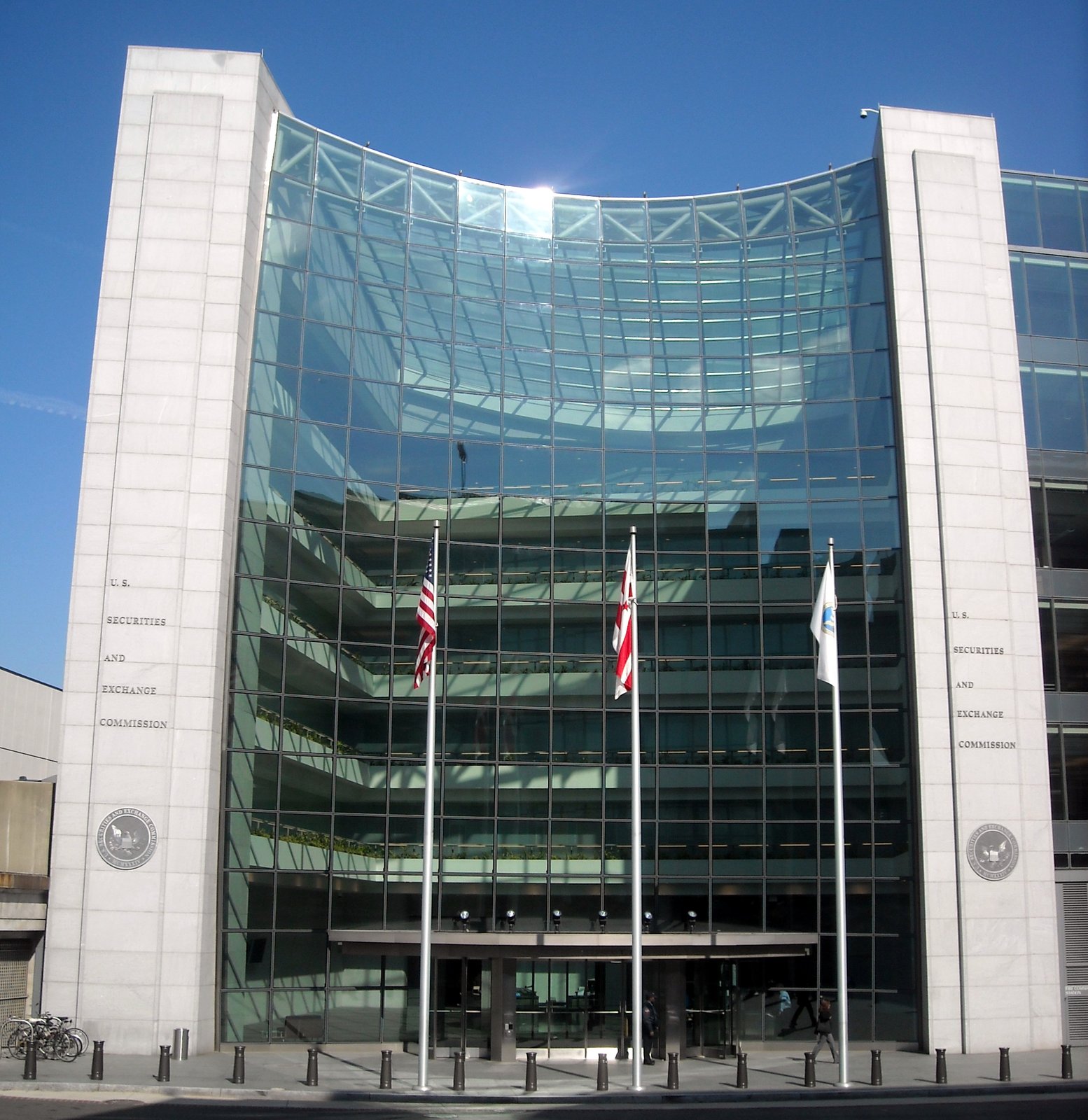
图片来源:图:美国证券交易委员会总部大楼正门。Wikimedia Commons 图片,CC BY-SA 3.0。 / Photo: Entrance of the U.S. Securities and Exchange Commission headquarters. Photo via Wikimedia Commons, CC BY-SA 3.0.
GSM Global · 本篇英文版 English edition of this story