马斯克:星链下一代激光链路每秒10太比特,称可与海底光缆竞争
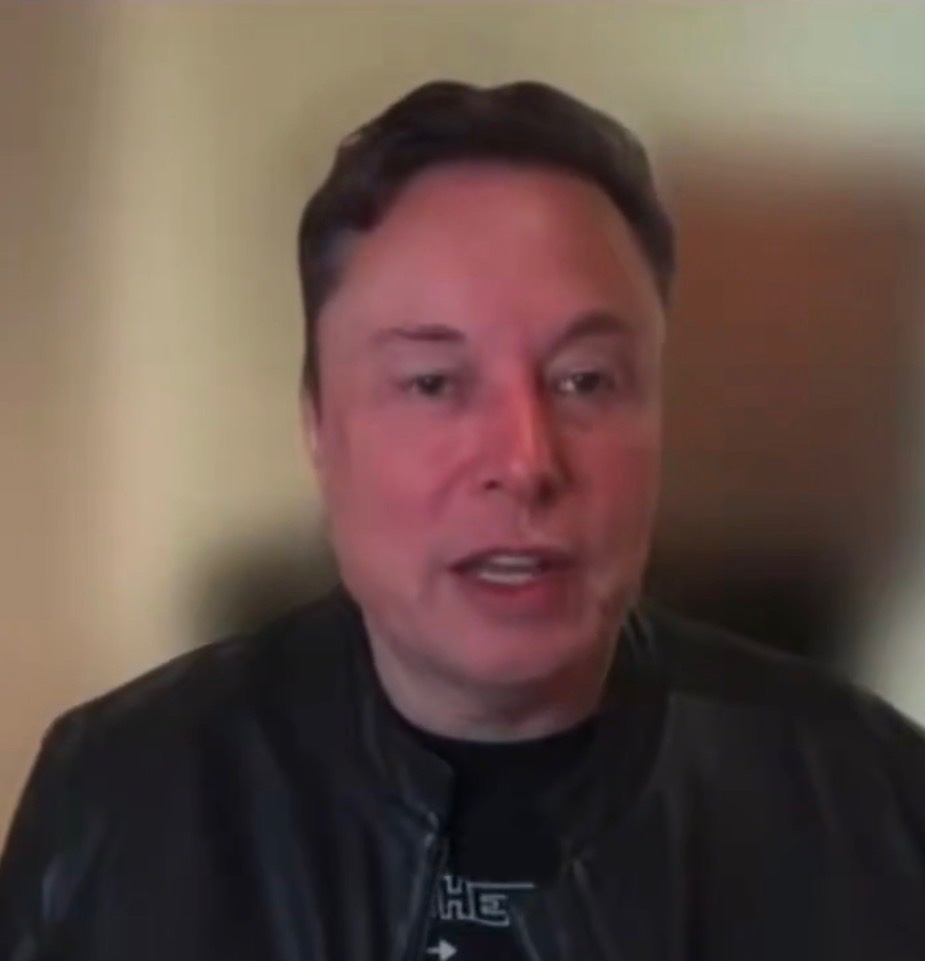
纽约 — SpaceX 首席执行官马斯克(Elon Musk)11 月 6 日在纽约林肯中心举行的第 33 届 Baron 投资大会上,以视频连线方式与 Baron Capital 创始人 Ron Baron 对谈时表示,星链(Starlink)现役卫星间激光链路的速率约为每秒 100 Gbps,下一代激光链路将达到每秒 10 太比特(10 Tbps),是现役的 100 倍。他随后在社交平台 X 发文称,如果每颗卫星搭载约 100 台这样的激光器、星座规模超过 10 万颗卫星,星链「应当能与海底光缆竞争」。
马斯克在对谈中说,星链第四代卫星的能力将是第三代的 10 倍,关键就在长距离激光链路:「我们现在的激光链路大约是每秒 100 Gbps,下一代激光链路将是每秒 10 太比特,快 100 倍,我们会装上 10 台。」需要注意两个限定:对谈里说的每星数量是 10 台,他在 X 帖文中说到的约 100 台是另一个数字;11 月 7 日他再补充说,每星 100 台要以激光器体积大幅缩小为前提,属于远景设想,不是已经定案的规格。SpaceX 至今没有公布第四代卫星的规格和时间表。
与这些目标对照,SpaceX 官网技术页给出的现役参数是:每颗星链卫星装有 3 台太空激光器(光学星间链路),单链速率最高 200 Gbps。马斯克在大会上称,星链目前在轨卫星约 1.1 万颗。也就是说,每秒 10 太比特、每星 10 台乃至 100 台激光器,仍是将来的设计目标,与现役系统之间至少隔着一代卫星。
海底光缆一侧的体量同样有据可查。国际电信联盟(ITU)的数据称,全球 99% 以上的国际数据流量由海底光缆承载,现有约 500 个海缆系统、全长约 170 万公里。TeleGeography 统计,2024 年全球实际使用的国际带宽已超过每秒 6.4 Pb(6.4 Pbps),一年增长 29%,约为 2020 年的三倍;美国联邦通信委员会(FCC)的统计经 TeleGeography 引用显示,卫星目前只占美国国际容量的 0.37%。有分析指出,马斯克帖子中的算法是把每台激光器的标称速率乘以激光器总数和卫星总数,是终端速率的简单相加,与海底光缆实际承载流量的口径并不相同,不能直接相比。
马斯克帖子中的另一个说法是物理事实:光在太空中的传播速度比在光缆中快约 40%,而且路径更直。光纤中的光速约为每秒 20 万公里,约为真空光速的三分之二,按此推算,太空激光在时延上确有大约四到五成的天然优势,长距离、低时延的流量最可能先被卫星网络切走。但以卫星目前不到 1% 的国际容量占比看,社交平台帖子所渲染的「海底光缆统治世界的时代要结束了」并不是现状:海底光缆仍在持续增建,TeleGeography 2026 年海缆地图收录的系统已达 694 个。星链激光网能不能真正挑战海底光缆,要等第四代卫星上天之后才见分晓。
Musk: Starlink's Next-Gen Laser Links to Reach 10 Terabits per Second, Says They Can Rival Subsea Cables
NEW YORK — Speaking by video link at the 33rd Annual Baron Investment Conference in New York on November 6, SpaceX CEO Elon Musk told Baron Capital founder Ron Baron that Starlink's current inter-satellite laser links run at around 100 gigabits per second, and that the next generation will reach 10 terabits per second — 100 times faster. In a post on X the same day, Musk wrote that with roughly 100 such lasers aboard each of more than 100,000 satellites, Starlink "should be able to outcompete undersea cables."
In the conversation, Musk said Starlink's fourth-generation satellite will have ten times the capability of the third, driven by long-distance laser links: "Our current laser links are around a hundred gigabits a second. Our next generation laser links will be 10 terabits a second, a hundred times better, and we'll put 10 of them on." Two qualifications matter: the per-satellite figure he gave on stage was ten, not the roughly 100 in his X post; and in a November 7 follow-up he said reaching 100 lasers per satellite would depend on shrinking the lasers substantially — an aspiration, not a fixed specification. SpaceX has published no specifications or timetable for a fourth-generation satellite.
Against those targets, SpaceX's official technology page lists the current system: each Starlink satellite carries three space lasers (optical inter-satellite links) operating at up to 200 Gbps. Musk said at the conference that about 11,000 Starlink satellites are now in orbit. The 10-terabit links, with ten or even a hundred lasers per satellite, remain a design goal at least one satellite generation away.
The undersea incumbents are quantified just as clearly. According to the International Telecommunication Union (ITU), more than 99% of international data traffic travels over submarine cables — some 500 systems totaling about 1.7 million kilometers. TeleGeography puts used international bandwidth above 6.4 petabits per second in 2024, up 29% in a year and roughly triple the 2020 level; FCC figures cited by TeleGeography give satellites just 0.37% of U.S. international capacity. Analysts note that the arithmetic in Musk's post simply multiplies each laser terminal's nameplate rate by the number of lasers and satellites — a different measure from the traffic cables actually carry, and not a like-for-like comparison.
One part of Musk's post is plain physics: he wrote that the speed of light in space is about 40% faster than in cable, and that the path is more direct. Light travels through fiber at roughly 200,000 kilometers per second, about two-thirds of its vacuum speed, which works out to a latency edge of roughly 40 to 50 percent for space lasers; long-haul, latency-sensitive traffic is the segment satellites would most plausibly take first. But with satellites carrying well under 1% of international capacity today, social-media claims that the era of undersea cables is ending do not describe the present: cables are still being built, and TeleGeography's 2026 map already counts 694 systems. Whether Starlink's laser mesh can truly challenge them awaits a fourth-generation satellite that has yet to fly.
来源:Baron 投资大会
发布:GSM·美国(发布链接)
图片来源:图:马斯克11月6日以视频连线方式出席第33届 Baron 投资大会时发言。大会直播视频截图。 / Photo: Elon Musk speaking by video link at the 33rd Annual Baron Investment Conference on November 6. Still from the conference livestream.
GSM Global · 本篇英文版 English edition of this story