俄亥俄州汉考克县繁殖场交出1100多只南美栗鼠:约800只曾藏于另一栋建筑多年未受检查
美国司法部11月3日公告,俄亥俄州汉考克县(Hancock County)杰内拉(Jenera)一间南美栗鼠(chinchilla,俗称龙猫)繁殖场的场主,已按联邦法院11月2日批准的同意令,交出场内剩余的300多只南美栗鼠;此前该公司已按修改后的临时限制令自愿交出约800只,合计超过1,100只。涉事企业为R & R Chinchilla公司,繁殖南美栗鼠超过40年,场主为詹姆斯·F·里特斯帕赫(James F. Ritterspach)。南美栗鼠体型小、毛皮浓密柔软,体重约一至两磅,属异宠类宠物。
司法部公告引述农业部动植物卫生检验局(APHIS)的记录称,自2022年9月以来,检查人员对该设施检查18次,过去四年累计记录59项违反《动物福利法》的行为。诉状称,里特斯帕赫向检查人员谎称场内只有300至450只动物,实际上多年间将约800只藏在另一栋建筑中以逃避检查。今年8月5日,检查人员进入该建筑,发现数百只动物处境恶劣:有动物的眼睛肿胀、流脓到无法睁开,数百个笼舍的地面被粪便覆盖,氨气浓度高到检查人员咳嗽不止、被迫离场,鼠药包装就放在饲养笼旁,一只动物的金属项圈已深深勒进颈部,还有多只已经死亡。检查人员称,那栋建筑的状况是他们检查过的所有设施中最差的。
司法部能源与自然资源司首席副助理司法部长亚当·古斯塔夫森(Adam Gustafson)表示:"持有联邦执照的动物繁殖者和饲养者,有义务遵守国会确立的基本标准,为动物提供清洁的饮水、充足的食物和住所,以及足够的兽医护理。"APHIS动物护理项目副局长伯纳黛特·华雷斯(Bernadette Juarez)说:"在多次检查中,APHIS检查人员记录下这间设施令人深感不安的状况,包括动物患有未获治疗的疾病、粪便大量堆积,以及约800只南美栗鼠被藏在另一栋多年未接受检查的建筑里。"
结果方面,里特斯帕赫同意永久停止一切受《动物福利法》规管的活动,其执照被农业部永久吊销。动物福利组织"人道世界动物保护协会"(Humane World for Animals)应司法部请求参与转移:10月13日起两天内转移642只,11月3日再转移最后的309只,共951只,送往未公开的地点救治。该组织称,兽医检查发现许多动物毛发严重打结、皮肤发炎、牙齿过长,并有结痂、溃疡和尿液灼伤,有的还缺失肢体、脚趾或耳朵。(来源:美国司法部)
Ohio Breeder in Hancock County Surrenders More Than 1,100 Chinchillas: About 800 Had Been Hidden in a Second Building for Years; 951 Removed for Care
The U.S. Department of Justice announced on November 3 that the owner of a chinchilla breeding facility in Jenera, Hancock County, Ohio, has surrendered the more than 300 chinchillas remaining at the facility under a consent decree endorsed by the federal court on November 2. The company had earlier voluntarily surrendered roughly 800 more under a modified temporary restraining order, bringing the total to more than 1,100 animals. The business, R & R Chinchilla Inc., has bred chinchillas for over 40 years; its president is James F. Ritterspach. Chinchillas are small animals with dense, soft fur, weighing one to two pounds, and are categorized as exotic pets.
According to the Justice Department, citing records of the USDA's Animal and Plant Health Inspection Service (APHIS), inspectors conducted 18 inspections of the facility since September 2022 and documented 59 Animal Welfare Act violations within the past four years. The complaint alleged that Ritterspach falsely represented to inspectors that he had between 300 and 450 animals, while for years concealing about 800 additional animals in a separate building to avoid inspection. On August 5, inspectors gained access to that building and found hundreds of animals in dire conditions: animals whose eyes were so swollen and oozing with discharge that they could not open them; fecal material covering the entire floor of hundreds of enclosures; ammonia levels so high that inspectors coughed to the point of having to leave the building; open packets of rat poison kept right next to occupied enclosures; a metal collar embedded in one animal's neck; and multiple dead animals. Inspectors said the building was in worse condition than any facility they had ever inspected.
"Animal breeders and caretakers that are federally licensed have an obligation to comply with basic standards Congress established to provide clean water, adequate food and housing, and sufficient veterinary care to their animals," said Adam Gustafson, Principal Deputy Assistant Attorney General of the Justice Department's Energy and Natural Resources Division. Bernadette Juarez, Deputy Administrator of APHIS's Animal Care program, said: "Over multiple inspections, APHIS inspectors documented deeply troubling conditions at this facility, including animals with untreated medical conditions, excessive fecal accumulation, and the concealment of approximately 800 additional chinchillas in a second structure that had been withheld from inspection for years."
Under the decrees, Ritterspach agreed to permanently cease any further Animal Welfare Act-regulated activity, and USDA permanently revoked his license. At the Justice Department's request, Humane World for Animals helped remove the animals: 642 over two days beginning October 13, and the final 309 on November 3 — 951 in total — taken to an undisclosed location for treatment and exams. The organization said veterinary exams found many animals suffering from severely matted fur, inflamed skin, overgrown teeth, scabs, sores and urine scalding, and that some were missing limbs, toes or ears. (Source: U.S. Department of Justice)
来源:美国司法部
发布:GSM·美国(发布链接)
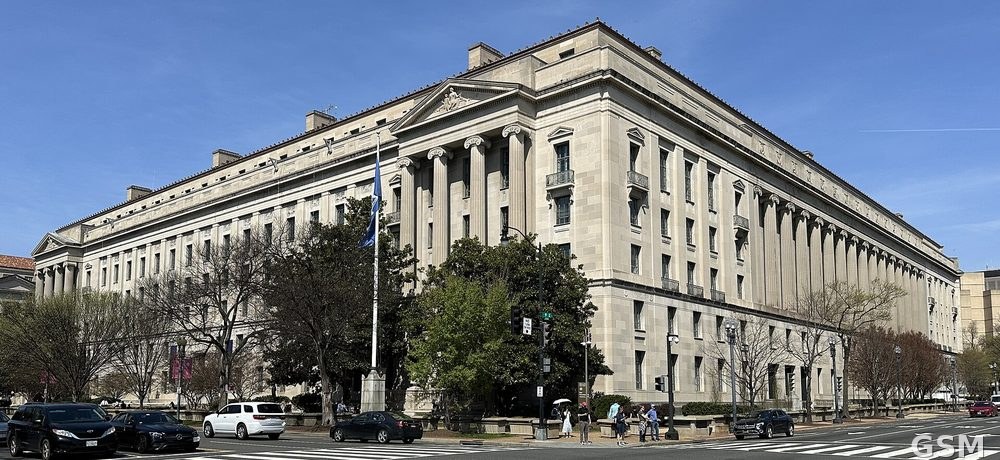
图片来源:图:美国司法部总部大楼。美国司法部图片。 / Photo: U.S. Department of Justice headquarters. Image from the U.S. Department of Justice.
GSM Global · 本篇英文版 English edition of this story