《科学报告》11月6日论文:996名美国成年人调查显示自选择偏差阻碍电动汽车普及,非车主高估充电时间障碍,普渡与莱斯团队发表
《科学报告》11 月 6 日发表 Hamim、Gazmeh、Reimer 等作者的论文《自选择偏差阻碍电动汽车普及》。研究分析了 996 名美国成年人的调查数据,受访者包括非电动汽车用户、插电式混合动力汽车(PHEV)用户与纯电动汽车(BEV)用户,并用一个考虑自选择偏差的计量模型,评估用户对充电站充电时间相关特征重要性的感知。作者单位包括印第安纳州西拉法耶特的普渡大学莱尔斯土木与建筑工程学院、佛罗里达州彭萨科拉的西佛罗里达大学,以及德克萨斯州休斯顿的莱斯大学。
结果方面,论文报告,现 PHEV 用户与现 BEV 用户的估计处理效应分别为负 0.920 与负 0.975,表示在实际采用状态下,他们对充电时间特征重要性的感知低于其假想的未采用电动汽车的反事实状态。平均而言,从非电动汽车状态转到 PHEV 或 BEV 状态,会使感知重要性分别显著下降 0.442 与 0.076。选择模型对电动汽车组别的分类具有预测表现。
作者据此写道,自选择偏差会放大非电动汽车用户感知到的障碍,从而阻碍电动汽车的采用:尚未开上电动汽车的人倾向于把充电时间问题看得更重,而已经采用的人在实际使用状态下给出的评价明显更低。论文于 2026 年 6 月 30 日收稿、11 月 6 日发表,为正式发表的同行评审论文;效应数值均为模型估计结果,口径以论文正文为准。
Scientific Reports Paper of November 6: A Survey of 996 U.S. Adults Finds Self-Selection Bias Impedes Electric Vehicle Adoption, From Purdue and Rice Teams
A paper published in Scientific Reports on November 6 by Hamim, Gazmeh, Reimer and colleagues, titled "Self-selection bias impedes electric vehicle adoption," analyzes survey data from 996 U.S. adults, including non-EV, plug-in hybrid EV (PHEV) and battery EV (BEV) users, using an econometric model that accounts for self-selection bias in evaluating users' perceived importance of charging time-related features at EV charging stations. Affiliations include Purdue University's Lyles School of Civil and Construction Engineering in West Lafayette, Indiana, the University of West Florida in Pensacola, Florida, and Rice University in Houston, Texas.
The estimated treatment effects for current PHEV and BEV users are −0.920 and −0.975 respectively, indicating lower perceived importance under their observed EV adoption states relative to their estimated counterfactual non-EV states. On average, transitioning from non-EV status to PHEV or BEV status significantly decreases perceived importance by 0.442 and 0.076 respectively. The selection model showed predictive performance in classifying EV groups.
The authors conclude that self-selection bias can impede EV adoption by amplifying perceived barriers among non-EV users: people who have not yet adopted an EV tend to rate charging-time concerns more heavily, while adopters rate them markedly lower in their actual state. The paper was received on June 30, 2026 and published on November 6, 2026 as a peer-reviewed article; the effect sizes are model estimates as reported in the paper.
来源:《科学报告》
发布:GSM·美国(发布链接)
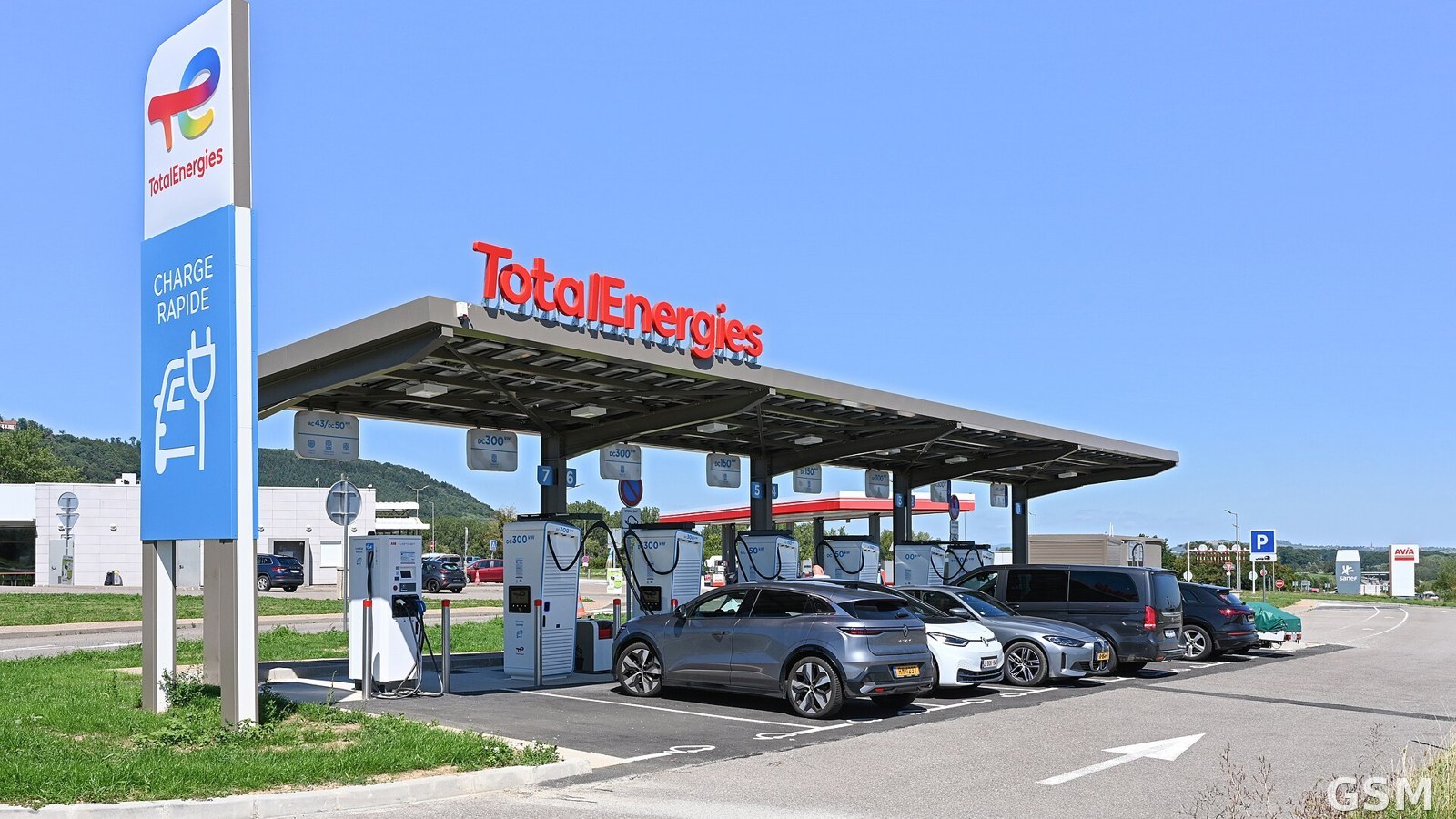
图片来源:图:电动车充电站。Cayambe 摄,CC BY-SA 4.0,经 Wikimedia Commons。 / Photo: An electric vehicle charging station. Photo by Cayambe, CC BY-SA 4.0, via Wikimedia Commons.
GSM Global · 本篇英文版 English edition of this story