COP31气候大会11月9日在安塔利亚开幕:190多国与会至11月20日,各国新计划仅指向2035年减排6%,与1.5摄氏度路径所需60%差距悬殊
第31届联合国气候变化大会(COP31)将于11月9日在土耳其安塔利亚开幕,持续至11月20日,190多个国家的代表团将与会。土耳其担任大会主席国,土耳其环境、城市化与气候变化部长穆拉特·库鲁姆(Murat Kurum)任大会主席;澳大利亚气候变化与能源部长克里斯·鲍恩(Chris Bowen)任谈判主席,主持正式谈判。世界领导人峰会定于11月11日至12日举行。这一土澳分工的安排是在上一届大会上、两国申办竞争之后达成的。
大会开幕前摆在桌面上的核心数字来自联合国10月27日公布的综合评估:154个缔约方提交的127份新国家气候计划,覆盖2019年全球排放量的约71%,指向2035年排放量平均比2019年低6%,区间为0至12%;若计入有条件承诺,约为9%。而与1.5摄氏度目标一致的路径需要到2035年减排约60%。按当前计划推算,全球升温幅度约为1.7至2.3摄氏度。COP31 谈判主席与主席团在致缔约方的第四封信中表示,全球很可能在数年内超过1.5摄氏度,最佳情形下峰值约为1.8摄氏度。
本届大会的议程集中在五条线。一是资金:新的集体量化目标(NCQG)的落实、气候资金工作方案,以及《巴黎协定》关于资金流向的条款如何处理。二是适应:各方已承诺将适应资金增至三倍,贝伦适应指标与「贝伦—亚的斯愿景」的工作继续推进;联合国环境规划署最新的《适应差距报告》估算,发展中国家每年的适应资金需求约为3050亿美元,远高于当前流量(数字以报告正文为准)。三是公正转型机制:去年大会同意设立支持化石燃料行业工人与社区转型的机制,本届须决定其职能与治理结构。四是减缓:减缓工作方案迄今产出有限,主席国希望把电气化列为优先事项。五是损失与损害基金预计迈向首批资金申请,第二轮全球盘点也将启动。
现实经济层面的背景数字是:据联合国数据,2025年电动汽车约占新车销量的四分之一,预计2026年达到28%;2025年全球新增太阳能装机超过600吉瓦,电池储能容量已达2021年的11倍。但中国之外的新兴经济体获得的清洁能源投资份额仅约18%,非洲仍有约6亿人无电可用。
大会尚未开幕,本文不预断任何谈判结果。最终决定取决于两周谈判,部长们通常在会议最后阶段到场处理最难的取舍。
COP31 Climate Talks Open November 9 in Antalya: More Than 190 Countries Meet Through November 20, While New National Plans Point to Just a 6% Emissions Cut by 2035 Against the 60% a 1.5°C Pathway Requires
The 31st UN climate conference, COP31, opens in Antalya, Türkiye, on November 9, 2026, and runs until November 20, with delegations from more than 190 countries due to take part. Türkiye is the host and holds the presidency, with Environment, Urbanization and Climate Change Minister Murat Kurum serving as conference president, while Australian Climate Change and Energy Minister Chris Bowen leads the formal negotiations as President of Negotiations. A World Leaders' Summit is scheduled for November 11 and 12. The shared arrangement was agreed at the previous conference after the two countries' rival hosting bids.
The central figures on the table come from a UN synthesis published on October 27. The 127 new national climate plans submitted by 154 Parties, covering about 71% of 2019 global emissions, point to 2035 emissions on average 6% below 2019 levels, within a range of 0 to 12%. If conditional pledges are counted, the figure is about 9%. A pathway consistent with 1.5°C needs a cut of about 60%. On current plans warming is put at about 1.7 to 2.3°C. In their fourth letter to Parties, the COP31 President of Negotiations and the Presidency team say the world is likely to exceed 1.5°C within a few years, with a peak of about 1.8°C in the best case.
Five negotiating tracks dominate the agenda. First, finance: delivery of the New Collective Quantified Goal on climate finance, a climate finance work programme, and how the Paris Agreement's provisions on aligning finance flows relate to those on what developed countries owe. Second, adaptation: Parties have committed to tripling adaptation finance, and work on the Belém Adaptation Indicators and the Belém-Addis Vision continues; the UN Environment Programme's latest Adaptation Gap Report put the annual need for developing countries at about $305 billion, well above current flows. Third, the just transition mechanism agreed last year to support workers and communities moving away from fossil fuels, whose functions and governance Antalya must decide. Fourth, mitigation: the Mitigation Work Programme has so far produced few commitments, and the presidency wants electrification treated as a priority. Fifth, the Fund for responding to Loss and Damage is expected to move towards its first funding requests, and the second global stocktake also begins.
Background figures from the real economy, according to the UN: electric vehicles were about one in four new cars sold in 2025 and are expected to reach 28% in 2026; more than 600 GW of solar was installed in 2025, and global battery capacity is 11 times the level of 2021. The benefits are unevenly shared: emerging economies outside China receive only about 18% of clean energy investment, and about 600 million people in Africa remain without electricity.
The conference has not yet opened, and no agreement should be presented as having been reached. Any final decisions will depend on negotiations throughout the two-week meeting, with ministers usually arriving for the final days.
来源:联合国气候变化框架公约秘书处
发布:GSM·美国(发布链接)
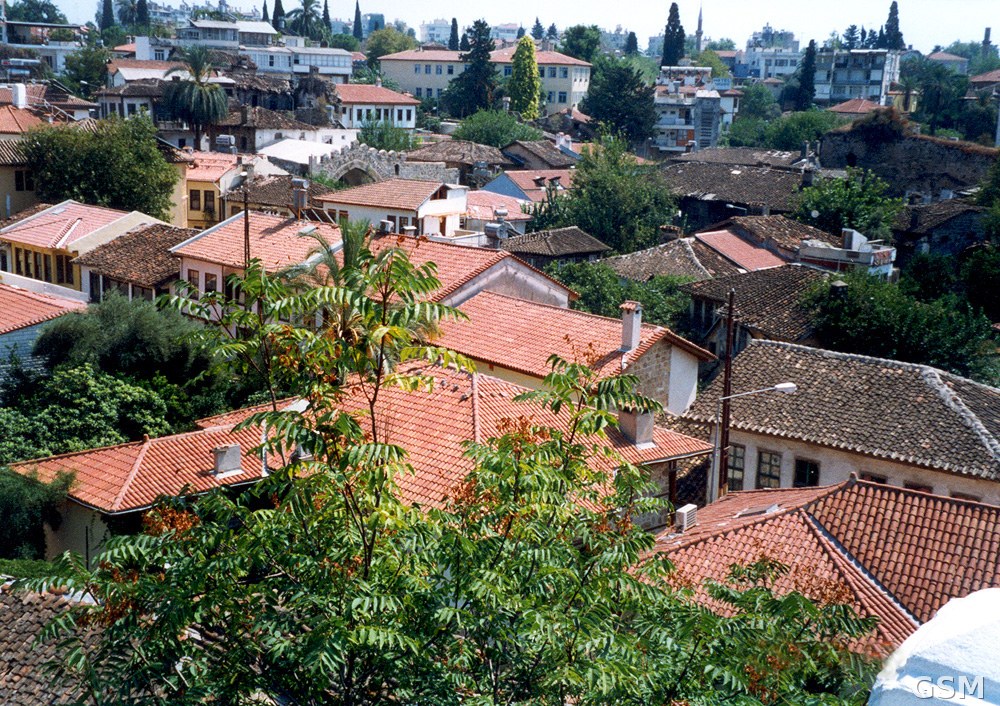
图片来源:图:土耳其安塔利亚(资料图)。照片:Pixie,经 Wikimedia Commons(CC BY-SA 3.0)。 / Photo: Antalya, Türkiye (file photo). Pixie, via Wikimedia Commons (CC BY-SA 3.0).
GSM Global · 本篇英文版 English edition of this story