阿拉莫战场出土四枚近200年炮弹:青铜三枚、铁质一枚,首枚发现于190周年纪念前一天
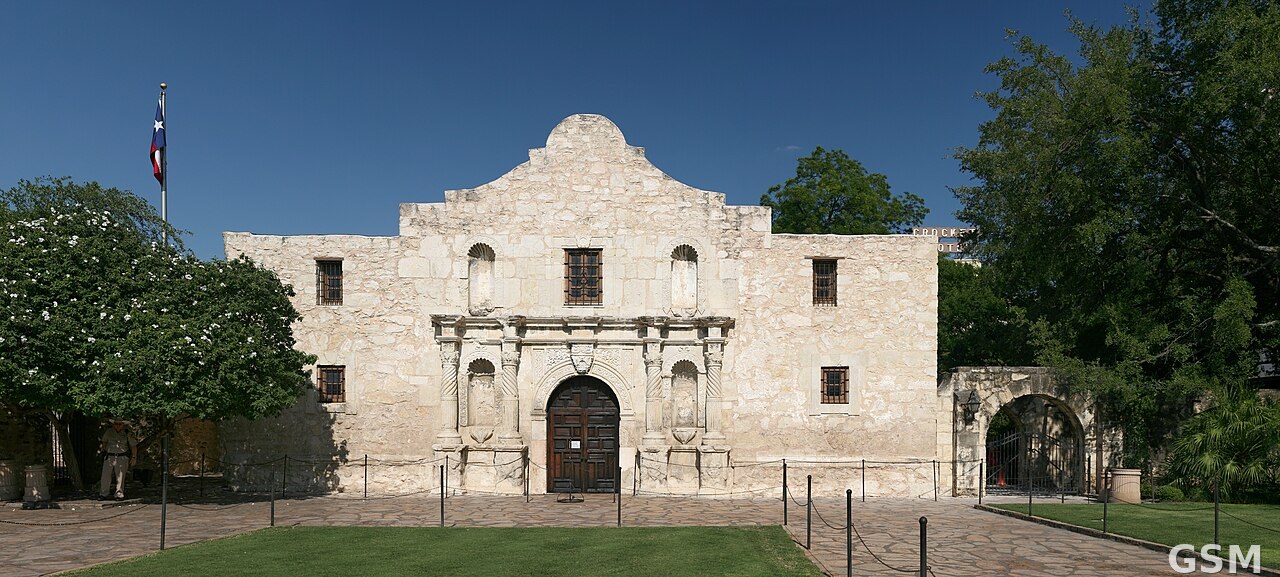
德克萨斯州圣安东尼奥的阿拉莫信托基金会考古队在阿拉莫教堂周边进行了 18 个月的发掘,出土了四枚与 1836 年阿拉莫战役有关的实心炮弹。发掘工作 2025 年 3 月开始、2026 年 10 月结束,考古队估计整个项目共出土 50 万至 75 万件文物。四枚炮弹均发现于教堂东北角外、地下约 2.5 至 3 英尺处。
阿拉莫信托基金会表示,根据周围土层、炮弹种类与尺寸,以及已知在阿拉莫战役期间出现的火炮口径,历史学家认为四枚炮弹均可追溯至 1836 年为期 13 天的围攻与战役。炮弹的材质可能揭示开火的一方:按阿拉莫信托基金会历史学家的说法,青铜炮弹通常由墨西哥军队使用,铁质炮弹则与德克萨斯一方有关。
四枚炮弹各有尺寸与口径记录。第一枚于 2026 年 3 月 5 日发现—恰在战役 190 周年纪念日前一天,由青铜制成,直径 2.97 英寸,对应 4 磅炮。第二枚于 6 月发现,由铁制成,直径 3.28 英寸,对应 6 磅炮。第三枚为青铜,直径 1.8 英寸,对应 1 磅炮;第四枚同样为青铜,直径 3.26 英寸,对应 6 磅炮。
阿拉莫教堂是 1836 年阿拉莫战役仅存的两座建筑之一,也是这次大规模发掘的对象。除了炮弹,考古队还发现了茶壶、叉子、勺子与瓶子等日常用品。阿拉莫考古主任蒂芙尼·林德利博士在新闻稿中说:“拿着一段历史、握在手里,想到上一个触摸它的人可能在战役中死去,这份情感分量很重。”她还说:“这场战役不只是一个事件,这些人是活生生的人,他们在来到战役之前有自己的生活,他们的家人在他们之后继续生活,记住这些人,这才是最重要的。”
阿拉莫战役是德克萨斯革命的一部分。1835 年德克萨斯革命爆发后,墨西哥总统兼将军安东尼奥·洛佩斯·德·桑塔·安纳派兵镇压起义、夺回圣安东尼奥。1836 年 2 月 23 日,墨西哥军队包围阿拉莫,约 200 名德克萨斯守军坚守 13 天;3 月 6 日,桑塔·安纳的军队攻入阿拉莫,几乎全部守军阵亡。守军的抵抗成为德克萨斯独立的集结口号:“记住阿拉莫!”
Four Cannonballs From the Battle of the Alamo Unearthed After Nearly 200 Years: Three Bronze, One Iron
Archaeologists with the Alamo Trust have unearthed four battle-era cannonballs during an 18-month excavation along the perimeter of the Alamo Church in San Antonio, Texas. The excavation began in March 2025 and concluded in October 2026. The archaeology team estimates that between 500,000 and 750,000 artifacts were unearthed during the project. All four cannonballs were found outside the northeast corner of the Alamo Church, approximately 2? to 3 feet below the surface.
According to the Alamo Trust, historians link all four projectiles to the 13-day Siege and Battle of the Alamo in 1836, based on the surrounding soil layers, the types of cannonballs and the sizes of cannons known to have been present during the battle. The material of each cannonball may reveal which side fired it: bronze cannonballs were typically used by the Mexican army, while the iron cannonball is associated with the Texan side, according to Alamo Trust historians.
Each cannonball was measured and matched to a cannon size. The first was found on March 5, 2026 — one day before the 190th anniversary of the battle. Made of bronze, it measures 2.97 inches in diameter and corresponds to a 4-pounder cannon. A second cannonball, discovered in June, is made of iron, measures 3.28 inches in diameter and corresponds to a 6-pounder cannon. The third is bronze, measures 1.8 inches in diameter and corresponds to a 1-pounder cannon. The fourth is also bronze, measures 3.26 inches in diameter and corresponds to a 6-pounder cannon.
The Alamo Church is one of two surviving structures from the 1836 Battle of the Alamo and the focus of the large-scale excavation. In addition to the cannonballs, archaeologists found everyday items, including a tea kettle, forks, spoons and bottles. "Having a piece of history and holding it in your hand, when the last person who touched this possibly died during the Battle, that carries a lot of emotional weight to it," Dr. Tiffany Lindley, the Alamo's Director of Archaeology, said in a press release. "The Battle was not just an event," she added. "These were people. They had lives before they came to the Battle. They had families that lived after them. And remembering those individuals, that's what's important."
The battle was part of the Texas Revolution. After the revolution began in 1835, Mexican President and General Antonio López de Santa Anna sent troops to crush the uprising and retake San Antonio, where Texian forces occupied the Alamo. Mexican forces surrounded the mission on February 23, 1836, and roughly 200 Texian defenders held out for 13 days before Santa Anna's army stormed the Alamo on March 6. Nearly all the defenders were killed, but their resistance became the rallying cry for Texas independence: "Remember the Alamo!"
来源:阿拉莫信托基金会
发布:GSM·美国(发布链接)
图片来源:图:位于德克萨斯州 San Antonio 的阿拉莫教堂,Daniel Schwen 摄,CC BY-SA,来源 Wikimedia Commons。The Alamo Church in San Antonio, Texas. (Daniel Schwen, CC BY-SA, via Wikimedia Commons)
GSM Global · 本篇英文版 English edition of this story