NASA 选中 Astranis 接棒中继卫星:合同最高2.643亿美元,为退役中的 TDRS 舰队提供 Ka 波段中继
卫星公司 Astranis 11月6日宣布,已被美国国家航空航天局(NASA)选中参与其「用户连续性与可持续性网络扩展」计划(NEXUS)的初期阶段,开发一套商用 Ka 波段中继能力,在地球同步轨道上的跟踪与数据中继卫星(TDRS)舰队逐步退役之际,让沿用旧中继的任务继续保持连接。这份合同的最高潜在价值为2.643亿美元,体现 NASA 转向以商用服务替代政府自有系统的路线。
NEXUS 旨在支持 NASA 逐步退役 TDRS 舰队、未来改用商用服务的决定。沿用 TDRS 的任务难以更换通信硬件、也难以切换到不兼容的商用服务,因此需要向后兼容的 Ka 波段中继支持。根据这份固定总价合同,NASA 资助的是初期概念开发与风险降低工作:初期阶段执行期为2026年11月4日至2027年5月3日,后续阶段将延续至2029年。
整个 NEXUS 采购按完整服务构建,涵盖空间与地面系统、发射与部署、在轨演示以及未来的运营服务阶段。NASA 的目标是获得能够支持现有任务至少15年的向后兼容 Ka 波段中继服务。该计划由 NASA 空间通信与导航(SCaN)部门下设的通信服务项目推进,Astranis 与 NASA 另有一份无偿《空间法》协议下的合作关系。
Astranis 首席执行官兼联合创始人 John Gedmark 表示,让 NASA 最重要的任务保持连接,需要有韧性、经过验证且经久耐用的基础设施;NEXUS 把该公司的生产能力用于为 NASA 服务,所用的正是为商用客户设计的同款双用途航天器平台。
Astranis 总部位于北加州,设计与运营自家卫星,在轨卫星已在为全球客户服务,商用合同积压超过10亿美元,累计融资逾12亿美元,拥有约500名工程师与创业人员。
NASA Selects Astranis to Succeed Its Relay Satellites: Contract Worth Up to $264.3 Million for Ka-Band Relay as the TDRS Fleet Retires
Satellite company Astranis announced on November 6 that NASA has selected it for the initial phase of the Network Extension for User Continuity and Sustainability (NEXUS) initiative, to develop a commercial Ka-band relay capability supporting legacy relay users so existing missions can continue to operate as the Tracking and Data Relay Satellite (TDRS) fleet in geosynchronous orbit is retired. The contract has a maximum potential value of $264.3 million and supports NASA's adoption of a commercial services model instead of a government-owned system.
NEXUS supports NASA's decision to gradually retire its TDRS fleet and adopt commercial services for future missions. Legacy TDRS users cannot practically alter their communications hardware or switch to incompatible commercial services, and require backward-compatible Ka-band relay support to stay connected. Under the firm-fixed-price contract, NASA is funding initial concept development and risk reduction: the initial phase runs from November 4, 2026 through May 3, 2027, with follow-on phases extending the work through 2029.
The NEXUS acquisition is structured as a complete service, including space and ground systems, launch and deployment, an on-orbit demonstration and a future operational service phase. NASA's objective is to acquire backward-compatible Ka-band relay services capable of supporting existing missions for at least 15 years. The initiative is facilitated through the Communications Services Project within NASA's Space Communications and Navigation (SCaN) program, through which Astranis is also partnered with NASA under a nonreimbursable Space Act Agreement.
John Gedmark, CEO and cofounder of Astranis, said keeping NASA's most important missions connected takes infrastructure that is resilient, proven and built to last, and that NEXUS puts the company's production capacity to work for NASA using the same dual-use spacecraft platforms designed to serve its commercial customers.
Astranis designs, builds and operates its satellites from its headquarters in Northern California. Its satellites are on orbit serving customers around the world, with a commercial contract backlog of more than $1 billion, more than $1.2 billion raised, and a team of about 500 engineers and entrepreneurs.
来源:Astranis
发布:GSM·美国(发布链接)
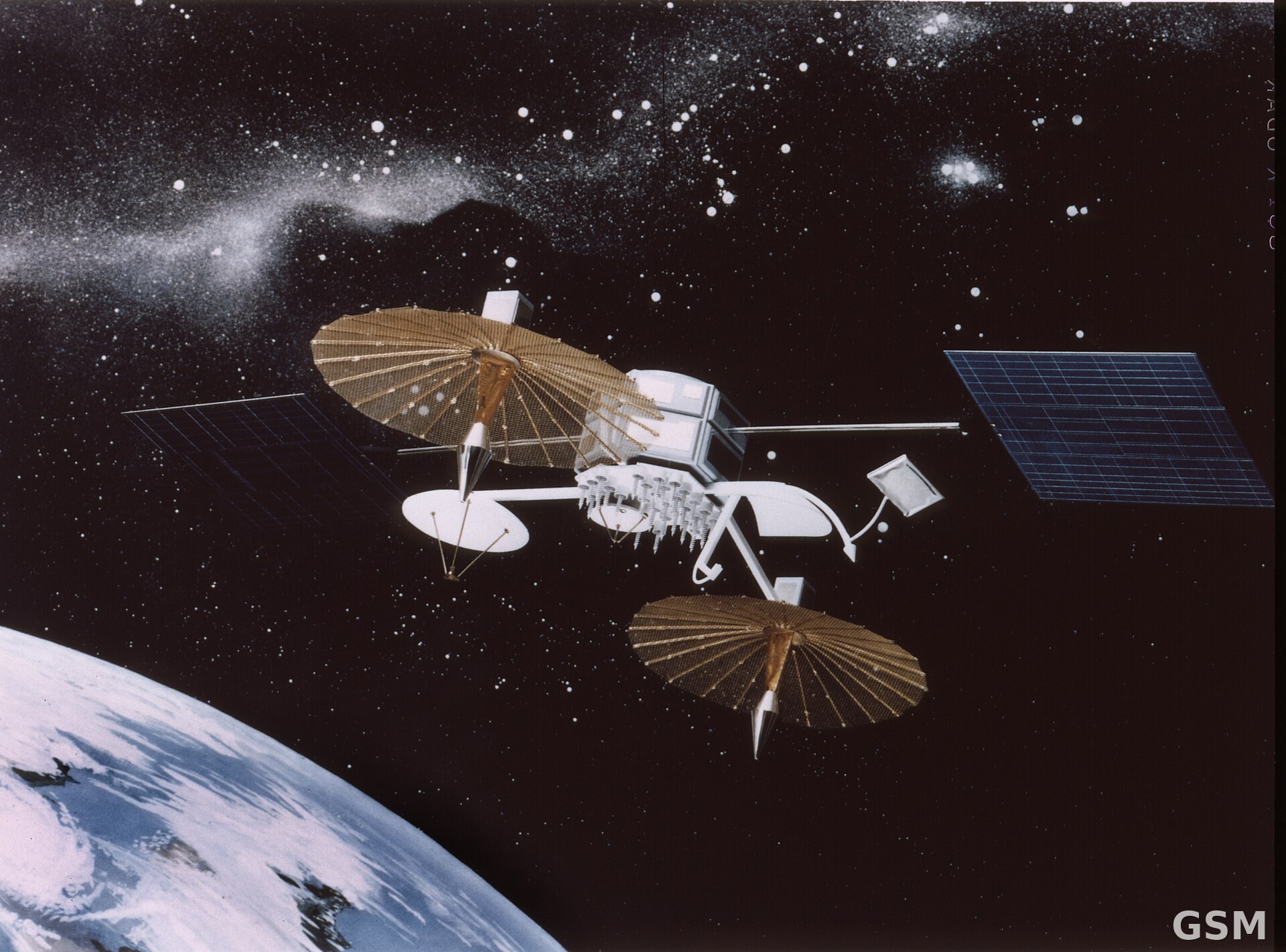
图片来源:图:NASA 跟踪与数据中继卫星 TDRS-C 概念图(资料图)。图片:NASA,公共领域,经 Wikimedia Commons。 / Photo: Artist's concept of NASA's Tracking and Data Relay Satellite TDRS-C (file photo). Image: NASA, public domain, via Wikimedia Commons.
GSM Global · 本篇英文版 English edition of this story