德克萨斯大学圣安东尼奥分校获航天局100万美元:两年研究含冰月球土壤,学生可赴航天局中心研究
位于德克萨斯州 San Antonio 的德克萨斯大学圣安东尼奥分校(UT San Antonio)11月5日宣布,该校牵头的一个新项目获得美国航天局(NASA)100 万美元资助,将在两年内研究月球永久阴影区极寒环境下含冰月球土壤(风化层)的物理与力学性质,为未来在月球就地取水与处理资源提供数据。项目本月启动,资金来自 NASA 面向少数族裔服务机构的 MUREP 太空技术 Artemis 研究(M-STAR)计划,全国仅 12 家机构入选。
项目名为「利用多行星表面模拟器(MPS2)在低温条件下表征风化层的物理与力学性质」。MPS2 将建在该校的实验与水行星学实验室(LEAP),可以控制温度、压力、大气成分、湿度与辐射,模拟月球及其他行星的表面环境。项目负责人、地球与行星科学助理教授 Kaushik Mitra 表示,弄清水冰在极寒条件下如何与月球土壤相互作用,是为 Artemis 时代建设可扩展的就地资源利用系统的基础。团队将研究昼夜温度循环如何影响含冰土壤的黏结性、流动行为与力学性质,以及其中水分的迁移与化学变化;校内四个实验室与 Southwest Research Institute 的研究人员共同参与。
学生培训是这个项目的一部分。每年夏天,项目资助 3 名该校学生到 NASA 下属的喷气推进实验室、Johnson 航天中心或 Goddard 航天飞行中心做 10 周研究,遴选工作在 11 月至 12 月进行,实习自 2027 年春季开始;校内每学期支持 4 名本科生研究员,并支持 1 名硕士生两年、1 名博士后研究人员;项目每年还为当地社区学院的 4 名学生与 Southwest 独立学区的 2 名高中生提供带薪暑期研究机会。
UT San Antonio Wins $1 Million NASA Award for Two-Year Study of Icy Lunar Soil
UT San Antonio, in San Antonio, Texas, announced on November 5 that a new project led by the university has won $1 million from NASA to study, over two years, how icy lunar soil, or regolith, behaves in the extreme cold of the Moon's permanently shadowed regions, mainly in craters around the poles. The findings could inform methods for extracting, transporting and processing resources on the Moon. The project began this month and is funded through NASA's MUREP Space Technology Artemis Research (M-STAR) program, which supports research and workforce development at minority-serving institutions; NASA selected only 12 institutions nationwide.
The project, titled Characterizing Physical and Mechanical Properties of Regolith at Cryogenic Conditions using the Multi-Planetary Surface Simulator (MPS2), will build the MPS2 facility at the university's Laboratory for Experimental and Aqueous Planetology (LEAP). The simulator will control temperature, pressure, atmospheric composition, humidity and radiation to reproduce conditions on the Moon and other planetary bodies. Kaushik Mitra, an assistant professor of Earth and Planetary Sciences and the project's principal investigator, said establishing how water ice interacts with lunar soil under extreme cryogenic conditions is fundamental to building scalable in-situ resource utilization systems for the Artemis era. The team will study how daily temperature cycling affects the cohesion, flow behavior and mechanical properties of icy regolith, and how the water it contains moves and changes chemically. Four UT San Antonio laboratories are taking part, with researchers from the Southwest Research Institute as co-investigators.
Training is built into the award. Each summer, the project will fund three UT San Antonio students for 10 weeks of research at a NASA center, the Jet Propulsion Laboratory, the Johnson Space Center or the Goddard Space Flight Center, with selection in November and December and paid internships starting in spring 2027. On campus, the project will support four undergraduate researchers per semester, one master's student for two years and a postdoctoral researcher. Each year it will also fund paid summer research places for four students from local community colleges and two high school students from the Southwest Independent School District.
来源:德克萨斯大学圣安东尼奥分校
发布:GSM·美国(发布链接)
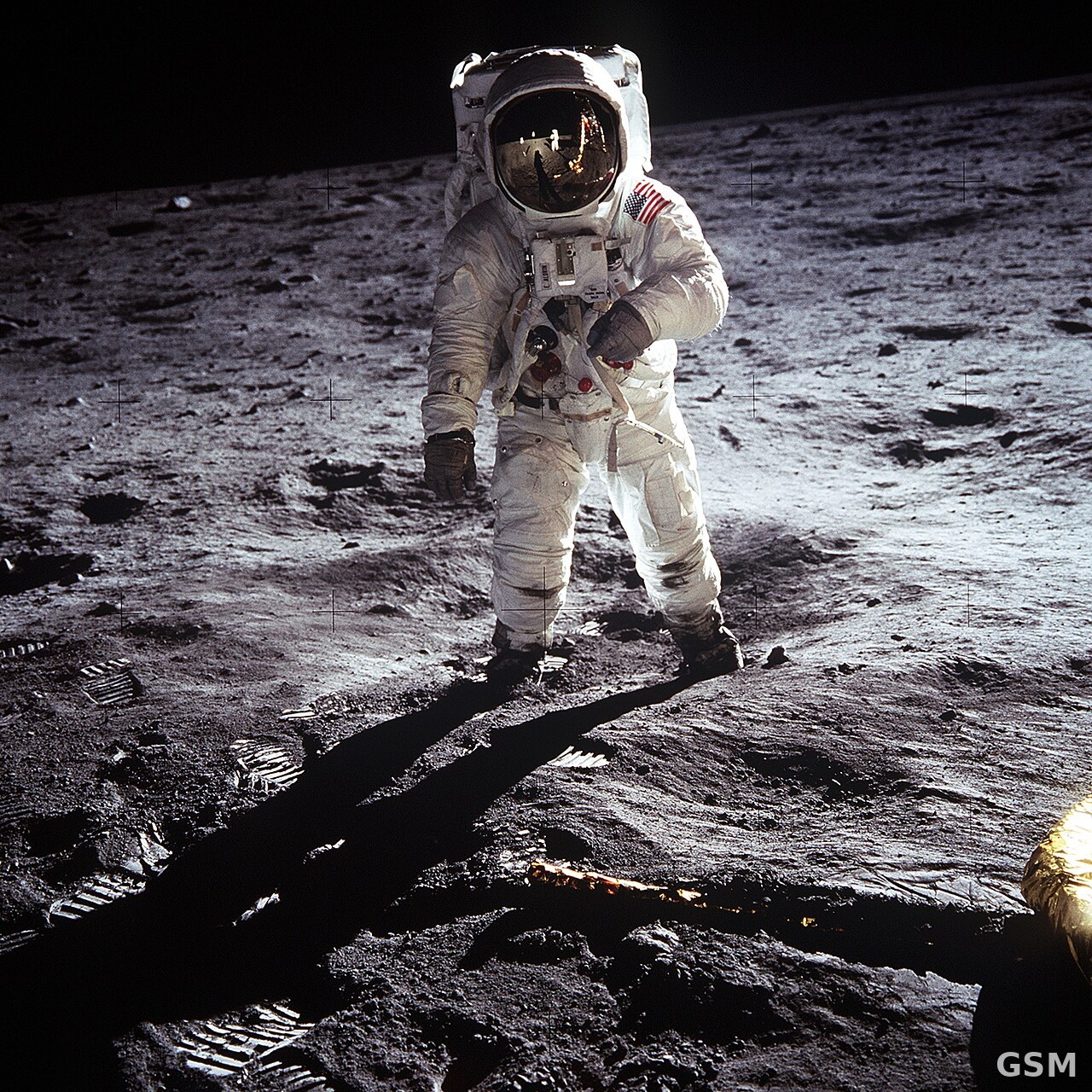
图片来源:图:阿波罗11号宇航员 Buzz Aldrin 站在月球表面(1969年),月球土壤研究资料图。摄影 Neil A. Armstrong/NASA,公共领域,来源 Wikimedia Commons。 / Photo: Apollo 11 astronaut Buzz Aldrin on the surface of the Moon in 1969 (representative image for lunar soil research). Photo by Neil A. Armstrong / NASA, public domain, via Wikimedia Commons.
GSM Global · 本篇英文版 English edition of this story