特稿《二百四十年,十代人:华人从登陆美国到走进政坛》
《The Star》栏目组
从科罗拉多说起
2026年中期选举之夜,科罗拉多州第30区州参议员的选战落定,胜出者叫 Kevin Leung。他自述,38年前从香港移民来美。38年——从落地谋生,到击败现任者、走进州参议院,这是一个移民走完的一条路。
而像他这样的人,今年全美有22位。他们分处7个州:加利福尼亚州12人、纽约州3人、马里兰州3人,科罗拉多州、康涅狄格州、罗德岛州、德克萨斯州各1人。职位从联邦众议员、副州长、州检察长、市长,一直到县政委员。要讲清这22个人,得先把时间拨回去——拨到华人第一次踏上这片土地的时候。这条线自华人登陆算起,至今已二百四十多年;留下姓名、查得到的第一笔,是18世纪末的1785年。
第一代:先谋生,再扎根
1785年8月9日,商船 Pallas 号从广州驶抵 Baltimore,船上有三名中国海员,名字记作 Ashing、Achun、Accun。船长 John O'Donnell 卸完货便成婚退休,把全船人留在了岸上。三名海员曾向大陆会议请愿,求助返乡——这是现存记录里华人踏上美国土地最早的一页。那一年,美国立国还不到十年。
此后近一个世纪,华人是零星地来。19世纪下半叶,规模才起来:淘金、修铁路、进种植园、开餐馆与洗衣店。1880年,在美华人约105,465人。他们是第一代:落地先谋生,攒钱、寄钱回家,再慢慢扎根。但这一代人有一件事做不到——投票;更不用说参选。
1882年5月6日签署的《排华法案》,是美国首部针对特定族裔的联邦移民法。它的第14条写得明白:任何州法院或联邦法院,不得准许华人入籍。不能入籍,就不能投票。父母那一代人的名字,注定上不了选票。这扇门,关了六十年。
门缝里先走出来的,是在美国出生的孩子。1898年3月28日,联邦最高法院在「美国诉黄锦亚案」中以6比2裁定:在美出生、父母为在美有永久居所的中国侨民的子女,出生即为美国公民——哪怕父母本人依法不能入籍。
鄺友良(Hiram Fong)正是这样一代人。他的父亲1872年赴夏威夷种植园做工,母亲10岁去当女佣;他是11个孩子中的第7个,少年时卖报、擦鞋、当球童补贴家用,后来读完夏威夷大学与哈佛法学院。1938年,他当选夏威夷领地众议员,后来做过领地众议院议长,在领地议会共14年。父母不能投的票,儿子不但投了,还站到了计票的另一边。
本土的第一步,落在华人很少的亚利桑那。Wing F. Ong 在中国出生、少年赴美,1918年由旧金山迁至 Phoenix;1935年他在东杰斐逊街1246号开了一间杂货店,店面同时服务当地的墨西哥裔与非裔街坊;1938年创办菲尼克斯华人商会;1943年以全班第一名从亚利桑那大学法学院毕业——那时全美华裔律师只有8位。1946年,他以1,100票对693票当选州众议员,成为全美首位当选州议会的华裔;1966年再当选州参议员,又是第一位。加州、俄勒冈、华盛顿的中文报纸,都大幅报道了他的当选。
门,一扇一扇开
第一扇门开在1943年。12月17日签署的《马格努森法案》废除排华,在美华人60年来第一次可以入籍——只是每年配额只有105名,门只开了一条缝。而到1940年,六十年排华已让在美华人萎缩到约72,000人,选民的基础本身就薄。
第二扇门开在1952年。6月27日生效的《麦卡伦-沃尔特法案》取消种族作为入籍资格的依据,所有亚裔均可入籍。归化的一代从此出现:他们何时能成为选民、何时能成为候选人,是被这部法律的年份决定的。
第三扇门开在1965年。8月6日签署的《选举权法案》禁止以种族为由剥夺投票权,暂停识字测试这类登记筛选;同年的《移民与国籍法》(哈特-塞勒法案)废除国别配额制——两部法同年而不同属,一部管投票,一部管移民,不得混淆。
门开之后,四条线一起放大。人口:1960年237,292人,2022年美国社区调查已是5,465,428人(含混血华裔)。选民(以下为亚太裔整体口径,不是华裔单列):2024年合资格选民16,170,000人,2020至2024年增长19%,同期全体选民只增长3%。组织:1895年美华协会在旧金山成立,是排华年代全美最老的亚裔民权组织;1973年美华协会(OCA)成立做选民登记,如今有80个分会;1990年代末,S.B. Woo 等人创办「80-20行动」,第一次把亚太裔选票组织成「关键少数选票集团」。先有入籍,才有选民;先有选民,才有候选人。
先走进州府的,是余江月桂(March Fong Eu),华人移民之女。1966年,她当选加州州众议员,是首位当选州议会的亚裔女性;1974年当选加州州务卿,是首位当选州政府宪法职务的华裔,一任19年(1975年1月6日至1994年5月17日)。她做的事,恰恰是「投票」本身:推行邮寄选民登记、缩短登记截止期、在车管所设登记点、让任何选民都可以申请缺席选票。1976年7月14日,因顺位在前的官员都不在州内,她以州务卿身份代理州长——首位担任加州州长职务的女性与亚裔。1978年,她赢下加州全部58个县,包括传统共和党重镇橙县。她还以禁止公共建筑收费厕所的立法闻名,理由是收费厕所对女性不公。2019年,加州州务卿大楼以她命名,是首座以亚裔女性命名的州有建筑。
东岸走出的是 S.B. Woo(吳仙標)。他生于上海,是特拉华大学物理学教授,出于自愿申请成为美国公民。1984年,他第一次参选就当选特拉华副州长:初选击败两名资深州参议员,普选只赢了429票——121,095票对120,666票。一个归化移民,在东岸小州赢下全州公职:华裔当选的版图,第一次跨过密西西比河。此后他两度参选联邦公职都落败,1990年代末与田长霖等人创办「80-20行动」,把余生的一部分精力放在组织选票上。
然后是那「一英里」。骆家辉(Gary Locke)1950年生于西雅图,第三代华裔,头五年住在耶斯勒台阶公共住房——全美第一个种族融合公共住房项目,上幼儿园才开始学英语。他的祖父1890年代从台山赴美,在州府 Olympia 给人当佣人换取英语课,离州议会大厦只有几个街区;他的父亲生于台山,1931年赴美,二战服役,战后在西雅图开餐馆与杂货店。1993年,骆家辉当选金县县长;1996年当选华盛顿州州长,1997年1月15日就任——美国历史上第一位、迄今唯一一位华裔州长。就职那年他说:「我的祖父近一个世纪前从中国来到这个国家,当了佣人。现在我担任州长,离祖父工作的地方只有一英里。我们全家花了100年才走完这一英里。」
国会山上的人来得更早一辈。1959年夏威夷建州,鄺友良当选联邦参议员,是首位当选国会议员的华裔、首位亚裔参议员,一任近18年;1964年,他成为首位在共和党全国代表大会上获得总统提名选票的亚裔。他至今仍是唯一一位单一华裔参议员——1977年他卸任之后,参议院再无单一华裔议员。
1998年当选的吴振伟(David Wu),是首位当选众议员的华裔。他1955年生于新竹,父母是苏州人,1961年全家赴美,落脚纽约州 Latham——当时全镇唯一的亚裔家庭。他后来当选的俄勒冈州第1区,亚太裔只占约7%:华裔候选人的票,从一开始就不只来自华人街区。
2009年7月14日,赵美心(Judy Chu)在特别选举中当选,成为首位当选国会议员的华裔女性。她推动国会通过了对1882年《排华法案》表示遗憾的决议——当年被那部法律挡在门外的人的后代,坐进了通过那部法律的议事厅,替它收尾。
州府与国会之外,还有任命的一线,须与民选分开记:張之香(Julia Chang Bloch)1989年出任驻尼泊尔大使,是首位亚裔大使;赵小兰(Elaine Chao)2001年出任劳工部长,是首位华裔内阁部长,后又任交通部长(2017至2021年);朱棣文(Steven Chu)2009年出任能源部长,他是1997年诺贝尔物理学奖得主;骆家辉2009年出任商务部长,后任驻华大使(2011至2014年),是首位华裔驻华大使。经参议院确认的华裔内阁部长,至今共3人。戴琪(Katherine Tai)任贸易代表(2021至2025年),是内阁级而非部长;Julie Su 任劳工部长代理(2023至2025年),未获参议院确认——都单列,不混入部长名单。
市长一线也在同一时期打开。Jean Quan 2010年当选、2011年就任奥克兰市长,是首位当选大城市市长的华裔、首位领导美国大城市的亚裔女性;2011年,Ed Lee 先被任命为旧金山临时市长,同年11月当选,是旧金山首位亚裔市长。2021年11月2日,吳弭(Michelle Wu)当选波士顿市长,终结了该市199年白人男性市长连续当选的纪录——她1985年生于芝加哥南区,父母是台湾移民;22岁那年母亲患病,她为11岁的妹妹申请了法定监护权,后来带着母亲和妹妹回波士顿读法学院。2013年她当选波士顿市议员,2016年任议长,2025年11月连任市长第二任期。
今年的22个人
2026年的名单,就是这条线走到今天的样子。口径先说清:在任者计入,连任与新当选同列,本届不改选的在任者也计入;落选者不进名单。22个人,一位一位来。
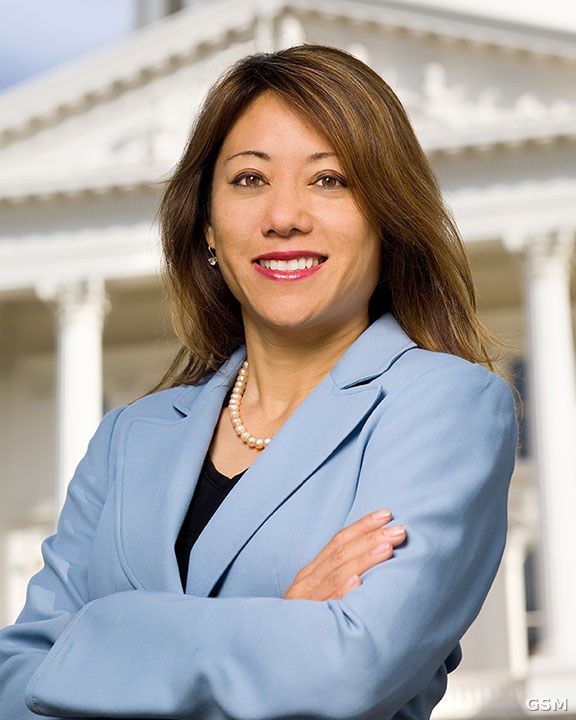
马世云(Fiona Ma):加利福尼亚州副州长
新当选,今年22人里职位最高的一位。她的路是一级台阶一级台阶走上来的:会计出身,做过旧金山参事、州众议员、州公平委员会委员、州财政部长,如今成为加州的第二号人物。她的生平,本报11月4日已单篇作传;在这张名单上,她是州级职位的那道新纪录。
潘君達(Richard Pan):联邦众议员,加州第6区
新当选,击败现任众议员 Kevin Kiley。在美出生的一代,今年新进国会。算上他,众议院历来单一华裔议员共6人;本届在任的,连同下面几位,共5人。
赵美心(Judy Chu):联邦众议员,加州第28区
连任。她1953年生于洛杉矶,做过20年心理学教师。1980年代,Monterey Park 出现要求禁用中文招牌的「只准英文」动议,她把各族裔居民组织成联盟,推翻了动议——她的政坛之路从那场街区之争开始:学区教育委员会委员、市议员、三任市长、州众议员、州公平委员会委员,再到2009年成为首位华裔女性国会议员。她曾任国会亚太裔党团(CAPAC)主席十四年,现为该党团荣誉主席;据其办公室,国会亚太裔议员已从她2009年当选时的8人增至第119届国会的25人(亚太裔整体口径)。
刘云平(Ted Lieu):联邦众议员,加州第36区
连任。他是归化一代——本人就是移民法的亲历者:1952年之前,像他这样的移民连入籍的门都没有;门开之后,他走到了国会。
Vince Fong:联邦众议员,加州第20区
连任。2024年6月3日就任众议员,是众议院历来6位单一华裔议员之一,今年与潘君達同在国会。
Alex Lee:加州州众议员,第24区
连任。1966年,余江月桂就是从州议会走进这条线的;六十年后,这个议事厅里仍有华裔议员一届一届连任,Alex Lee 是其中之一。
方树强(Mike Fong):加州州众议员,第49区
连任。州议会是这条线最老的战场,也是新人最常走的台阶;方树强的连任,是华裔在州议会从「第一人」变成「每一届都在」的注脚。
陈立德(Phillip Chen):加州州众议员,第59区
连任。与 Alex Lee、方树强同届守住州议会席位——加州今年12人里,州议员占了三席。
Helen Tran:San Bernardino 市长
连任。今年6月初选,她得票过半,按规则直接连任,不必等到11月。市长是离居民最近的一级公职,她的连任在初选阶段就已定局。
Karen Goh:Bakersfield 市长
本届不改选、在任,任期至2029年。她进这份名单,是因为名单数的是在任者:这一年没有她的选战,她的任期照常往前走。
黄宏威(Alan Wong):旧金山县政委员会第4区委员
当选,赢得一个完整任期。县政委员会管的是一县的日常政务——这条线走到这一层,靠的是街区里一户一户的认识。
Lena Tam:阿拉梅达县县政委员会第3区委员
无对手连任。她在县政委员会的官方声明中自述为中国移民之女:父母那一代渡海而来,她这一代在县政厅里连任,又连任。
孟昭文(Grace Meng):联邦众议员,纽约州第6区
连任。2013年就任至今,是本届国会在任华裔众议员之一。在美出生的一代,在国会的席位上已经坐了13年。
Larry He:纽约州参议员,第17区
新当选,击败现任者。新人第一次出战,就把现任者的席位拿了下来。
Joyce Xiaoqiong Xie:纽约州众议员,第49区
新当选,同样击败现任者。她的汉字名未见于公开报道,本篇从其英文名——名字怎么写,是她自己的事;席位是选民投出来的。
吴超(Chao Wu):马里兰州众议员,第9A区
连任,出生于中国。归化一代在州议会连任,马里兰今年三人里,他是其中一位。
祁丽丽(Lily Qi):马里兰州众议员,第15区
连任,出生于上海。她现任马里兰州议会亚太裔党团主席——从当选者到组织者,她做的正是当年 OCA 那一代人开创的事:把散着的选票与候选人组织起来。
林力圖(Clarence Lam):马里兰州参议员,第12区
无对手连任。他自述为第二代华裔:母亲来自台湾,父亲来自香港。如今,他是马里兰州参议院里唯一的亚裔议员。
Kevin Leung:科罗拉多州参议员,第30区
就是开头的那一位。新当选,击败现任者;自述38年前从香港移民来美。华裔当选的地图,今年又往内陆推了一州。
湯偉麟(William Tong):康涅狄格州检察长
连任,第三个任期。他是全美首位当选州检察长的华裔,也是康涅狄格州首位当选全州公职的亚裔美国人。检察长管执法——这一层被华裔走到,这条线又宽了一截。
馮偉傑(Allan Fung):罗德岛州众议员,第15区
新当选,无党派身份。他此前当过 Cranston 市长,是罗德岛州首位华裔市长;今年他换了一条赛道,从市政厅走进州议会。
吴元之(Gene Wu):德克萨斯州众议员,第137区
连任。他幼年随家人从广州赴美,2012年第一次当选,2024年起任德克萨斯州众议院民主党领袖。据德克萨斯州州务卿非官方计票,他以约71%对29%击败共和党人 Helen Zhou,主流媒体已按胜选报道。德克萨斯州参议院至今从未有亚裔当选——他守的,是众议院这一席。
数得清的,与数不清的
有两个数字,本篇明说给不出:州级与地方层级华裔民选官员的历史总数,以及华裔参选总人数(含落选者)。没有统一数据库,族裔身份多为自报,历史记录不全——任何总数都是估算,本篇不编。能数清的只有几条线:众议院历来单一华裔6人,参议院历来单一华裔1人,州长历来1人,华裔内阁部长3人(任命)。混血华裔血统者另有单列:众议院 Daniel Akaka、Charles Djou、Tammy Duckworth、TJ Cox;参议院 Daniel Akaka 与 Tammy Duckworth(现任)。日裔、韩裔不是华裔,不计入。
扩散也有它的限度,与轨迹并写:参议院自鄺友良1977年卸任后,再无单一华裔议员;州长自骆家辉2005年卸任后,再无华裔州长;德克萨斯州参议院至今从未有亚裔当选。
也有人离开
名单之外,还有一位必须写下:Angie Chen Button,德克萨斯州众议员第112区现任,归化一代华裔。据德克萨斯州州务卿非官方计票(全部投票站已报告),她以37,499票、46.4%,负于民主党人 Zach Herbert 的43,251票、53.6%,近18年的任期就此结束。她的选区里亚裔只占约12%——她在那里连赢近18年,今年输了。落选与当选一样,是这段经历的一部分。
更早的落选者里,还有杨安泽(Andrew Yang)。2020年他参加民主党总统初选,把每月1,000美元全民基本收入的主张带上全国辩论台,新罕布什尔初选后退选;2021年他参选纽约市长,民主党初选得票逾135,000张,位列第四。两次都没有赢,但华裔候选人的身影,从此进入了全国性选战的前排。本届落选的还有新罕布什尔州的 Lily Tang Williams 与纽约州的 Lester Chang;亚利桑那州财务长 Kimberly Yee 本届转选州教育总长时落后且未宣布,同样不收。
另有三位少数族裔当选者,按其自身认同单列,不计入22人:苗族裔的 Yee Leng Xiong(威斯康星州财务长)、XP Lee(明尼苏达州众议员第34B区,连任)与 Samantha Vang(明尼苏达州众议员第38B区,连任)。各州结果仍待正式核票认证——加利福尼亚州12月11日、马里兰州12月3日、德克萨斯州随后——最终以官方为准。
新一代:这个国家长出来的人
回头看这条线的起点。第一代华人移民的日子,是种植园、铁路、餐馆后厨与杂货店柜台。鄺友良的父亲在种植园做工、母亲当女佣;骆家辉的祖父当佣人、父亲开餐馆;Wing F. Ong 守着一间杂货店,夜里读完了法学院。他们那一代把力气花在谋生与扎根上;而送孩子进学校读书,是许多家庭翻过这一页的方式。
以一代二三十年计,从最早落脚的家族算起,华人在这片土地上传了八代、十代——最老的家族故事,传到今天是十代人的事。但今天政坛上活跃的这批人,主体并不是这些老家族的后人,而是近几十年移民潮的第二代、第三代。
这批二三代的来历,有数字可查:1960至2006年间,自中国、香港、台湾获得美国永久居民身份者近180万人,是1850至1959年总和的4倍多;到2006年,外国出生者约占华裔人口的三分之二,其中56%于1990年之后抵达,59%已经入籍。换言之,今天这批二三代的父母,主体正是1990年代那一波移民潮——父母在1990年代落地,孩子在2000年代长大,到2020年代走上选票与席位,时间正好对得上。
今年22人里,两种人同台。一种是在美出生、长大的一代:赵美心生于洛杉矶,孟昭文(现任国会亚太裔党团主席)、马世云、潘君達在美出生,林力圖自述第二代——母亲来自台湾、父亲来自香港,Lena Tam 是移民之女。另一种是本人渡海而来的归化一代:吴元之幼年从广州来,祁丽丽生于上海,吴超生于中国,Kevin Leung 38年前从香港落地,刘云平同为归化一代。两代人站在同一张名单上,但起点已经不同。
「送孩子读书」在这条线里不是一句空话。鄺友良卖报、擦鞋、当球童,读完了哈佛法学院;骆家辉在公共住房里长大,上幼儿园才开始学英语,后来一路读到州长。第一代供出来的孩子,走出校门时手里多了父母没有的东西:一张选票,和一个专业身份——Ong 的律师、Woo 的教授、赵美心的教师、马世云的会计。专业身份是这一代进入公共生活的第一级台阶。
台阶是一级一级上的。二三代的从政,很少一步登天,多数先从离家最近的公职起步:学区教育委员、市议员、市长、州众议员、州公平委员会,再往上到国会与州府。赵美心从1985年当选学区委员算起,走到2009年进入国会,用了24年;马世云从旧金山参事走到加州副州长,也是一级不落。例外是 Woo——1984年第一次参选就当上副州长,没有走地方台阶;但那是例外,不是常态。
再往下数,还有第三代。骆家辉就是第三代:祖父当佣人,父亲开餐馆,他当州长——一英里路,三代人走了100年。今年名单上的第二代们,身后站着的是同一本家庭账:父母在种植园、餐馆、杂货店里挣下的,换成了孩子的学位、选票与席位。
二三代的参选,不再是「新移民参政」。他们在美国出生,在美国的学校里长大,竞选时面对的选民,绝大多数不是华人:吴振伟当年胜出的选区,亚太裔只占约7%;S.B. Woo 是在一个几乎没有华人选民的州,以429票赢下全州;潘君達今年击败的,是在任的众议员。他们要说服的,从来不只是唐人街,而是整个选区、整个社区——他们治理的,是自己从小长大的地方。
1882年那部法律的第一句潜台词是:华人不许成为这个国家的人。2026年,22位华人华裔在7个州当选或在任,职位最高的一位是加利福尼亚州副州长。这条路走了二百四十多年,走完它的是十代人;而它的下一页,已经由在美国出生长大的新一代接过去写。这条路,还在往下走。
资料引用:美国国会亚太裔党团
[Feature] 《240 Years, Ten Generations: How Chinese Americans Went from Landing in America to Holding Office》
By The Star, GSM's features desk
Starting in Colorado
On the night of the 2026 midterm elections, the race for Colorado's 30th State Senate District was called for Kevin Leung. By his own account, he immigrated to the United States from Hong Kong 38 years ago. Thirty-eight years — from landing and making a living, to defeating an incumbent and walking into a state senate. That is one immigrant's road.
This year, there are 22 people like him across the country. They sit in seven states: 12 in California, three in New York, three in Maryland, and one each in Colorado, Connecticut, Rhode Island and Texas. Their offices run from the U.S. House of Representatives, a lieutenant governorship and a state attorneys general office, down through mayors to county supervisors. To tell the story of these 22 people, the clock has to be turned back — back to the first time Chinese people set foot on this land. Counted from that landing, the line runs more than 240 years; the first entry with names attached that can still be checked was written in 1785, at the end of the 18th century.
The first generation: making a living first, putting down roots second
On August 9, 1785, the merchant ship Pallas sailed from Guangzhou into Baltimore with three Chinese sailors aboard, their names recorded as Ashing, Achun and Accun. Her captain, John O'Donnell, unloaded his cargo, married and retired, leaving the whole crew stranded ashore. The three sailors petitioned the Continental Congress for help getting home — the earliest page in the surviving record of Chinese people setting foot on American soil. That year, the United States itself was not yet ten years old.
For nearly a century after that, Chinese arrivals were a trickle. The scale came in the second half of the 19th century: gold mines, railroads, plantations, restaurant kitchens and laundries. By 1880 there were about 105,465 Chinese people in the United States. They were the first generation: land, earn, send money home, and slowly put down roots. But there was one thing that generation could not do — vote. Running for office was out of the question.
The Chinese Exclusion Act, signed on May 6, 1882, was the first federal immigration law aimed at a specific ethnic group. Its Section 14 said it plainly: no state or federal court could permit a Chinese person to become a citizen. No naturalization meant no vote. The names of the parents' generation were never going to appear on a ballot. That door stayed shut for sixty years.
The first to slip through the crack were the children born in America. On March 28, 1898, the Supreme Court ruled 6–2 in United States v. Wong Kim Ark that a child born in the United States to Chinese parents domiciled here was a citizen at birth — even though the parents themselves could not legally naturalize.
Hiram Fong was of that generation. His father had come to Hawaii's plantations in 1872; his mother had arrived at age ten to work as a domestic servant. He was the seventh of 11 children; as a boy he sold newspapers, shined shoes and caddied to help the family, then put himself through the University of Hawaii and Harvard Law School. In 1938 he was elected to the Hawaii Territorial House of Representatives, later serving as its speaker, for 14 years in the territorial legislature. The vote his parents were denied — the son not only cast it, he stood on the counting side of it.
The first step on the mainland came in Arizona, where Chinese people were few. Wing F. Ong was born in China and came to America as a boy, moving from San Francisco to Phoenix in 1918. In 1935 he opened a grocery store at 1246 East Jefferson Street, serving the Mexican American and Black neighborhoods around it; in 1938 he founded the Phoenix Chinese Chamber of Commerce; in 1943 he graduated first in his class from the University of Arizona law school — at a time when there were only eight Chinese American lawyers in the entire country. In 1946 he won election to the Arizona House, 1,100 votes to 693, becoming the first Chinese American elected to a state legislature; in 1966 he was elected to the state senate, another first. Chinese-language newspapers in California, Oregon and Washington all gave his election prominent coverage.
The doors open, one by one
The first door opened in 1943. The Magnuson Act, signed on December 17, repealed exclusion, and Chinese people in America could naturalize for the first time in 60 years — but the annual quota was 105, and the door had opened only a crack. By 1940, six decades of exclusion had shrunk the Chinese American population to about 72,000; the voter base itself was thin.
The second door opened in 1952. The McCarran-Walter Act, effective June 27, removed race as a basis for naturalization eligibility, and all Asian people could become citizens. A naturalized generation followed — when they could become voters, and when they could become candidates, was set by the year on that law.
The third door opened in 1965. The Voting Rights Act, signed on August 6, barred denying the vote on grounds of race and suspended screening devices such as literacy tests. The same year, the Immigration and Nationality Act (the Hart-Celler Act) abolished the national-origins quota system — two laws from the same year with different subjects, one about voting, one about immigration, not to be confused.
Once the doors opened, four lines grew together. Population: 237,292 in 1960, and 5,465,428 in the 2022 American Community Survey, counting multiracial Chinese Americans. Voters — the following figures are for Asian Americans and Pacific Islanders as a whole, not Chinese Americans alone: 16,170,000 eligible AAPI voters in 2024, up 19 percent between 2020 and 2024, against 3 percent growth for all voters. Organizations: a Chinese American civic association founded in San Francisco in 1895 was the oldest Asian American civil rights organization of the exclusion era; OCA, founded in 1973, does voter registration and now has 80 chapters; in the late 1990s, S. B. Woo and others founded the 80-20 Initiative, the first attempt to organize the Asian Pacific American vote as a swing-vote bloc. Naturalization first, then voters; voters first, then candidates.
The first to walk into a state capitol was March Fong Eu, the daughter of Chinese immigrants. In 1966 she was elected to the California Assembly, the first Asian American woman elected to a state legislature; in 1974 she was elected California secretary of state, the first Chinese American elected to a state constitutional office, serving one 19-year stretch from January 6, 1975 to May 17, 1994. The work she took on was voting itself: mail voter registration, a shorter registration deadline, registration counters at the DMV, an absentee ballot for any voter who asked. On July 14, 1976, with every official ahead of her in the line of succession out of state, she served as acting governor — the first woman and the first Asian American to hold the California governorship. In 1978 she carried all 58 California counties, including the Republican stronghold of Orange County. She was also known for the law banning pay toilets in public buildings, on the grounds that they were unfair to women. In 2019 the California secretary of state's building was named for her — the first state-owned building named for an Asian American woman.
On the East Coast came S. B. Woo. Born in Shanghai, a physics professor at the University of Delaware, he became an American citizen, by his own account, of his own free will. In 1984, in his first run for office, he was elected lieutenant governor of Delaware: he beat two veteran state senators in the primary and won the general election by 429 votes — 121,095 to 120,666. A naturalized immigrant winning statewide office in a small East Coast state: the map of Chinese American officeholding had crossed the Mississippi for the first time. His two later runs for federal office both failed, and in the late 1990s he co-founded the 80-20 Initiative with Chang-Lin Tien and others, spending part of his later years organizing the vote instead.
Then came the one mile. Gary Locke was born in Seattle in 1950, a third-generation Chinese American who spent his first five years in Yesler Terrace public housing — the first racially integrated public housing project in the country — and did not start learning English until kindergarten. His grandfather had come from Taishan in the 1890s and worked as a servant in Olympia, the state capital, in exchange for English lessons, a few blocks from the capitol building; his father, born in Taishan, came in 1931, served in World War II, and afterward ran a restaurant and a grocery store in Seattle. Locke was elected King County executive in 1993 and governor of Washington in 1996, taking office on January 15, 1997 — the first Chinese American governor in American history, and still the only one. In his inaugural year he said: "My grandfather came to this country from China nearly a century ago, and worked as a servant. Now I serve as governor, just one mile from where my grandfather worked. It took our family 100 years to travel that one mile."
On Capitol Hill, the line reaches back a generation earlier. In 1959, when Hawaii became a state, Hiram Fong was elected to the U.S. Senate — the first Chinese American elected to Congress and the first Asian American senator — serving nearly 18 years; in 1964 he became the first Asian American to receive votes for a presidential nomination at the Republican National Convention. He remains the only senator of solely Chinese descent: since he left office in 1977, the Senate has had no other.
David Wu, elected in 1998, was the first Chinese American elected to the House of Representatives. Born in Hsinchu in 1955 to parents from Suzhou, he arrived with his family in 1961 and settled in Latham, New York — then the town's only Asian American family. The Oregon 1st District he later won was only about 7 percent Asian Pacific American: from the very beginning, a Chinese American candidate's votes did not come from Chinatown alone.
On July 14, 2009, Judy Chu won a special election and became the first Chinese American woman elected to Congress. She then carried through Congress a resolution expressing regret for the 1882 Chinese Exclusion Act — the descendants of the people that law had shut out, sitting in the chamber that passed it, closing the file.
Beyond the statehouses and Congress runs an appointed line, to be recorded separately from elected office: Julia Chang Bloch became ambassador to Nepal in 1989, the first Asian American ambassador; Elaine Chao became secretary of labor in 2001, the first Chinese American cabinet secretary, and later served as secretary of transportation from 2017 to 2021; Steven Chu, a 1997 Nobel laureate in physics, became secretary of energy in 2009; Gary Locke became secretary of commerce in 2009 and then ambassador to China from 2011 to 2014, the first Chinese American to hold that post. Three Chinese Americans have served as Senate-confirmed cabinet secretaries. Katherine Tai, U.S. trade representative from 2021 to 2025, was cabinet-level but not a secretary; Julie Su, acting secretary of labor from 2023 to 2025, was never confirmed by the Senate. Both are listed separately, outside the count of secretaries.
City halls opened in the same period. Jean Quan, elected in 2010 and seated in 2011, became mayor of Oakland — the first Chinese American elected mayor of a major city, and the first Asian American woman to lead one. In 2011, Ed Lee was first appointed interim mayor of San Francisco and then elected that November, the city's first Asian American mayor. On November 2, 2021, Michelle Wu was elected mayor of Boston, ending a 199-year run of white male mayors — born in Chicago's South Side in 1985 to Taiwanese immigrant parents, she had applied at age 22 for legal guardianship of her 11-year-old sister after their mother fell ill, then brought her mother and sister back to Boston while she finished law school. She joined the Boston City Council in 2013, became its president in 2016, and was reelected to a second term as mayor in November 2025.
The 22 of 2026
This year's list is what that line looks like today. The standard, stated plainly: sitting officeholders count; the reelected and the newly elected are listed together, and so are incumbents not up for election this cycle; those who lost are not on the list. Twenty-two people, one at a time.
Fiona Ma: Lieutenant Governor of California
Newly elected — the highest office held by anyone on this year's list. Her road climbed one rung at a time: accountant, San Francisco supervisor, state assemblymember, member of the State Board of Equalization, state treasurer, and now the state's second-ranking official. This paper told her life story in a standalone feature on November 4; on this list, she is the new mark at the statewide level.
Richard Pan: U.S. House of Representatives, California's 6th District
Newly elected, defeating incumbent Representative Kevin Kiley. Of the American-born generation, newly arrived in Congress this year. Counting him, six people of solely Chinese descent have served in the House in history; five of them, with the members below, sit in the current Congress.
Judy Chu: U.S. House of Representatives, California's 28th District
Reelected. Born in Los Angeles in 1953, she taught psychology for 20 years. In the 1980s, when an "English-only" campaign in Monterey Park sought to ban Chinese-language signs, she built a multiethnic coalition of residents and defeated it — her road into politics began with that neighborhood fight: school board, city council, three terms as mayor, the state assembly, the State Board of Equalization, and then, in 2009, Congress, as its first Chinese American woman. She chaired the Congressional Asian Pacific American Caucus (CAPAC) for 14 years and is now its Chair Emerita; by her office's count, Asian Pacific American members of Congress have grown from eight when she was first elected in 2009 to 25 in the 119th Congress — an AAPI-wide figure.
Ted Lieu: U.S. House of Representatives, California's 36th District
Reelected. He is of the naturalized generation — himself a person the immigration law was done to: before 1952, an immigrant like him had no door into citizenship at all; after the door opened, he walked to Congress.
Vince Fong: U.S. House of Representatives, California's 20th District
Reelected. Seated on June 3, 2024, he is one of the six people of solely Chinese descent who have served in the House, and this year he sits in Congress alongside Richard Pan.
Alex Lee: California State Assembly, 24th District
Reelected. In 1966, March Fong Eu entered this whole story through a state legislature; sixty years on, the chamber still seats Chinese American members reelected term after term — Alex Lee is one of them.
Mike Fong: California State Assembly, 49th District
Reelected. The state assembly is the oldest battlefield on this line, and the ladder most newcomers climb first; Mike Fong's reelection is the footnote to how Chinese American presence there has moved from "the first" to "there every term."
Phillip Chen: California State Assembly, 59th District
Reelected. Together with Alex Lee and Mike Fong, he holds a bloc of three Assembly seats among California's 12 names this year.
Helen Tran: Mayor of San Bernardino
Reelected. In this June's primary she took more than half the vote and was reelected outright under the local rules, without waiting for November. A mayor is the level of office closest to residents — and her return was settled at the primary stage.
Karen Goh: Mayor of Bakersfield
Not up for election this cycle; in office, her term running to 2029. She is on this list because the list counts officeholders: this was not her election year, and her term simply continues.
Alan Wong: San Francisco Board of Supervisors, District 4
Elected, winning a full term. A county board of supervisors runs the daily business of a county — at this level, the line runs on being known street by street.
Lena Tam: Alameda County Board of Supervisors, District 3
Reelected unopposed. In an official statement of the board, she describes herself as the daughter of immigrants from China: the parents' generation crossed the ocean; her generation is reelected, and reelected again, at the county hall.
Grace Meng: U.S. House of Representatives, New York's 6th District
Reelected. In office since 2013, she is one of the Chinese American members of the current Congress. Of the American-born generation, she has now held a seat on Capitol Hill for 13 years.
Larry He: New York State Senate, District 17
Newly elected, defeating an incumbent. A first-time candidate who took the seat from the person holding it.
Joyce Xiaoqiong Xie: New York State Assembly, District 49
Newly elected, also defeating an incumbent. No Chinese characters for her name appear in public reporting, so this piece uses her English name — how a name is written is her own affair; the seat was voted in by her district.
Chao Wu: Maryland House of Delegates, District 9A
Reelected, born in China. Of the naturalized generation, reelected to a state legislature — one of Maryland's three this year.
Lily Qi: Maryland House of Delegates, District 15
Reelected, born in Shanghai. She chairs the Maryland legislature's Asian Pacific American Caucus — from officeholder to organizer, doing the work the OCA generation began: gathering scattered voters and candidates into an organization.
Clarence Lam: Maryland State Senate, District 12
Reelected unopposed. He describes himself as a second-generation Chinese American: his mother from Taiwan, his father from Hong Kong. He is now the only Asian American in the Maryland Senate.
Kevin Leung: Colorado State Senate, District 30
The man from the opening. Newly elected, defeating an incumbent; by his own account he immigrated from Hong Kong 38 years ago. This year, the map of Chinese American officeholding pushed one state further inland.
William Tong: Attorney General of Connecticut
Reelected, to a third term. He is the first Chinese American elected as a state attorney general in the country, and the first Asian American elected to statewide office in Connecticut. The attorney general runs law enforcement — with this level reached, the line widened again.
Allan Fung: Rhode Island House of Representatives, District 15
Newly elected, running unaffiliated. He had served as mayor of Cranston, the first Chinese American mayor in Rhode Island; this year he changed tracks, from city hall to the statehouse.
Gene Wu: Texas House of Representatives, District 137
Reelected. He came to the United States from Guangzhou as a small child with his family, was first elected in 2012, and has led the Texas House Democratic Caucus since 2024. Unofficial returns from the Texas secretary of state show him defeating Republican Helen Zhou by about 71 percent to 29 percent, and major outlets are reporting the race as won. No Asian American has ever been elected to the Texas Senate — the seat he holds is in the House.
What can be counted, and what cannot
Two figures this piece states plainly that it cannot give: the all-time total of Chinese American elected officials at the state and local level, and the total number of Chinese American candidates including those who lost. There is no unified database; ethnic identity is mostly self-reported and the historical record is incomplete. Any total would be an estimate, and this piece invents none. What can be counted are a few lines: six people of solely Chinese descent in the House in history, one in the Senate, one governor, and three Chinese American cabinet secretaries, by appointment. Members of mixed Chinese descent are listed separately: in the House, Daniel Akaka, Charles Djou, Tammy Duckworth and TJ Cox; in the Senate, Daniel Akaka and Tammy Duckworth, who sits today. Japanese Americans and Korean Americans are not Chinese Americans and are not counted.
The spread has its limits, and they belong beside the map: no senator of solely Chinese descent since Hiram Fong left office in 1977; no Chinese American governor since Gary Locke left office in 2005; and no Asian American ever elected to the Texas Senate.
And one who leaves
Off the list, one name has to be written down: Angie Chen Button, the sitting member for Texas House District 112, a Chinese American of the naturalized generation. By the Texas secretary of state's unofficial returns, with all polling places reporting, she lost to Democrat Zach Herbert, 37,499 votes and 46.4 percent to 43,251 and 53.6 percent, ending nearly 18 years in office. Asian residents make up only about 12 percent of her district — she won there for nearly 18 years, and this year she lost. Losing, like winning, is part of this history.
Among earlier losses stands Andrew Yang. In 2020 he ran in the Democratic presidential primary, carrying a proposal for a $1,000-a-month universal basic income onto the national debate stage, and withdrew after the New Hampshire primary; in 2021 he ran for mayor of New York, taking more than 135,000 votes and finishing fourth in the Democratic primary. He won neither race, but from then on a Chinese American candidate stood in the front rank of national campaigns. This cycle's other losses include Lily Tang Williams in New Hampshire and Lester Chang in New York; Kimberly Yee of Arizona, running this cycle for state superintendent of public instruction, trailed and had not been declared, and is likewise not counted.
Three officeholders of another minority community are listed separately, by their own self-identification, and are not in the 22: Hmong Americans Yee Leng Xiong (Wisconsin state treasurer), XP Lee (Minnesota House, District 34B, reelected) and Samantha Vang (Minnesota House, District 38B, reelected). Results in every state still await formal canvass and certification — California on December 11, Maryland on December 3, Texas thereafter — and the official word is final.
The new generation: people this country grew
Look back at where this line begins. The first generation's days were plantations, railroads, restaurant kitchens and the counters of grocery stores. Hiram Fong's father worked a plantation and his mother was a servant; Gary Locke's grandfather was a servant and his father ran a restaurant; Wing F. Ong kept a grocery store and read his way through law school at night. That generation spent its strength on making a living and putting down roots; and sending the children to school was how many families turned the page.
Counting a generation at 25 to 30 years, the oldest families who landed here have now run eight to ten generations — the oldest family stories, told today, run to about ten generations. But the people active in politics today are mostly not the descendants of those oldest families. They are the second and third generations of the immigration waves of recent decades.
Where this second and third generation came from can be checked in the numbers: between 1960 and 2006, nearly 1.8 million people from China, Hong Kong and Taiwan obtained lawful permanent residence in the United States — more than four times the total for 1850 to 1959. By 2006, the foreign-born made up about two-thirds of the Chinese American population; 56 percent of them had arrived after 1990, and 59 percent had naturalized. In other words, the parents of today's second and third generations were, in the main, the immigration wave of the 1990s — the parents landed in the 1990s, the children grew up in the 2000s, and by the 2020s they are appearing on ballots and in seats. The timing lines up.
This year's 22 put the two side by side. One kind was born and raised in America: Judy Chu, born in Los Angeles; Grace Meng — now Chair of CAPAC — Fiona Ma and Richard Pan, born in the United States; Clarence Lam, who calls himself second generation — his mother from Taiwan, his father from Hong Kong; and Lena Tam, an immigrant's daughter. The other kind crossed the ocean themselves, the naturalized generation: Gene Wu, who came from Guangzhou as a child; Lily Qi, born in Shanghai; Chao Wu, born in China; Kevin Leung, who landed from Hong Kong 38 years ago; and Ted Lieu. Two generations stand on the same list, but their starting points are no longer the same.
"Sending the children to school" is not an empty phrase on this line. Hiram Fong sold newspapers, shined shoes and caddied, and read his way through Harvard Law School; Gary Locke grew up in public housing, started learning English in kindergarten, and read his way to a governorship. The children the first generation put through school walked out holding two things their parents never had: a ballot, and a profession — Ong the lawyer, Woo the professor, Judy Chu the teacher, Fiona Ma the accountant. A profession was that generation's first rung into public life.
And the rungs were climbed one at a time. The second and third generations rarely leap straight to the top; most start with the office closest to home — school board, city council, mayor, state assembly, the Board of Equalization — and climb from there to Congress and state office. Judy Chu took 24 years from her election to a school board in 1985 to entering Congress in 2009; Fiona Ma climbed from San Francisco supervisor to lieutenant governor of California without missing a rung. The exception is Woo — elected lieutenant governor on his first run in 1984, without climbing the local ladder. But that is the exception, not the rule.
Count one step further and there is a third generation. Gary Locke is one: grandfather a servant, father running a restaurant, himself a governor — one mile, walked by three generations over 100 years. Behind the second-generation names on this year's list stands the same family ledger: what the parents earned on plantations, in restaurants and at grocery counters was traded for the children's degrees, ballots and seats.
For the second and third generations, running for office is no longer "immigrants entering politics." They were born in the United States and grew up in its schools, and the voters they face are, in the great majority, not Chinese American: the district David Wu won was only about 7 percent Asian Pacific American; S. B. Woo won a whole state with almost no Chinese American voters in it, by 429 votes; this year Richard Pan beat a sitting member of Congress. The people they have to persuade were never only Chinatown — they are the whole district, the whole community. The places they govern are the places they grew up in.
The unspoken first line of the 1882 law was that Chinese people were not to become part of this country. In 2026, 22 Chinese Americans hold elected office across seven states, and the highest of them is the lieutenant governor of California. The road has run more than 240 years, and ten generations have walked it; its next page has been taken up by a new generation born and raised in America. And the road still runs on.
Reference: Congressional Asian Pacific American Caucus
发布:GSM·美国(发布链接)
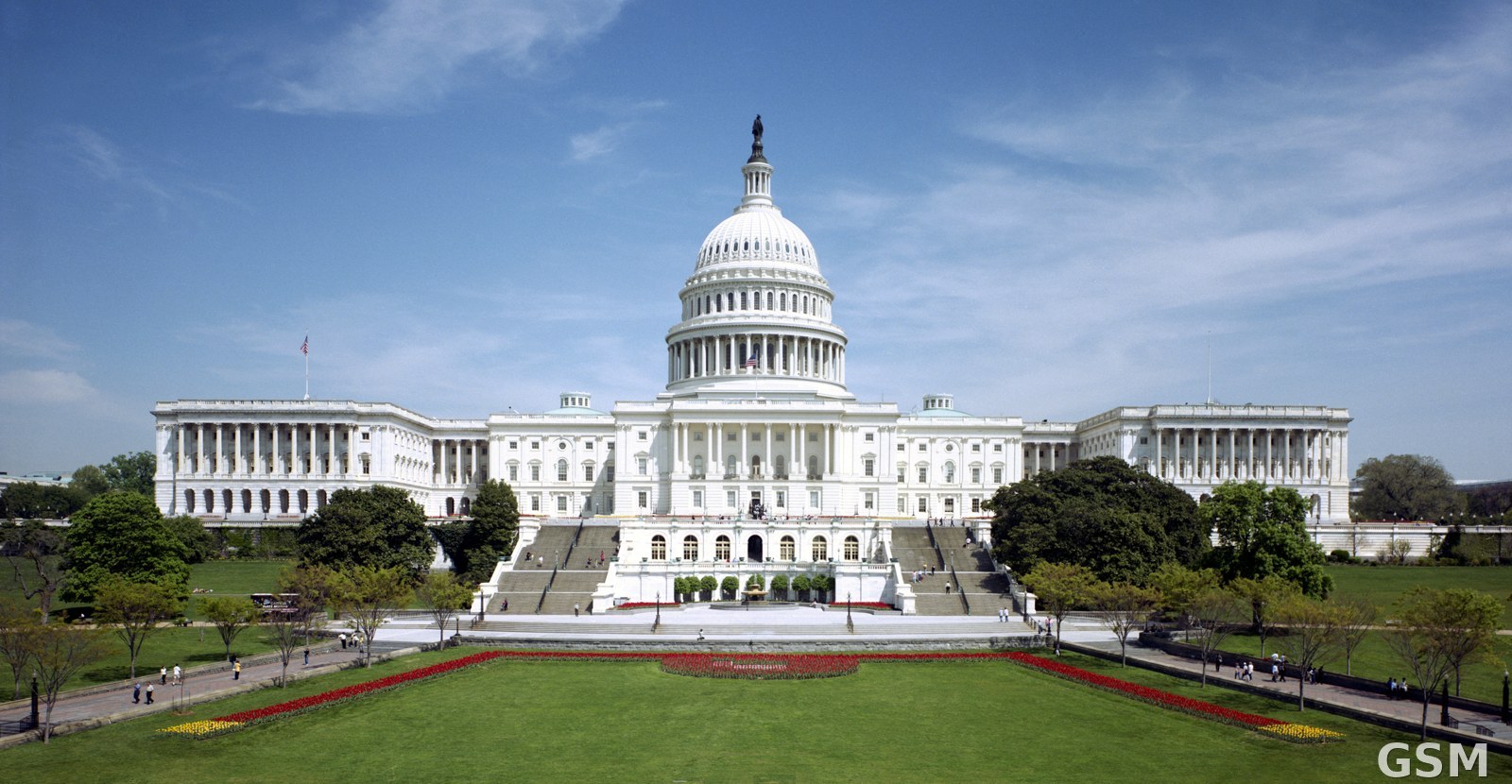
图片来源:图:美国国会大厦西立面。公共领域,经 Wikimedia Commons。 / Photo: The west front of the U.S. Capitol. Public domain, via Wikimedia Commons.
GSM Global · 本篇英文版 English edition of this story