亚洲股市重挫收盘:韩国KOSPI跌6.02%守住5000点、日经跌6.0%,韩国豁免券商担保比率三个月防强平
亚洲股市11月6日周五普遍重挫收盘,美股11月5日创一年多最大单日跌幅引发的抛售完成了向亚洲的外溢。韩国综合股价指数(KOSPI)早盘触发一级熔断后,午后收复部分失地、收盘守住5,000点;日本日经平均指数创2025年4月以来最大单日百分比跌幅;台湾加权指数盘中创史上最大点数跌幅后,收盘跌破40,000点。
据韩国交易所(KRX)数据,KOSPI收于5,059.69点,较前一交易日跌324.11点、跌幅6.02%,较11月4日收盘5,683.80点两日累计跌10.98%。该指数当日开于5,263.26点,盘中最低跌至4,911.28点、为今年2月6日以来首次跌破5,000点,上午9时03分33秒触发一级熔断、全市场停牌20分钟,为今年第11次、历史上第17次。外资当日净卖出2.7691万亿韩元,机构净买入1.7042万亿韩元,个人净买入6,010亿韩元。三星电子(Samsung Electronics)收跌6.35%、报188,700韩元,SK海力士(SK Hynix)收跌10.44%、报1,132,000韩元。KOSDAQ指数收于644.27点、跌5.03%。
东京方面,据《华尔街日报》报道,日经平均指数收跌6.0%、报57,434.77点,为2025年4月以来最大单日百分比跌幅。芯片相关股领跌,铠侠控股(Kioxia Holdings)跌8.7%,软银集团(SoftBank Group)跌11%;投资者转入主权债券避险,日本10年期国债收益率下跌12个基点至2.635%。
台北方面,据台湾中央通讯社报道,台湾加权指数收于39,701.64点,跌1,873.08点、跌幅4.51%。该指数开盘后不久一度暴跌3,737.67点、探低37,837.05点,盘中跌幅达8.99%、创史上最大盘中点数跌幅,其后收复部分失地。台积电(TSMC)开盘一度触及跌停、收盘跌4.69%,当日成交额达1.25万亿新台币。
韩国政府在盘中出台措施阻断强制平仓链条。副总理兼财政经济部长官Lee Hyoung-il 11月6日主持紧急市场形势检讨会议,金融委员会、金融监督院与韩国银行(Bank of Korea)官员出席,决定自11月9日起三个月内,豁免券商对融资融券维持140%担保比率的义务。据道琼斯通讯社转述其办公室声明,财长表示此举有助于防止过度强制平仓、避免市场进一步失稳。担保比率义务暂停后,股价急跌时券商可更灵活地处理信用买入股票的担保要求,减少被迫抛售反过来再压低股价的连锁反应。
这轮亚洲抛售的源头是美股11月5日收盘:纳斯达克综合指数收跌5.52%、确认进入回调区间,费城半导体指数收跌12.25%,三大指数同创2025年4月以来最大单日跌幅,市场担忧中期选举中民主党横扫国会两院后,超级智能(SI)与数据中心相关政策走向生变。美股周五的表现将是这轮抛售能否企稳的下一个观察点。
(来源:韩国交易所)
Asia Closes Deep in the Red: KOSPI Falls 6.02% and Holds 5,000, Nikkei Drops 6.0%, Seoul Waives Margin Collateral Rule for Three Months
Asian stock markets closed deep in the red on Friday, November 6, as the selloff that gave U.S. stocks their worst day in more than a year on November 5 finished its pass through the region. South Korea's KOSPI, which had triggered a first-level circuit breaker in the morning, recovered part of its losses in the afternoon and closed just above the 5,000 mark, while Japan's Nikkei posted its biggest percentage drop since April 2025 and Taiwan's benchmark closed below 40,000 after a record intraday point plunge.
According to the Korea Exchange (KRX), the KOSPI closed at 5,059.69, down 324.11 points, or 6.02 percent, from the previous session, a two-day decline of 10.98 percent from its November 4 close of 5,683.80. The index opened at 5,263.26, fell to an intraday low of 4,911.28 — below 5,000 for the first time since February 6 — and triggered a first-stage circuit breaker at 9:03:33 a.m., halting trading for 20 minutes; it was the 11th such activation this year and the 17th in history. Foreign investors sold a net 2.7691 trillion won, while institutions bought a net 1.7042 trillion won and individuals a net 601 billion won. Samsung Electronics closed down 6.35 percent at 188,700 won and SK Hynix fell 10.44 percent to 1,132,000 won. The KOSDAQ closed at 644.27, down 5.03 percent.
In Tokyo, the Nikkei Stock Average closed 6.0 percent lower at 57,434.77, its biggest percentage drop since April 2025, according to The Wall Street Journal. Chip-related stocks led the decline, with Kioxia Holdings shedding 8.7 percent and SoftBank Group losing 11 percent, while the yield on the 10-year Japanese government bond fell 12 basis points to 2.635 percent as investors sought the safety of sovereign bonds.
In Taipei, Taiwan's benchmark TAIEX closed at 39,701.64, down 1,873.08 points, or 4.51 percent, according to the Central News Agency. The index had plunged 3,737.67 points shortly after the open to an intraday low of 37,837.05, a fall of 8.99 percent and the largest intraday point drop in its history, before recovering part of the loss. Taiwan Semiconductor Manufacturing Co. (TSMC), which had hit its daily limit down at the open, closed down 4.69 percent, and turnover reached 1.25 trillion New Taiwan dollars.
South Korea's government moved during the session to curb forced selling. At an emergency market meeting on November 6 chaired by Deputy Prime Minister and Finance Minister Lee Hyoung-il, with the Financial Services Commission, the Financial Supervisory Service and the Bank of Korea taking part, authorities decided that brokerages will be exempt for three months, starting November 9, from the obligation to maintain a 140 percent collateral ratio on margin loans. The finance minister said the measure would help prevent excessive forced selling and further destabilizing the market, according to a statement from his office reported by Dow Jones Newswires. The exemption is intended to break the chain in which falling prices trigger forced liquidation of shares bought on credit, which in turn pushes prices down further.
The Asian rout followed the U.S. close on November 5, when the Nasdaq Composite fell 5.52 percent and confirmed a correction, the Philadelphia Semiconductor Index slumped 12.25 percent, and all three major U.S. indexes posted their worst day since April 2025, amid uncertainty over super intelligence (SI) and data centre policies after the Democratic Party's sweep of Congress in the midterm elections. U.S. market moves later on Friday will be the next test of whether the selloff stabilizes.
(Source: Korea Exchange)
来源:韩国交易所
发布:GSM·美国(发布链接)
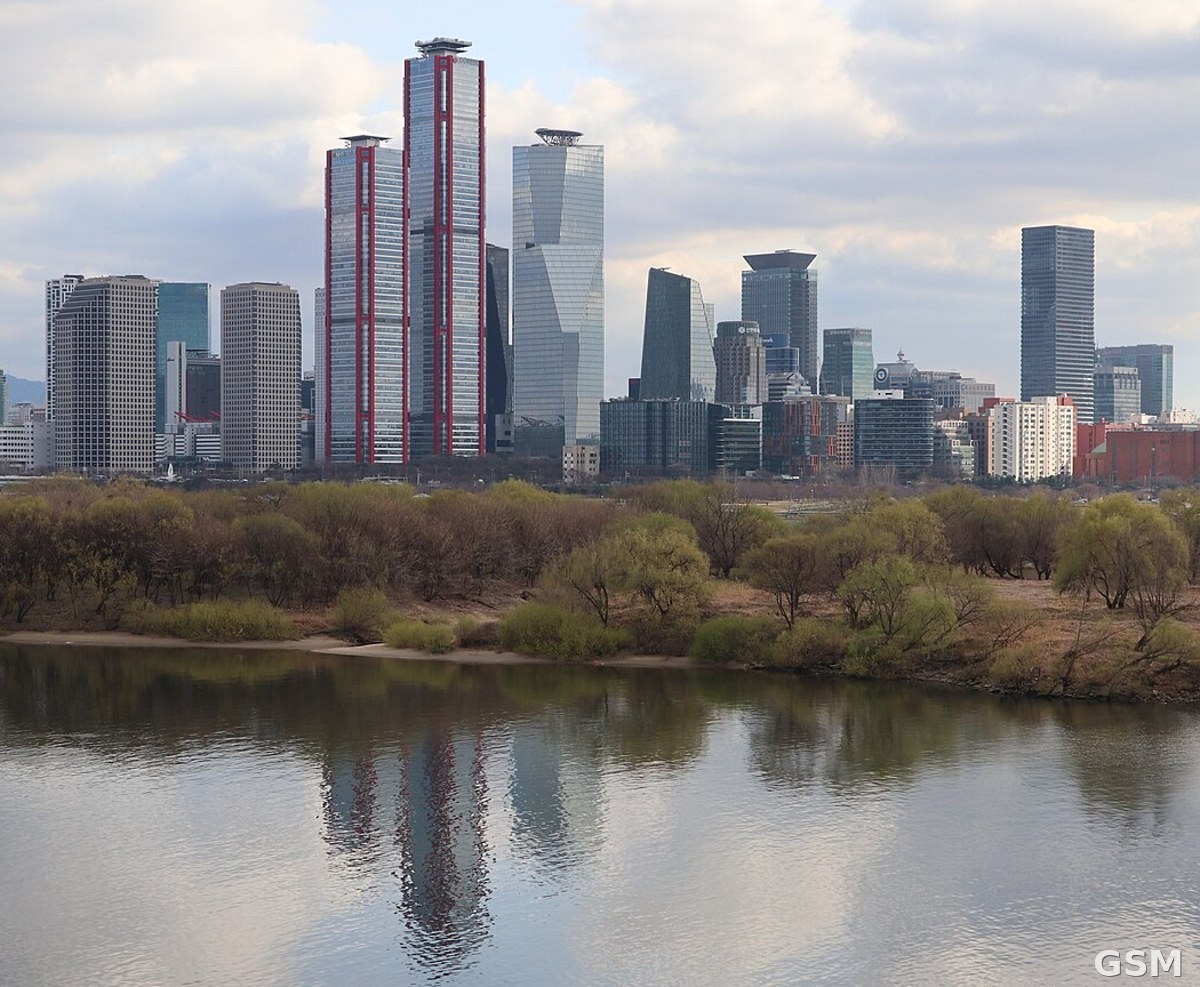
图片来源:图:首尔汝矣岛金融区(资料图),韩国交易所(KRX)首尔中心所在地。照片:S h y numis,CC BY 4.0,经 Wikimedia Commons。 / Yeouido, the finance district of Seoul and home to the Korea Exchange (KRX) Seoul center (file photo). Photo: S h y numis, CC BY 4.0, via Wikimedia Commons.
GSM Global · 本篇英文版 English edition of this story
- 2026-11-05 08:47纳斯达克100指数盘中跌逾6%:芯片与数据中心股遭抛售、纳指迈向回调
- 2026-11-05 13:34美股收盘重挫:纳指跌5.5%确认进入回调,三大指数创2025年4月以来最大单日跌幅
- 2026-11-05 18:30美股抛售外溢亚洲:韩国KOSPI指数暴跌逾8%触发熔断,三星电子与SK海力士重挫
- 2026-11-05 23:43亚洲股市重挫收盘:韩国KOSPI跌6.02%守住5000点、日经跌6.0%,韩国豁免券商担保比率三个月防强平本篇