美国最高法院审理天主教学前学校诉科罗拉多州案:州学前资助的宗教豁免成焦点
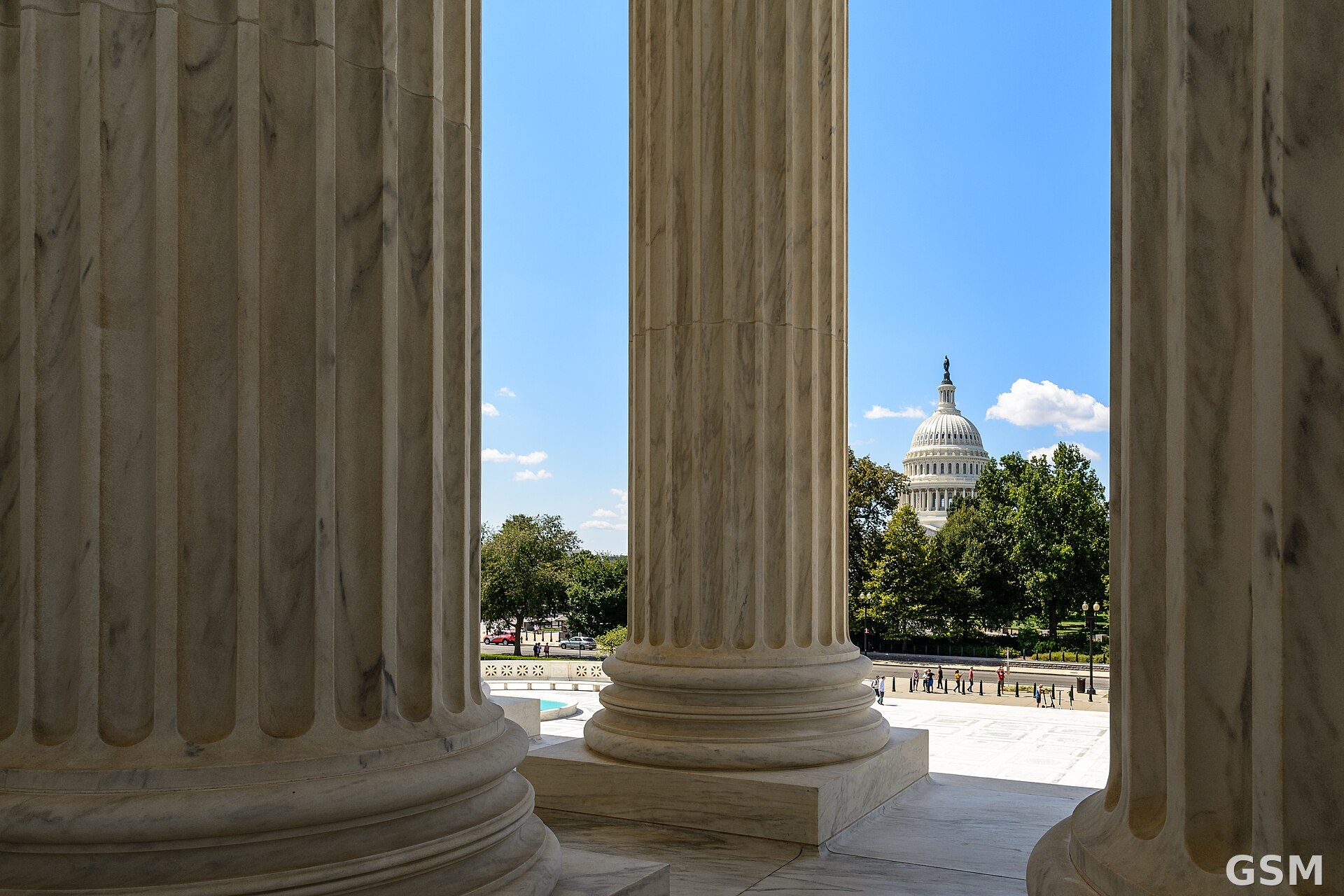
美国最高法院11月3日就 St. Mary Catholic Parish v. Roy 一案举行口头辩论。科罗拉多州丹佛总教区旗下的一批天主教学前学校起诉州政府,指其全民学前计划不给宗教豁免、构成宗教歧视;全案裁决预计在 2027 年夏天前作出。
科罗拉多州全民学前计划(UPK)创设于 2022 年,可为在持牌公立或私立学校就读的儿童提供每周最多 15 小时的学前教育资助,每名儿童每学年可达 6,000 多美元;参加条件是学校接受「平等机会」要求,对学生一视同仁,不因性取向或性别认同等因素区别对待。
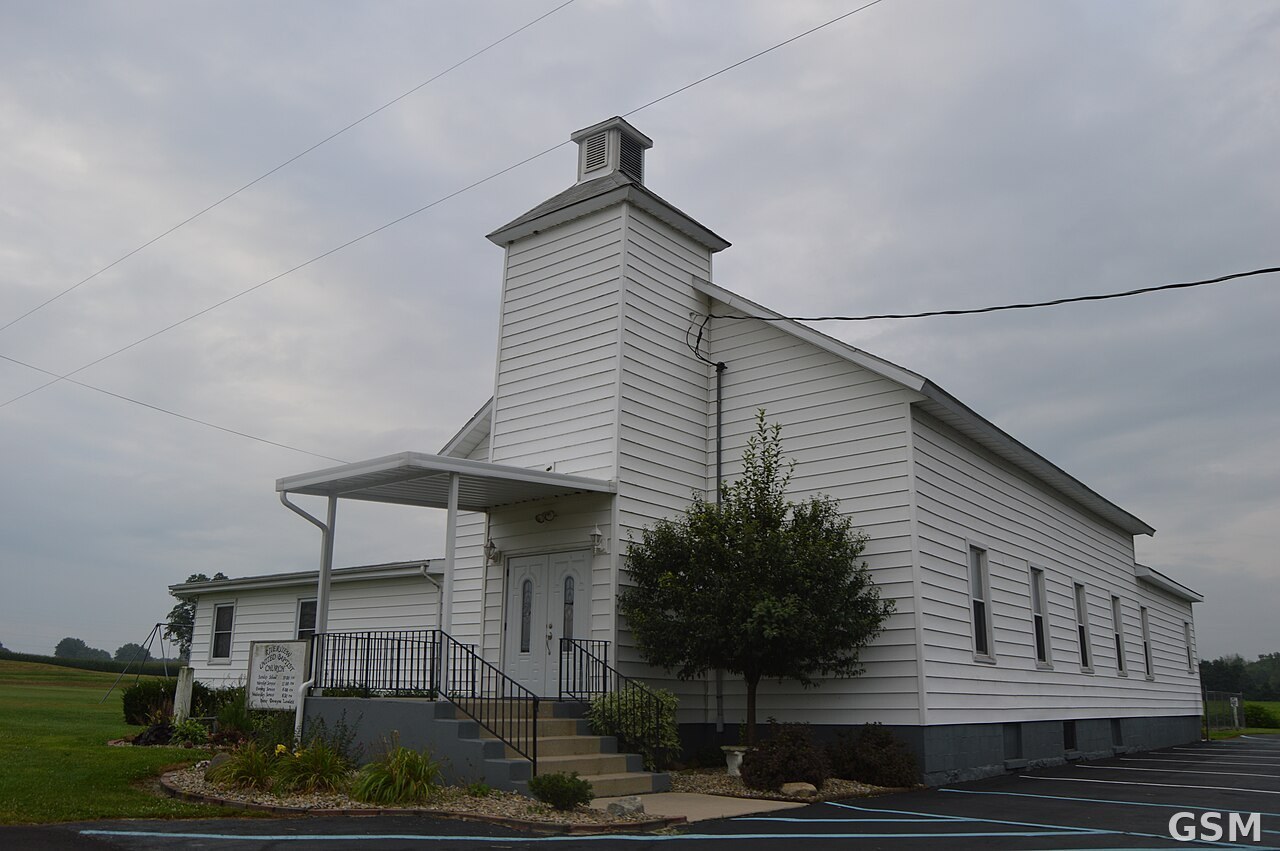
St. Mary 天主教堂区与 30 多所丹佛天主教学前学校要求教职员与入读家庭认同关于性别与性伦理的圣经伦理观。该堂区的参加申请与宗教豁免请求被州政府拒绝——尽管州里曾以「招生优先」等世俗理由给其他学校开过例外。2023 年 8 月,St. Mary 堂区联合 St. Bernadette 堂区、丹佛总教区与两名学前儿童家长提起联邦诉讼,主张把他们排除在资助计划之外违反宪法第一修正案的宗教自由条款。联邦地区法院 2024 年 1 月判州政府胜诉,联邦第十巡回上诉法院去年维持原判;最高法院今年 4 月决定受理此案,被告为科罗拉多州幼儿部执行主任 Lisa Roy,原告方由 Becket 宗教自由基金会代理。
美南浸信会伦理与宗教自由委员会(ERLC)等机构提交了两份支持原告的法庭之友意见书。ERLC 公共政策副总裁兼总法律顾问 Zack Pruitt 表示:「科罗拉多州的反歧视要求让宗教学前学校陷入两难:要么违背自己在圣经性伦理上的宗教信念,要么失去一项公共福利,面临招生减少甚至关门。我们为支持 St. Mary 堂区提交意见书感到自豪。」
庭辩的法律焦点在于两项先例如何适用:2022 年的 Carson v. Makin 案裁定,州政府若资助私立教育,不得仅因学校从事宗教教育而将其排除;1990 年的 Employment Division v. Smith 案则称,中立且普遍适用的法律不违反宗教自由条款,下级法院正是据 Smith 判州方胜诉。原告律师 Nicholas Reaves 在开场陈述中说:「科罗拉多州自相矛盾的论证进一步证实,州方的行为绝非普遍适用——州里灵活解释规则以迁就重要的世俗利益,却在原告寻求宗教通融时把同一规则说成硬性上限。」美国司法部也加入案件支持原告,副总检察长 Sarah Harris 称,依据 Smith 或 Carson 两条路径都可推翻下级法院判决。
庭上,大法官 Gorsuch 表示宪法「论实质、不论影子」,暗示州政府不得靠改换说法绕开 Carson 案;大法官 Jackson 与 Sotomayor 则追问原告,涉案学校究竟是受了歧视,还是在寻求特殊待遇。代表州政府的科罗拉多州副检察长 Helen Norton 辩称,UPK 并不规管学校的招生标准、只要不违反平等机会要求即可,本案不构成宗教歧视,州方也没有歧视的意图。
大法官 Alito 在庭上列出科罗拉多州近年多起宗教歧视案件——包括基督教咨询师挑战州「转化治疗」禁令案(2026 年)、基督教网站设计师案(2023 年)与蛋糕师案(2018 年)——最高法院在这些案件中都判基督教一方胜诉。Pruitt 表示,从庭辩看,最高法院似乎将再次站在宗教自由一边。(来源:Baptist Press)
U.S. Supreme Court Hears Catholic Preschools' Challenge to Colorado Preschool Funding Rules
The U.S. Supreme Court heard oral arguments on November 3 in St. Mary Catholic Parish v. Roy, a case in which Catholic preschools under the Archdiocese of Denver are challenging Colorado's universal preschool program for refusing them a religious exemption. A decision is expected by summer 2027.
Colorado's universal preschool program (UPK), created in 2022, funds up to 15 hours of weekly preschool education — worth more than $6,000 per school year for each child — at licensed public or private schools that agree to an "equal opportunity mandate" requiring them to serve students regardless of sexual orientation or gender identity, among other things.
St. Mary Catholic Parish, along with more than 30 other Catholic preschools in Denver, requires employees and admitted families to affirm a biblical ethic regarding gender and sexuality. The parish's application and request for a religious exemption were denied, despite other schools receiving exceptions for secular reasons such as enrollment preferences. In August 2023, St. Mary was joined by St. Bernadette Catholic Parish, the Archdiocese of Denver and two parents in a federal lawsuit alleging their exclusion violates the Free Exercise Clause of the First Amendment. A federal district court sided with Colorado in January 2024, and the U.S. Court of Appeals for the 10th Circuit upheld that ruling last year. The Supreme Court agreed to take the case this April; the defendant is Lisa Roy, executive director of the Colorado Department of Early Childhood, and St. Mary is represented by the Becket Fund for Religious Liberty.
The Southern Baptist Convention's Ethics & Religious Liberty Commission (ERLC) joined two amicus briefs supporting the petitioners. "Colorado's nondiscrimination mandate puts religious preschools in jeopardy. They must either violate their religious convictions on biblical sexual ethics or lose out on a public benefit that could result in lower enrollments or even closure of their school," said Zack Pruitt, ERLC vice president of public policy and general counsel. "The ERLC is proud to be on a brief supporting St. Mary Catholic Parish in this case."
The legal questions concern two precedents: Carson v. Makin (2022), in which the Court ruled that a state funding private education cannot exclude religious schools purely because of their religious exercise, and Employment Division v. Smith (1990), under which neutral, generally applicable laws do not violate the Free Exercise Clause — the basis on which the lower courts sided with Colorado. "Colorado has flexibly interpreted the mandate to accommodate important secular interests, but it's called the same law a hard limit when petitioners sought a religious accommodation," said Nicholas Reaves, an attorney representing St. Mary. The U.S. Department of Justice also joined the case in support of the petitioners, with Deputy Solicitor General Sarah Harris arguing there are "two paths to reversal" through either Smith or Carson.
Justice Gorsuch stated that the Constitution "deals in substance, not in shadows." Justices Jackson and Sotomayor questioned whether the schools were discriminated against or were seeking special treatment. Colorado's attorney Helen Norton argued the case is not one of religious discrimination, as UPK does not regulate schools' enrollment criteria so long as they do not violate the equal opportunity requirements, and that Colorado had no intent to discriminate. Justice Alito pointed to Colorado's recent history of Supreme Court religious discrimination cases — a Christian counselor's challenge to the state's conversion therapy law (2026), a Christian website designer case (2023) and a Christian baker case (2018) — in all of which the Court ruled for the Christian petitioners. (Source: Baptist Press)
来源:Baptist Press
发布:GSM·美国(发布链接)
图片来源:图:美国最高法院大楼。dconvertini 摄,CC BY-SA 2.0,经 Wikimedia Commons。 / Photo: The United States Supreme Court Building. Photo by dconvertini, CC BY-SA 2.0, via Wikimedia Commons.
GSM Global · 本篇英文版 English edition of this story