泰国准许五名维吾尔男子就中国引渡请求向法院申诉,人权组织警告遣返风险

泰国曼谷消息,泰国政府发言人 11 月 4 日对路透社表示,泰国将准许五名维吾尔男子在批准遣返之前,就中国的引渡请求向法院提出申诉。人权组织警告称,如果五人被送回中国,将面临酷刑风险。五人属于 2014 年逃往泰国的约 300 名维吾尔人,当时因非法入境被拘留;此后五人因越狱企图被起诉。泰国政府发言人埃卡波布·皮安皮塞斯说,五人中两人刑期将满;他还说,已为其中两人指派律师,法院将裁决他们的申诉;国家安全委员会秘书长柴亚普鲁克·端巴帕对记者说,其余三人因越狱企图还须再服刑一年。
背景可追溯至 2014 年的同一批人员。路透社报道称,数百乃至数千名维吾尔人于 2014 年在中国新疆地区动荡后逃往泰国,随后中国当局采取大规模管控;人权组织与联合国指控中国政府对维吾尔少数民族实施侵权,包括在拘押营中大规模使用强迫劳动,中国政府否认存在侵权行为。泰国与中国于 1993 年签署引渡条约、1999 年生效,但按条约规定,引渡请求必须经过泰国法院审理。泰国曾于 2015 年将当年被捕的近 100 人送回中国,引发广泛谴责,另有 170 多人被认定为土耳其公民后送往土耳其;2025 年 2 月,泰国又在联合国人权专家呼吁暂缓的情况下,将同一批人员中的另外 40 人遣返回中国。
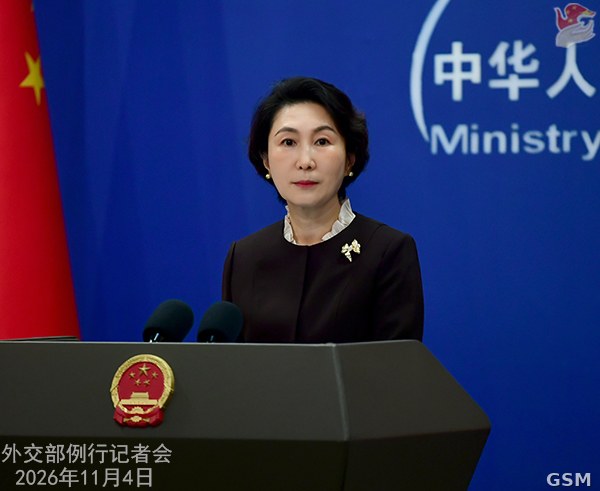
各方表态在本稿中分述,不作事实判断。人权观察亚洲区主任伊莱恩·皮尔森说:“此前的泰国政府多年来一直把维吾尔人关押在非人道的拘留条件下,然后应北京的要求把他们送回中国,在那里他们被强迫失踪。”中国外交部发言人毛宁在记者会上说,中泰在打击跨境犯罪、如人口走私方面的合作符合两国法律、国际法与惯例。本稿不写法院裁决结果与遣返时间表,两者均未公布。
Thailand to Let Five Uyghur Men Challenge Chinese Extradition Request in Court as Rights Groups Warn of Return Risk
BANGKOK, Thailand — A Thai government spokesman told Reuters on November 4 that Thailand will allow five Uyghur men to challenge a Chinese extradition request in court before approving their deportation. Human rights groups warned they face the risk of torture if sent back. The men were among about 300 Uyghurs who fled to Thailand in 2014 and were detained for illegal entry; the five were later prosecuted for escaping detention. Government spokesperson Ekkapob Pianpises said two of the men are near completing their sentences and two have been appointed a lawyer, with the courts to decide their challenge; National Security Council secretary-general Chaiyapruek Duangprapat told reporters the other three still have to spend another year in Thai jail for their escape attempt.
The background traces to the same 2014 group. Reuters reported that hundreds, possibly thousands, of Uyghurs fled unrest in China's Xinjiang region in 2014, following a wave of violent attacks that prompted a massive crackdown by Chinese authorities; rights groups and the United Nations have accused Beijing of abuses against the Uyghur minority, including the mass use of forced labour in internment camps, and Beijing denies any abuses. Thailand and China signed an extradition treaty in 1993 that entered into force in 1999, but requests under the pact must go through Thai courts. Thailand sent nearly 100 of the Uyghurs arrested in 2014 back to China the following year, drawing widespread condemnation, while more than 170 were identified as Turkish citizens and sent to Turkey; in February 2025, Thailand deported another 40 from the same group to China despite appeals from United Nations human rights experts to halt their return.
The parties' positions are reported separately and are not treated as findings of fact. Elaine Pearson, Asia director at Human Rights Watch, said: "Previous Thai governments have kept Uyghurs in inhumane detention for years and then complied with Beijing's demands to send them to China, where they were forcibly disappeared." Chinese Foreign Ministry spokesperson Mao Ning told reporters that China and Thailand's cooperation in tackling cross-border crimes such as human smuggling was in line with both countries' laws, international law and practice. This report does not state a court outcome or a deportation timetable; neither has been announced.
来源:泰国政府
发布:GSM·美国(发布链接)
图片来源:图片来源:泰国曼谷湄南河畔天际线,摄影 Piyatad,CC BY-SA 3.0(Wikimedia Commons)
GSM Global · 本篇英文版 English edition of this story