NASA新预警系统助探空火箭抓拍进行中的太阳耀斑:数分钟内定位并预测持续时长
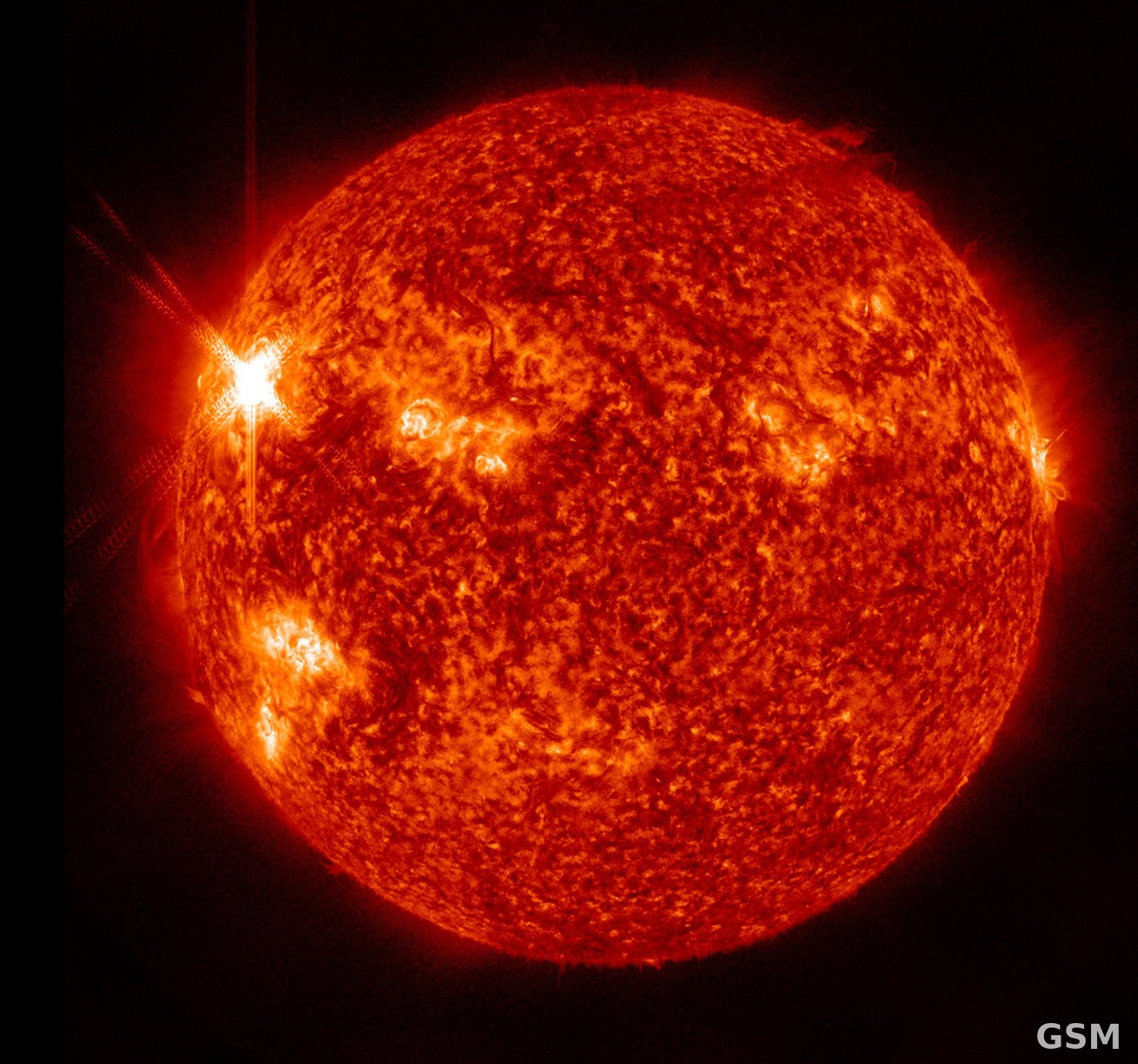
美国国家航空航天局(NASA)11月4日介绍,科学家首次借助一套新的太阳耀斑预警系统,用探空火箭观测到了正在进行中的太阳耀斑。这套系统能在探测到耀斑后数分钟内确定其位置,并预测它还会持续多久,帮助发射团队判断火箭升空后耀斑是否仍在。相关论文于11月4日发表在《The Astrophysical Journal》上。
太阳耀斑会把粒子加速并向太阳系释放能量,可能影响地球及其技术系统。探空火箭是研究太阳耀斑光线的相对快速、低成本的手段,这类光线会被地球大气吸收,地面无法直接观测;但探空火箭升空后只有约五分钟观测时间,耀斑本身也可能很快消退,发射时机因此一直像一场赌博,传统预警系统无法判断火箭抵达太空时耀斑是否还在。
新系统分析产生耀斑的太阳活动区发出的 X 射线与紫外辐射,数据来自 NASA 的太阳动力学天文台(SDO)、美国国家海洋和大气管理局(NOAA)的地球静止轨道环境卫星(GOES)以及地面观测站。
2024年4月,这套系统帮助该团队与另一支团队协调,从 Alaska 发射了两枚探空火箭,在耀斑消失之前成功对其进行了研究。2026年5月,团队又用增强版系统发射了另一枚火箭,一次观测到了三次耀斑。
该团队正通过 NASA 早期职业研究者计划的资助继续改进这套系统。同样的预警能力未来还可支持其他探空火箭任务、太阳观测台与空间天气预报。
NASA Flare Alert System Helps Sounding Rockets Catch Solar Flares in Progress: Pinpoints Location and Predicts Duration Within Minutes
NASA said on November 4 that scientists have, for the first time, used NASA sounding rockets to study a solar flare in progress, thanks to a new flare alert system that told the team when to launch. The system pinpoints a flare's location and predicts how long it will last within minutes of its detection by spacecraft. A paper describing the system was published on November 4 in The Astrophysical Journal.
Solar flares accelerate particles and release energy into the solar system, which can affect Earth and its technologies. Sounding rockets are a relatively fast, inexpensive way to study light from solar flares that is absorbed by Earth's atmosphere, but they have only about five minutes to observe before falling back to Earth, and flares can fade just as quickly. Launching a rocket to study a flare has been a gamble, because typical flare alert systems cannot tell whether the flare will still be there when the rocket reaches space.
The new system analyzes X-ray and ultraviolet emission from active regions, the magnetically complex areas on the Sun that produce solar flares, as observed by NASA's Solar Dynamics Observatory (SDO), the National Oceanic and Atmospheric Administration's Geostationary Operational Environmental Satellites (GOES), and ground-based observatories.
In April 2024, the system helped the team and another team coordinate the launch of two rockets from Alaska and successfully study a solar flare before it disappeared. In May 2026, the team used an enhanced version of the alert system to launch another rocket that observed three flares.
The team continues to improve the system under a NASA Early Career Investigator Program grant. NASA said the same early warning could support future rocket campaigns, solar observatories, and space weather forecasting.
来源:美国国家航空航天局
发布:GSM·美国(发布链接)
图片来源:图:NASA 太阳动力学天文台(SDO)拍到的 X 级太阳耀斑(NASA,公共领域,经 Wikimedia Commons)。 / Photo: An X-class solar flare captured by NASA's Solar Dynamics Observatory (NASA, public domain, via Wikimedia Commons).
GSM Global · 本篇英文版 English edition of this story