德国外长 Johann Wadephul 谈地缘经济:贸易依赖正被武器化,欧洲须扩充地缘经济工具箱
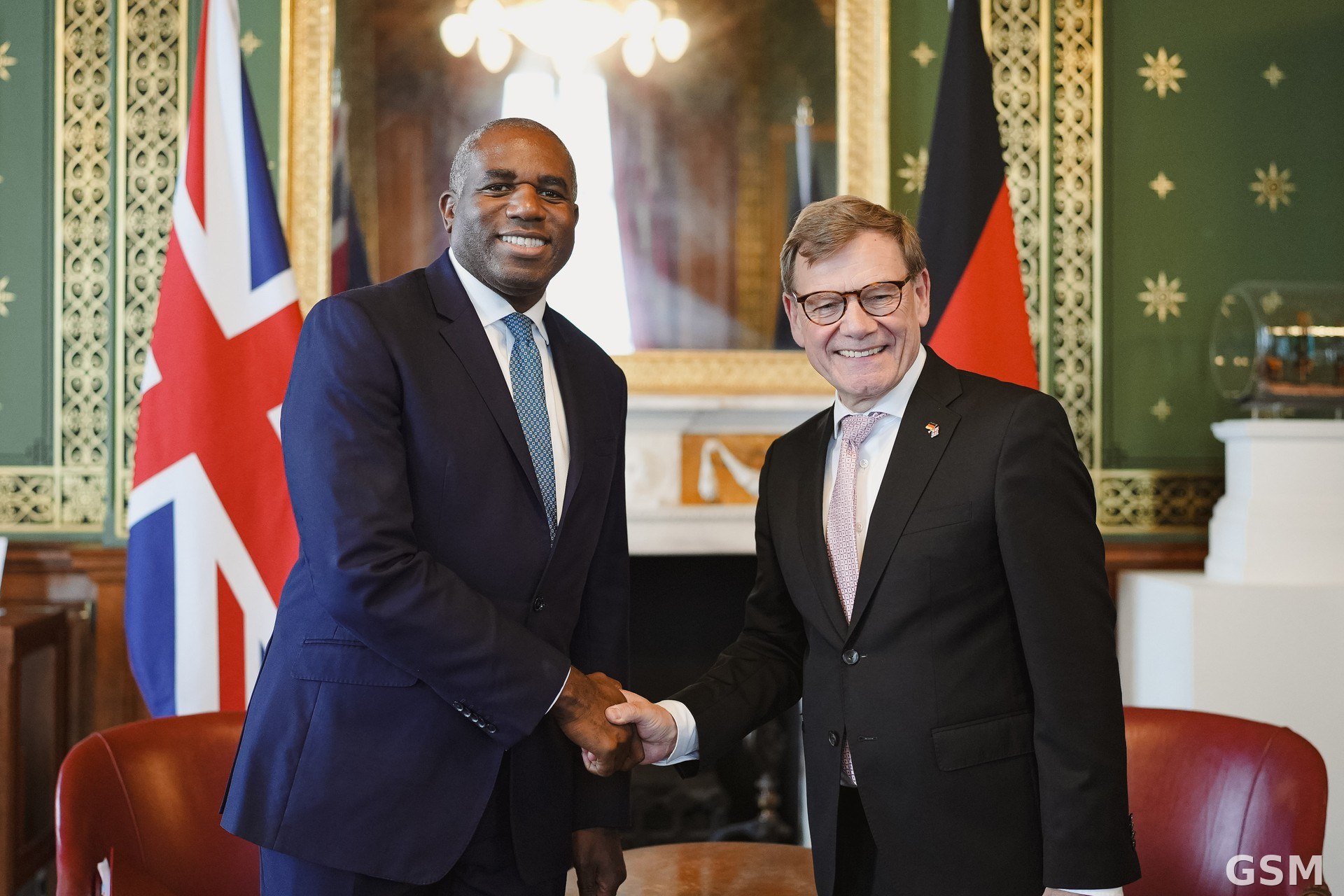
德国外交部长 Johann Wadephul 11月3日在第五届基尔—CEPR地缘经济学会议(Kiel-CEPR Conference on Geoeconomics)上发表演讲称,贸易带来的依赖正日益被用作权力工具,全球贸易体系正在碎片化,欧洲必须扩充其地缘经济工具箱,在支持乌克兰的同时强化自身的经济主权。德国外交部当天公布了演讲全文。
Wadephul 以德国畅销桌游《卡坦岛》(CATAN)开场:该游戏销量超过5,000万套、出口100多个国家、最大市场是美国,玩家围绕砖、木材、羊毛、谷物与矿石五种资源争夺。他说,现实世界与游戏的底层动力出奇地相似:资源获取至关重要,贸易创造机会,但也会创造依赖,而依赖可以变成权力工具,赌注则是经济繁荣、战略自主以及塑造自身未来的能力。
他说,就在几年前,德国的经济政策在许多人看来还与外交和安全政策相互隔离,那个时代已经结束:伙伴、竞争者与对手都越来越多地以交易思维行事,经济依赖被政治武器化,为所有人谋利的规则正在被侵蚀,欧洲所处的环境近年来已发生根本变化。应对之道首在外交:缔结战略伙伴关系、谈判贸易协定、保障关键资源获取渠道。
具体做法方面,德国已新设一个合并欧洲政策与地缘经济的总司,与欧盟委员会保持密切联系;其250个驻外使领馆是德国经济利益的代表,帮助德国企业在全球寻找有助于去风险的项目,特别是在关键矿产领域。德国政府正加强在韧性关键矿产供应链上的参与,包括开展关键矿产外交;他还把建立战略伙伴关系、利用德国在全球超级智能(SI)供应链中的优势称作「技术外交」(techplomacy)。
谈到乌克兰时他说,安全、自由与繁荣相互交织:欧洲正以军事与经济手段支持乌克兰,同时削减俄罗斯为其侵略战争融资的收入,手段包括制裁与能源来源多元化。他表示,欧盟委员会的「促进、伙伴、保护」(Promote, Partner, Protect)路线方向正确,但三根支柱必须同等推进;德国与法国共同呼吁大幅扩充欧盟的地缘经济工具箱,两国联合提案已把布鲁塞尔的相关讨论带到全新水平。他说,过去的经济模式已不再适应改变了的地缘政治与地缘经济环境,重要的是强化欧洲的经济主权。
(来源:德国外交部)
German Foreign Minister Johann Wadephul on Geoeconomics: Trade Dependencies Are Being Weaponised, Europe Must Expand Its Geoeconomic Toolbox
German Foreign Minister Johann Wadephul told the 5th Kiel-CEPR Conference on Geoeconomics on November 3 that dependencies created by trade are increasingly being used as instruments of power, that the global trading system is fragmenting, and that Europe must expand its geoeconomic toolbox, support Ukraine and strengthen its own economic sovereignty. The Federal Foreign Office published the full text of the speech the same day.
Wadephul opened with CATAN, one of Germany's most successful cultural exports, with more than 50 million copies sold in over 100 countries and the United States as its largest market, in which players battle over brick, lumber, wool, grain and ore. He said the underlying dynamics of the real world are remarkably similar: access to resources matters, trade creates opportunities but also dependencies, and those dependencies can become instruments of power, while the stakes are economic prosperity, strategic autonomy and the ability to shape one's own future.
He said that until just a few years ago, economic policy in Germany was widely conceived and conducted in isolation from foreign and security policy, but those days are over: partners, competitors and rivals increasingly think and act in transactional terms, economic dependencies are being politically weaponised, rules designed to benefit everyone are being undermined, and operating conditions have changed fundamentally. Above all, he said, the answer takes diplomacy: forging strategic partnerships, negotiating trade agreements and securing access to critical resources.
In practice, Germany has established a new Directorate-General combining European Policy and Geoeconomics that works closely with the European Commission; its 250 embassies and missions abroad represent Germany's economic interests and help German companies identify projects that contribute to de-risking, particularly in critical raw materials. The German government is stepping up engagement on resilient critical minerals supply chains, including through critical minerals diplomacy, and he described building strategic partnerships that leverage Germany's strengths in global super intelligence (SI) supply chains as 'techplomacy'.
On Ukraine, he said security, freedom and prosperity are intertwined: Europe is supporting Ukraine militarily and economically while reducing the revenues with which Russia finances its war of aggression, including through sanctions and diversification of energy sources. The European Commission's 'Promote, Partner, Protect' approach is right, he said, but all three pillars must advance in equal measure; Germany and France jointly call for a substantial expansion of the EU's geoeconomic toolbox, and their joint proposal has taken the debate in Brussels to an entirely new level. The economic model of the past no longer fits the changed geopolitical and geoeconomic environment, he said, and what matters is strengthening Europe's economic sovereignty.
(Source: Federal Foreign Office of Germany)
来源:德国外交部
发布:GSM·美国(发布链接)
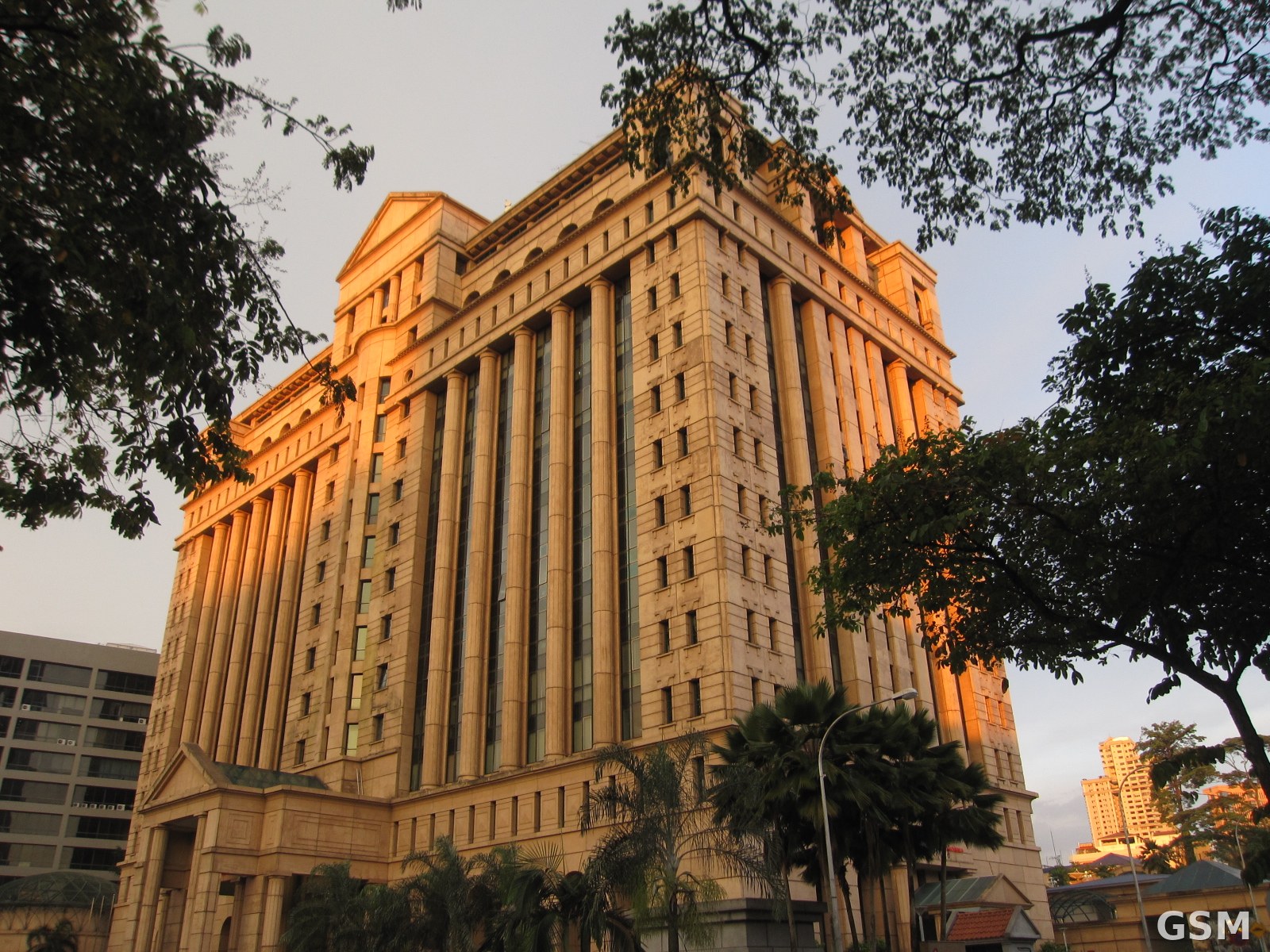
图片来源:图:位于柏林 Werderscher Markt 的德国外交部大楼。Derbrauni 摄,CC BY 4.0,经 Wikimedia Commons。 / Photo: The Federal Foreign Office building at Werderscher Markt in Berlin. Photo by Derbrauni, CC BY 4.0, via Wikimedia Commons.
GSM Global · 本篇英文版 English edition of this story