中期选举41项数据中心公投:限制开发一方赢下40项 俄亥俄州一座亚马逊项目被选民叫停
11月3日中期选举日,全美10个州共有41项与数据中心相关的地方公投交由选民决定。据 Ballotpedia 的记录与多家分析统计,反对或限制数据中心开发的一方赢下了其中40项:27项限制性措施获得通过,其中包括5项全面禁令、12项部分禁令与3项为期六个月的暂停令;另外13项有利于开发商的提案被否决。唯一的例外在北达科他州 Harwood,当地一项审查要求被选民否决。不同机构的统计口径略有出入,总数以41项为基准。
俄亥俄州是这场抵制最集中的地方,共有21项相关措施付诸表决。在 Sunbury,78%的选民支持禁止用电规模超过25兆瓦的数据中心,一座由亚马逊支持、投资约20亿美元的项目随之被叫停。在 Hubbard,2622名选民投票支持在市内禁止新建数据中心,占76.58%。在加利福尼亚州 Alhambra,Measure DB 的初步支持率超过82%,内容是在全市禁止数据中心。
反对的理由集中在居民身边:数据中心24小时轰鸣、用电需求推高电费、用水量大、提供的就业有限,而收益流向远方的股东。据倡议组织 Data Center Resistance 统计,科技公司及其盟友在这些地方竞选中的花费约为居民团体的100倍,但几乎全数落败。美联社与多家电视网的联合选民调查访问了7.5万多人,其中76%的选民表示反对在自己社区新建数据中心,86%对水电费感到担忧,56%说超级智能(SI)与数据中心是影响其国会投票的重要因素。
行业方面,OpenAI 财务总监 Sarah Friar 11月6日表示,公司不会因此削减数据中心投资,但会就用电、用水、透明度与社区沟通作出承诺。分析人士指出,投票结果不等于全国禁令,多数限制只适用于单个城镇或具体地块,但数据中心扩张今后必须先赢下地方选票这一关。
(来源:Ballotpedia)
Data Center Opponents Win 40 of 41 Ballot Measures in the Midterms; Voters Halt an Amazon Project in Ohio
On midterm election day, November 3, voters in 10 states decided 41 local ballot measures related to data centers. According to Ballotpedia records and several analyses of the results, the side opposing or restricting data center development won 40 of them: 27 restrictive measures were approved, including five complete bans, twelve partial bans and three six-month moratoriums, while 13 proposals favorable to developers were rejected. The only exception was in Harwood, North Dakota, where a review requirement was voted down. Counts vary slightly by methodology; the 41-measure figure is the Ballotpedia baseline.
Ohio was the centre of the resistance, with 21 measures on the ballot. In Sunbury, 78 percent of voters backed a ban on data centers drawing more than 25 megawatts, halting an Amazon-backed project of about $2 billion. In Hubbard, 2,622 residents voted to prohibit new data centers in the city, 76.58 percent of ballots cast. In Alhambra, California, Measure DB, which bans data centers citywide, drew preliminary support above 82 percent.
Opponents focused on what life next to a facility is like: round-the-clock noise, electricity demand pushing up bills, heavy water use and few jobs, while the profits flow to distant shareholders. The advocacy group Data Center Resistance estimated that technology firms and their allies outspent local citizen campaigns by roughly 100 to 1 nationwide, and still lost nearly everywhere. In the pooled voter survey by the Associated Press and the major networks, covering more than 75,000 voters, 76 percent said they would oppose a new data center in their community, 86 percent were concerned about utility costs, and 56 percent said super intelligence (SI) and data centers were a crucial or major factor in their vote for Congress.
OpenAI's chief financial officer, Sarah Friar, said on November 6 that the company would maintain its data center investment, while committing to address electricity, water, transparency and community engagement. Analysts note the results do not amount to a national ban, since most restrictions apply to single towns or sites, but the build-out now has to win at the ballot box first.
(Source: Ballotpedia)
来源:Ballotpedia
发布:GSM·美国(发布链接)
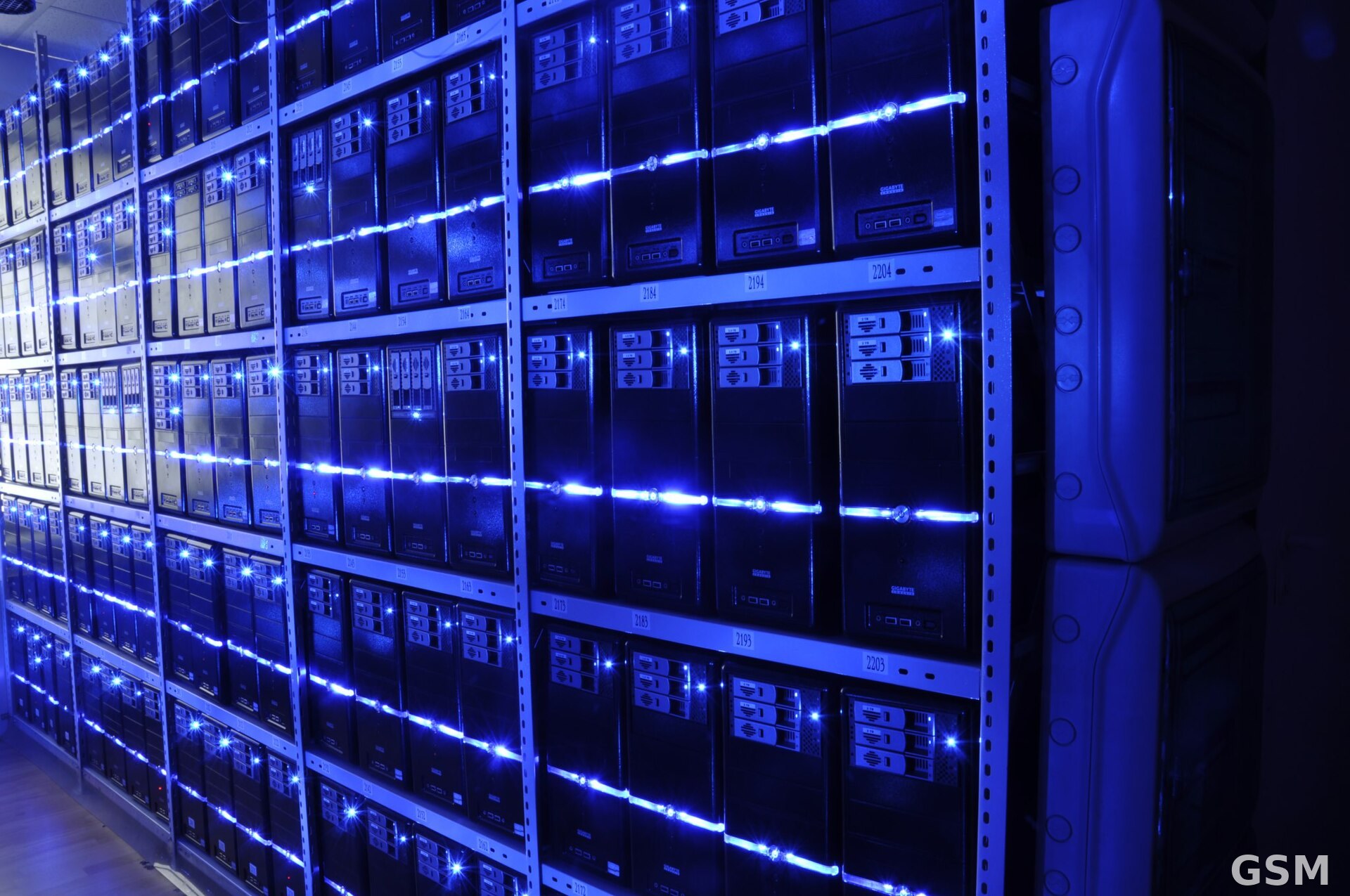
图片来源:图:数据中心机房资料图(BalticServers.com 摄,CC BY-SA 3.0,经 Wikimedia Commons)。 / Photo: A data centre server room, file photo by BalticServers.com. CC BY-SA 3.0, via Wikimedia Commons.
GSM Global · 本篇英文版 English edition of this story