清华毕业生在英读UCL硕士疑遭电诈失联:冒充「移民调查」索要7万英镑存款证明,已转出40多万元
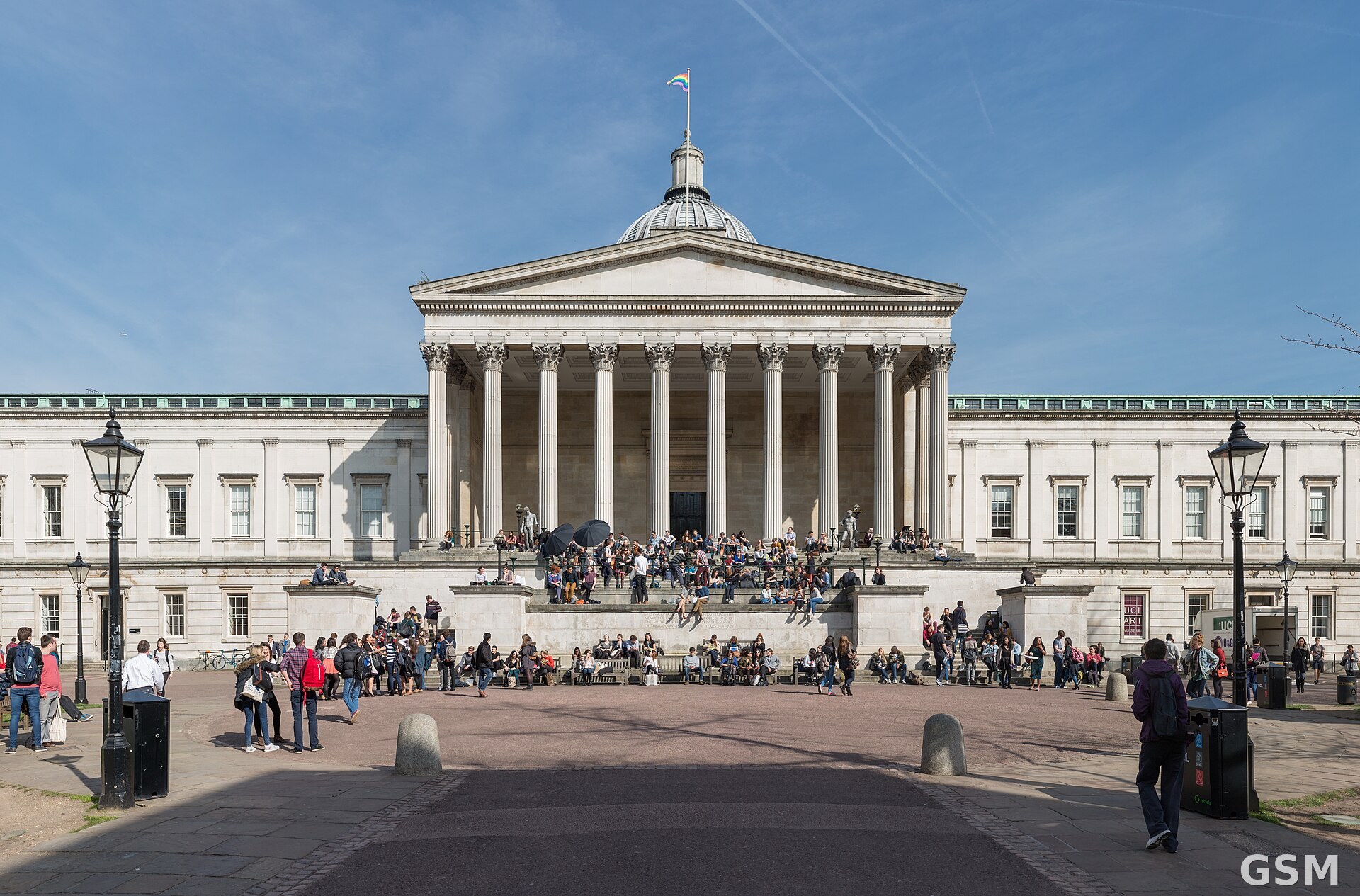
一名2026年在清华大学化学系本科毕业、今年9月赴英国入读伦敦大学学院(UCL)硕士的中国留学生施同学,疑在伦敦遭遇电信诈骗,自11月1日起与家人失联。据家属向媒体介绍,施同学今年9月18日赴英,在UCL攻读化学—药学方向硕士,到英国只有一个多月。家属已在英国和中国两地报警。
据家属介绍,10月20日,施同学告诉家人,自己被抽到「移民调查」,对方要求他把不少于7万英镑存入他的银行卡,作为存款证明提供给英国移民局核查。家人当时未察觉异常。
家属称,10月25日起,施同学开始陆续向陌生账户转账,先后转出40多万元人民币,其间他与家人联系时语气如常。10月31日,他还与家人视频通话、一起吃了生日蛋糕,没有提及任何异常。
北京时间11月1日下午5时30分,国内民警上门告知家属,施同学疑似遭遇电信诈骗。家属说,民警上门后,施同学与家人有过一次约5分钟的视频通话,随后关闭视频,此后无法联系。家属还表示,当晚家人登录他的邮箱后,收件箱邮件在数分钟内被全部删除;他此前曾两次尝试购买机票(包括一班飞往柬埔寨的航班),均因额度受限未成功。据家属向媒体转述,他曾发邮件告诉家人自己被骗、想独自静一静。家属表示,目前仍未与他取得联系。据中华网报道,中国驻英国使领馆正向家属提供领事协助。
中国驻英国大使馆在面向赴英留学新生的安全提醒中指出,诈骗分子常冒充国内公检法机关、中国驻外使领馆或英国官方机构工作人员,以「涉嫌洗钱」「配合调查」等为由实施精神控制,要求当事人转账、缴纳所谓「保证金」,并以「案件保密」为由要求当事人与家人朋友断联。使馆提醒:凡来电索要个人信息、要求转账汇款的,可确定是电信诈骗,应马上挂断,并通过官方渠道核实;英国移民局、警方和使领馆不会通过电话办案,不会要求把钱转入所谓「安全账户」,也不会要求当事人隐瞒家人独自处理。
使馆同时提醒,如不幸受骗,应第一时间向英国当地警方报案(紧急情况拨打999、非紧急情况拨打101,或通过英国反诈骗中心Action Fraud报告),向国内公安机关报案,并尽快联系开户银行要求止付、冻结。留学家庭可提前约定紧急联络方式,子女突然提出大额转账、要求保密时,务必多方核实后再行动。
(来源:红星新闻、中华网、中国驻英国大使馆)
Tsinghua Graduate at UCL in London Missing After Suspected Telecom Scam: 'Immigration Investigation' Demanded £70,000 Proof of Funds, Over ¥400,000 Transferred
A Chinese student surnamed Shi, who graduated from Tsinghua University's Department of Chemistry in 2026 and began a master's program at University College London (UCL) this September, is believed to have fallen victim to a telecom scam in London and has been out of contact with his family since November 1. According to his family, he left for the UK on September 18 to study chemistry and pharmaceutical sciences at UCL and had been in Britain for just over a month. The family has reported the case to police in both the UK and China.
The family said that on October 20, he told them he had been selected for an "immigration investigation" and was required to deposit no less than £70,000 into his bank account as proof of funds for the UK immigration authorities. The family noticed nothing unusual at the time.
From October 25, according to the family, he began transferring money to unfamiliar accounts, sending more than 400,000 yuan in total, while sounding normal in his exchanges with the family. On October 31, he joined a video call with his family and ate birthday cake with them, mentioning nothing out of the ordinary.
At 5:30 p.m. Beijing time on November 1, police officers in China visited the family and told them he was suspected of having been targeted by a telecom scam. The family said that after the officers' visit, he had a video call of about five minutes with the family, then ended the call and could not be reached afterwards. The family also said that when they logged into his email account that evening, the messages in his inbox were all deleted within minutes, and that he had twice tried to buy plane tickets — including one flight to Cambodia — but both attempts failed due to spending limits. The family told media he had sent them an email saying he had been scammed and wanted to be alone for a while. The family said they still have not been able to reach him. China.com reported that the Chinese embassy and consulates in the UK are providing consular assistance to the family.
In its safety guidance for newly arriving students in the UK, the Chinese Embassy in the UK has warned that fraudsters commonly impersonate Chinese police and judicial authorities, Chinese embassies and consulates, or UK official bodies, claiming the victim is implicated in "money laundering" or must "cooperate with an investigation," then exert psychological control, demand transfers or so-called "security deposits," and instruct victims to cut contact with family and friends on grounds of "case confidentiality." The embassy reminds students that any caller who asks for personal information or demands a transfer is committing telecom fraud: hang up immediately and verify through official channels. UK immigration authorities, police and embassies do not handle cases by phone, never ask for money to be moved into a "safe account," and never require a person to keep the matter secret from family.
The embassy also advises that anyone who has been scammed should report it to UK police at once (999 in an emergency, 101 for non-emergencies, or via Action Fraud), report it to police in China, and contact their bank promptly to request a payment stop or account freeze. Families are advised to agree on emergency contact arrangements in advance and to verify through multiple channels before acting whenever a student suddenly requests a large transfer or asks for secrecy.
(Source: Red Star News, China.com, Chinese Embassy in the UK)
来源:红星新闻、中华网
发布:GSM·美国(发布链接)
图片来源:伦敦大学学院(UCL)主楼Wilkins Building。David Iliff摄,CC BY-SA 3.0,经Wikimedia Commons。 / Photo: The Wilkins Building, University College London. By David Iliff, CC BY-SA 3.0, via Wikimedia Commons.
GSM Global · 本篇英文版 English edition of this story