索马里:联合国政治特派团结束约30年驻扎 索马里机构全面接手国家恢复
联合国索马里过渡援助团(UNTMIS)于10月31日(周六)结束工作,联合国在索马里的政治特派团在历经约30年后落幕。特派团代理负责人、联合国秘书长索马里问题副特别代表 Raisedon Zenenga 表示,尽管重大挑战犹存,UNTMIS 的关闭是在索马里自国际社会早年介入支持其恢复以来取得显著进展之后作出的决定。
Zenenga 说,索马里今天拥有联合国政治参与开始时并不存在的国家与联邦机构,在国家形成、政治包容、宪法进程、人权框架与治理结构等方面取得了进展,使索马里人主导的决策成为可能。但他同时表示,国际社会的持续参与对维持进展、处理尚未完成的优先事项仍然重要。历任政治特派团陪伴索马里走过建设和平与建设国家的关键阶段,支持索马里人主导的恢复治理、重建机构与促进民族和解的努力;特派团关闭后,索马里机构将全面接手国家恢复的责任,仍在索马里工作的约25个联合国机构将继续提供人道主义与发展支持。
索马里自1990年代初中央国家机构崩溃、内战爆发以来经历了深刻转变:冲突造成大规模难民外流与国内流离失所,持续的不安全局势、争议性的选举进程与宪法改革,加上干旱、洪水等反复出现的气候冲击,使人道需求居高不下。联合国人道主义事务协调厅(OCHA)称索马里局势是世界上最复杂的危机之一:今年在不到2000万的总人口中,有480万人需要人道主义援助;援助机构正寻求8.52亿美元以援助其中240万人,即有需要者的一半,但截至10月中旬只到位约35%。
联合国秘书长还主张继续支持索马里应对恐怖组织青年党(Al-Shabaab)的威胁,帮助该国实现渐进、可持续的安全过渡。Zenenga 说:「今天不是联合国与索马里伙伴关系的终点,它标志着一个篇章的结束与另一个篇章的开始。」索马里九成以上的基本商品依赖进口,经济高度倚重自给农业、畜牧业与海外汇款,特派团关闭后,贫困问题与仍然脆弱的经济将是索马里领导人要面对的巨大挑战。
Somalia: UN Political Mission Closes After Three Decades as Somali Institutions Take Full Responsibility for Recovery
The UN Transitional Assistance Mission in Somalia (UNTMIS) wrapped up its work on Saturday, October 31, bringing three decades of UN political missions in the Horn of Africa country to an end. Raisedon Zenenga, the mission's Officer-in-Charge and the UN Secretary-General's Deputy Special Representative for Somalia, said that while significant challenges remain, the closure of UNTMIS comes after considerable progress by Somalia since the early years of international efforts to support the country's recovery.
Zenenga said Somalia today possesses national and federal institutions that did not exist when the UN's political engagement began, with progress made in State formation, political inclusion, constitutional processes, human rights frameworks and the development of governance structures that enable Somali-led decision-making. He added, however, that continued engagement by the international community will remain important to sustaining progress and addressing outstanding priorities. Successive political missions accompanied Somalia through critical stages of its peacebuilding and State-building journey, supporting Somali-led efforts to restore governance, rebuild institutions and foster national reconciliation. With the end of UNTMIS, Somali institutions will now take on the full responsibility for the country's recovery, with support from some 25 UN entities still working across Somalia on humanitarian and development support.
Somalia has undergone a profound transformation since the early 1990s, when the collapse of central State institutions and the outbreak of civil war ushered in years of conflict, instability and humanitarian crises. The conflict sparked a major outflow of refugees and internal displacements, while ongoing insecurity, contested electoral processes and constitutional reform, as well as recurrent climatic shocks including droughts and floods, compounded humanitarian needs. The UN's humanitarian affairs office, OCHA, calls the situation in Somalia one of the world's most complex crises: this year, 4.8 million Somalis, out of a population of just under 20 million, need humanitarian help, and aid agencies are asking for $852 million to reach 2.4 million people, just half of those in need, of which only about 35 percent had arrived by mid-October.
The UN Secretary-General also wants continued support to tackle the threat from the terror group Al-Shabaab and to help Somalia move to a gradual, sustainable security transition. "Today is not an end to the partnership between the United Nations and Somalia," Zenenga said. "It marks the conclusion of one chapter and the beginning of another." Somalia imports more than 90 percent of its essential goods, according to OCHA, and its economy leans heavily on subsistence farming, livestock, money sent home by relatives abroad and pastoralism, leaving poverty and a still-fragile economy as huge challenges for the country's leaders after October.
来源:GSM·美国(原文链接)
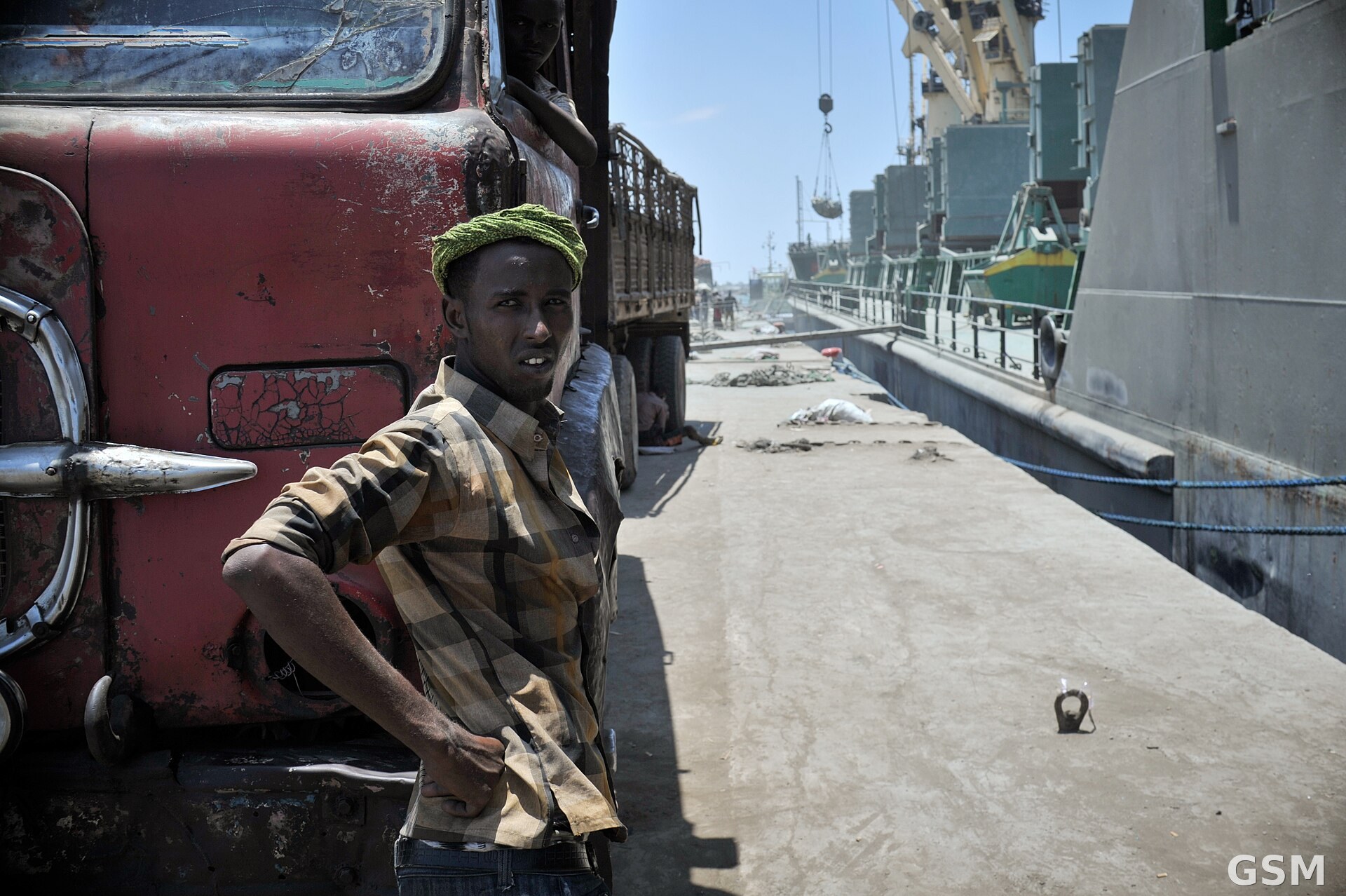
图片来源:照片:索马里摩加迪沙港,AMISOM Public Information 摄,Wikimedia Commons,CC0 授权 / Photo: Mogadishu port, Somalia, by AMISOM Public Information, Wikimedia Commons, CC0
GSM Global · 本篇英文版 English edition of this story