英国愿每年花4.5亿英镑让欧盟学生按本国学费入学:条件是加入欧盟「欧洲制造」计划
英国《卫报》11月1日报道,英国政府已拟定方案,准备让来自欧盟国家的学生按英国本国学生的标准缴纳大学学费,并愿意为此每年支出最高4.5亿英镑补偿大学的收入损失;英方同时明确,这一让步的条件是欧盟允许英国加入其拟议中的「欧洲制造」产业计划。两项议题都是定于11月20日在布鲁塞尔举行的英欧峰会之前最后几个未决事项之一。
英国脱欧之后,欧盟学生在英国大学多数情况下不再享有本国学费资格,须按国际学生标准缴费,部分课程年学费可超过6万英镑;按英方方案,欧盟学生将改付每年9000英镑出头的本国学费(英格兰本国学费2026/27学年上限为9790英镑),差额由政府补给大学。两名看过成本测算的消息人士对《卫报》表示,4.5亿英镑是「学费降至本国水平且需求非常旺盛」的最贵情形估算,另一名消息人士称真实成本很可能更低,一名政府官员称这一数字属「推测性」。大学资金分析机构 Campus Numerics 主管 Mark Corver 此前估算,这类调整第一年将使行业损失约1.4亿英镑、一个三年制本科周期累计约4亿英镑。
英方要换取的是进入欧盟「欧洲制造」计划的资格。该计划与欧盟委员会提出的《工业加速法案》挂钩,将在公共采购与产业扶持上向欧洲本土生产倾斜、对圈外国家设置限制;英国谈判人员希望保证英国制造企业不被排除在外、获得与欧盟成员国企业同等的待遇。一名消息人士对《卫报》说:「我们愿意在学费上给欧洲人想要的,但必须换回足够分量的东西。我们眼下争取的最大成果就是进入『欧洲制造』,这笔交易做得成。」
据《卫报》报道,双方在排放交易、农产品与青年流动计划等方面已大体达成一致,在让英国接入 Eurodac 寻求庇护者指纹库与申根信息系统等欧洲数据库方面也接近达成协议;联合声明初稿定于11月4日提交欧盟各国大使,文本在峰会前仍可修改。首相 Andy Burnham 希望借11月20日峰会展示其推动英欧大幅拉近关系的成果,并为包括最终重新入盟在内的未来选项铺路。前财政大臣 Rachel Reeves 支持这一方向,她定于11月2日在哈佛大学演讲时表示,英国的「经济利益、共同价值与基本的地理现实都指向欧洲」;这也是她离开财政部后首次重大公开发声。
这项学费让步在英国国内可能引发争议:不少英国毕业生正呼吁调整自身的学费贷款偿还安排。报道同时指出,方案目前尚未谈定,学费调整与「欧洲制造」准入都未达成协议,最终结果取决于11月20日的布鲁塞尔峰会。
关联:伯纳姆承诺与欧盟展开「认真对话」 11月英欧峰会拟签三项协议
关联:欧盟与英国在布鲁塞尔举行安全与防务对话:卡拉斯盼两周内推进英国参与欧盟任务协议
UK Willing to Spend £450m a Year So EU Students Pay Home Fees: Condition Is Access to EU 'Made in Europe' Scheme
The Guardian reported on November 1 that the UK government has drawn up plans to let students from European Union countries pay the same university tuition fees as British students, and is prepared to spend up to £450 million a year compensating universities for the lost income. British officials insist, however, that the concession will be made only if the EU allows the UK into its proposed 'Made in Europe' industrial programme. Both issues are among the last unresolved items ahead of a UK-EU summit in Brussels on November 20.
Since Brexit, EU students at British universities have mostly lost eligibility for home fees and pay international rates, which can exceed £60,000 a year for some courses. Under the plan, EU students would instead pay the home fee of just over £9,000 a year (the England home-fee cap is £9,790 for 2026/27), with the government making up universities' losses. Two sources who had seen the costings told The Guardian that £450 million was the most expensive scenario, assuming fees cut to the domestic level and very high demand; another source said the true cost was likely to be lower, and a government official described the figure as 'speculative'. Mark Corver, director of the analysts Campus Numerics, previously estimated that such a change would cost the sector about £140 million in its first year and £400 million over a typical three-year degree.
What Britain wants in return is access to the EU's 'Made in Europe' scheme, linked to the European Commission's proposed Industrial Accelerator Act, which would favour European-made goods in public procurement and industrial support and impose restrictions on countries outside the bloc. British negotiators want a guarantee that UK manufacturers will not be excluded and will receive the same treatment as firms based in EU member states. One source told The Guardian: 'We are willing to give the Europeans what they want on fees, but we will have to get something significant in return. The biggest prize we are pushing for right now is access to Made in Europe, so there is a deal to be done there.'
According to The Guardian, the two sides have largely reached agreement on emissions trading, agricultural products and a youth mobility scheme, and are close to a deal giving Britain access to European databases including Eurodac, which holds asylum seekers' fingerprints, and the Schengen Information System. A first draft of the joint statement is due to go to EU ambassadors on November 4, with the text open to change until the summit. Prime Minister Andy Burnham wants the November 20 summit to showcase his push for much closer ties with the EU and to lay out options for the future relationship, including eventual full re-entry. Former chancellor Rachel Reeves has backed that direction; in a speech at Harvard on November 2 she was due to say that the UK's 'economic interests, common values and basic geographical reality all point towards Europe', in her first major intervention since leaving the Treasury.
The fee concession could prove controversial at home, where many British graduates are calling for changes to their own student loan repayments. Nothing has been agreed yet: neither the fee changes nor UK access to the industrial scheme is settled, and the outcome rests on the Brussels summit on November 20.
Related: Burnham pledges 'serious dialogue' with the EU: three agreements eyed for November UK-EU summit
来源:英国《卫报》
发布:GSM·美国(发布链接)
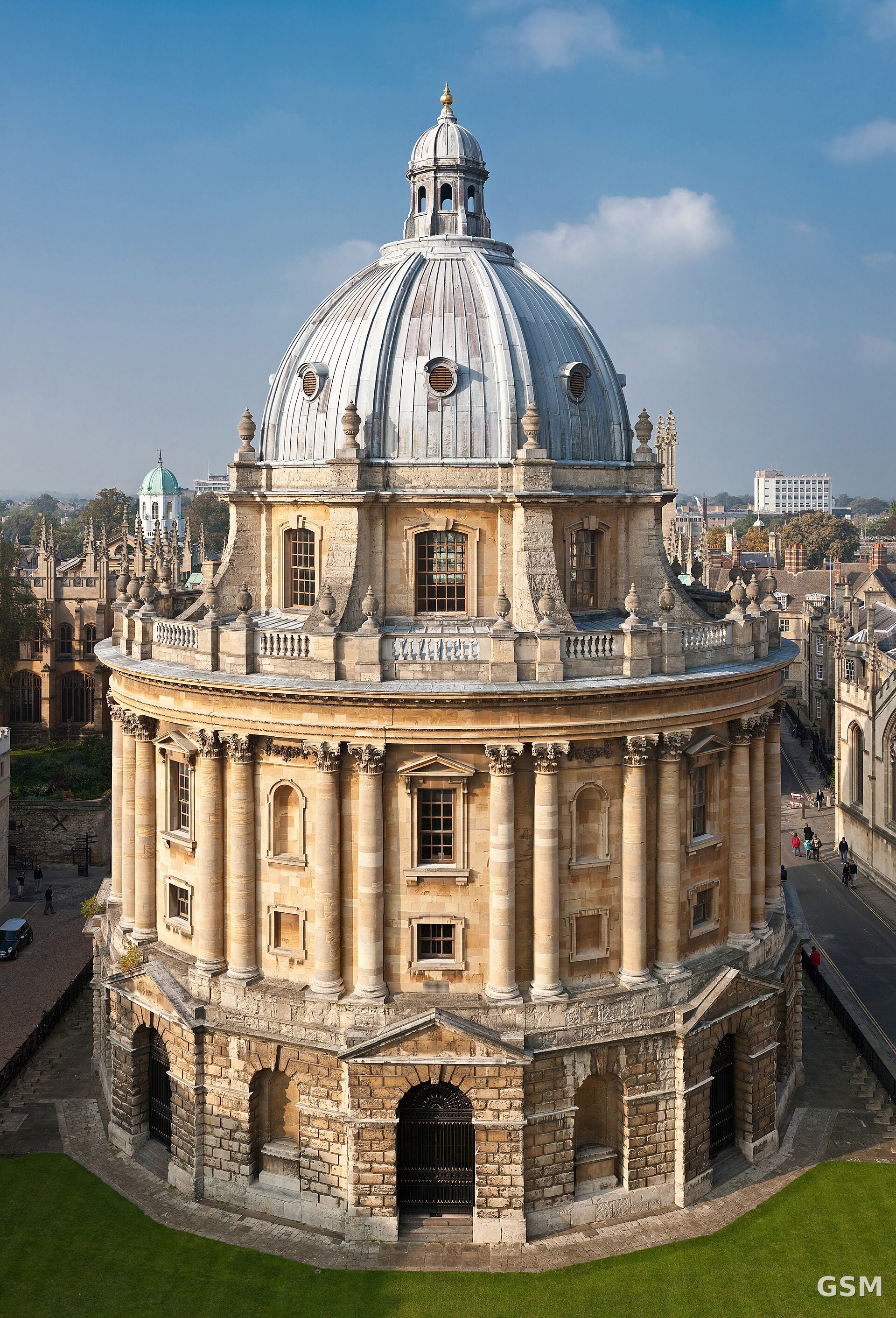
图片来源:图:牛津大学博德利图书馆的阅览室 Radcliffe Camera。照片 CC BY-SA 3.0,作者 David Iliff(Diliff),经 Wikimedia Commons。 / Photo: The Radcliffe Camera, a reading room of the Bodleian Library at the University of Oxford. CC BY-SA 3.0, by David Iliff (Diliff), via Wikimedia Commons.
GSM Global · 本篇英文版 English edition of this story