摇摆州家庭每月多花50至60美元在电费和汽油上:能源账单成中期选举变量
华盛顿——距11月3日中期选举只剩几天,能源账单正在挤压最可能决定国会控制权的摇摆州选民。路透社专栏根据美国能源信息署(EIA)数据梳理,Michigan、Georgia、Pennsylvania、Nevada、Arizona、North Carolina、Wisconsin 与 Ohio 八州的家庭,今年在电费与汽油上的合计支出比一年前每月多出50至60美元。
EIA 数据显示,2026年前七个月,全美家庭平均每月在电力与汽油上合计花费约456美元,比一年前多约54美元、涨幅约14%;八个摇摆州同期的合计支出涨幅在13%至17%之间,与2019年相比每个州都高出三分之一以上。各州每月增幅分别为:Wisconsin 42美元、Michigan 50美元、Georgia 51美元、North Carolina 与 Pennsylvania 各59美元、Ohio 60美元、Nevada 61美元、Arizona 62美元。
汽油是涨幅最显眼的一头。路透社指出,推动今年油价上行的主要力量是美国与伊朗的战争:冲突自2月28日爆发并扰乱霍尔木兹海峡航运以来,汽油价格已升至2022年夏季以来未见的水平。EIA 数据显示,今年前九个月摇摆州家庭的汽油支出同比上涨19%至23%;仅9月一个月,Georgia、Ohio 与 North Carolina 的汽油支出就比一年前高出约40%,Pennsylvania、Michigan 与 Wisconsin 也高出三分之一以上。Nevada 家庭的燃油账单为八州最高,今年约每月360美元,去年约300美元;Georgia 的油价在全国属较低之列,但当地家庭平均每月用油约91加仑、远高于全美约66加仑,月燃油账单因此升至约324美元,去年约260美元。
电费的涨势更慢、也更本地化。EIA 数据显示,摇摆州居民电费自2019年以来上涨15%至58%,八州今年平均同比约涨7%。Pennsylvania 涨幅居前:典型家庭今年电费约每月182美元,同比涨12%、较2019年涨58%,已成八州最高;Ohio 同比涨9.4%、较2019年涨53%。两州同属覆盖13州与华盛顿的 PJM 电网,其容量拍卖今年已三度创下价格纪录,推力来自数据中心用电需求、电网投资、天然气价格与电厂退役等多重因素。Michigan 今年电费涨8%,North Carolina 涨6%,Wisconsin 与 Arizona 各涨5%;Georgia 在两年六次涨价后今年仅涨约1%;Nevada 电费为八州最低,庞大的太阳能电场在夏季可供应过半日间电力,压低了账单。
账算在谁头上,各方口径不一。路透社与 Ipsos 的一项民调显示,78%的受访美国人把涨价归咎于特朗普的政策,受访者最集中点名的是关税与对伊朗的战争;另一项今年早些时候的 Reuters/Ipsos 民调中,77%的受访者把电费上涨列为反对数据中心的首要理由。路透社同时指出,电价费率通常由州级公用事业监管机构核定,批发电力成本由区域电网运营商与联邦监管决定,汽油价格则主要由全球原油市场决定——这些涨价背后的政策决定大多不在摇摆州首府作出。按目前走势,电费仍受科技与制造业用电增长和电网升级推高,汽油价格仍系于中东局势,11月3日胜选的一方将接手这份账单。
Swing-State Households Pay $50 to $60 More a Month for Power and Gasoline as Energy Bills Weigh on the Midterms
WASHINGTON — With the November 3 midterm elections days away, energy bills are squeezing voters in the battleground states most likely to decide control of Congress. A Reuters column drawing on U.S. Energy Information Administration (EIA) data found that households in Michigan, Georgia, Pennsylvania, Nevada, Arizona, North Carolina, Wisconsin and Ohio are paying $50 to $60 more a month for power and gasoline than a year ago.
In the first seven months of 2026, the average American household spent about $456 a month on electricity and gasoline combined, roughly $54 more than a year ago, an increase of around 14%, according to the EIA. Combined spending in the eight swing states rose between 13% and 17% over the same period, and costs are up by more than a third in every one of them compared with 2019. Monthly costs rose by $42 in Wisconsin, $50 in Michigan, $51 in Georgia, $59 in North Carolina and Pennsylvania, $60 in Ohio, $61 in Nevada and $62 in Arizona.
Gasoline is the most visible part of the increase. Reuters identified the U.S. war with Iran as the primary force pushing up gasoline prices this year: since the conflict broke out on February 28 and began disrupting shipments through the Strait of Hormuz, pump prices have climbed to levels not seen since the summer of 2022. Estimated household spending on gasoline in the swing states was up 19% to 23% in the first nine months of this year, EIA data show; in September alone, spending in Georgia, Ohio and North Carolina was about 40% higher than a year earlier, while Pennsylvania, Michigan and Wisconsin were up by more than a third. Nevada households face the highest fuel bill of the eight states, at roughly $360 a month this year compared with around $300 a month in 2025. Georgia sells some of the cheapest gasoline in the country, but its households also drive the most, averaging around 91 gallons a month against about 66 for the average U.S. household, leaving them with monthly bills of around $324 this year, up from around $260 in 2025.
Electricity prices have been climbing for years for more local reasons. Average residential power bills in the swing states have risen between 15% and 58% since 2019, and by an average of around 7% year-on-year this year, according to the EIA. Pennsylvania has seen the steepest increases: the typical household paid about $182 a month for electricity this year, up 12% from last year and up 58% since 2019, now the highest of the eight states. Ohio is not far behind, with bills up 9.4% from a year ago and up 53% since 2019. Both states sit inside PJM, the grid operator serving 13 states and Washington, D.C., whose capacity auctions have set three consecutive pricing records this year, driven in part by rising demand from data centers as well as grid investment, natural gas prices and power-plant retirements. Michigan's bills rose 8% this year, North Carolina's 6%, Wisconsin's 5% and Arizona's 5%. Georgia's power bills barely moved this year, up about 1%, after six rate increases in two years. Nevada has the lowest power bills of the eight states, helped by massive solar farms that can generate over half of daytime electricity supplies during the summer.
Where voters place the blame is contested. A recent Reuters/Ipsos poll found that 78% of Americans blame President Donald Trump's policies for rising prices that are outpacing their earnings, with tariffs and the Iran war bearing the brunt of the blame; in another Reuters/Ipsos poll earlier this year, 77% of respondents cited rising electricity costs as a chief reason for opposing data centers. Reuters also noted that electricity rates are generally approved by state utility regulators, wholesale power costs are shaped by regional grid operators answering to federal regulators, and gasoline prices are set largely by global crude markets. Electricity costs continue to be pulled higher by rising consumption from technology firms and manufacturers and by grid upgrades, while gasoline remains hostage to events in the Middle East, so whoever wins next week's midterms will inherit these bills.
来源:GSM·美国(原文链接)
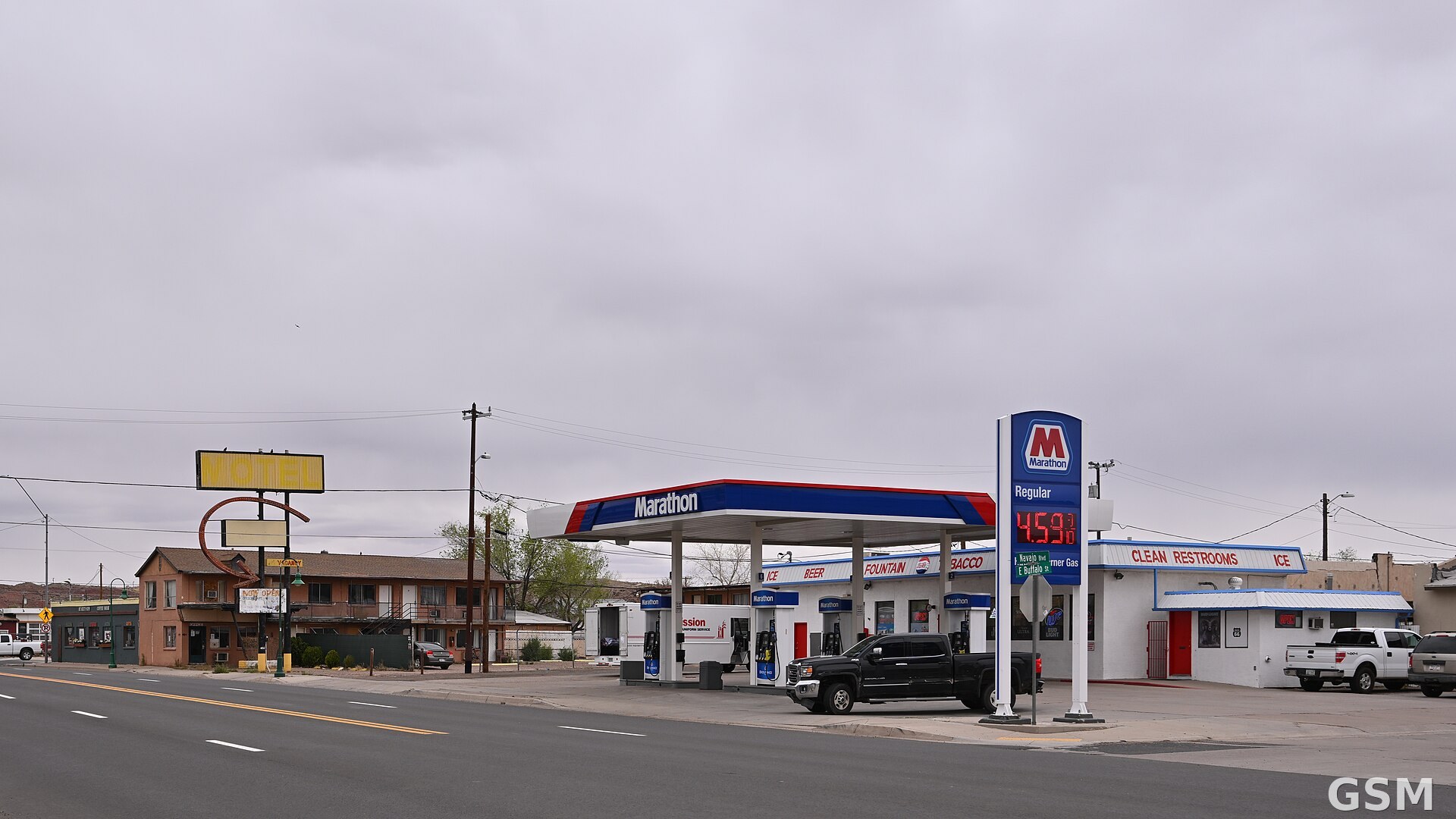
图片来源:图:Arizona 州 Holbrook 的一家 Marathon 加油站,2026年4月摄,价牌显示普通汽油每加仑4.59美元,为资料画面。G. Edward Johnson,CC BY 4.0,经维基共享资源。 / A Marathon gas station in Holbrook, Arizona, photographed in April 2026, with regular gasoline priced at $4.59 a gallon; file photo. By G. Edward Johnson, CC BY 4.0, via Wikimedia Commons.