宾夕法尼亚州检察长把「停一停」警示牌贴到加密货币ATM旁:去年收到约290起相关诈骗投诉
宾夕法尼亚州检察长戴夫·桑戴(Dave Sunday)10月29日警告,诈骗分子正利用加密货币收款:他们以逮捕威胁、虚假投资机会和网恋对象等手段,诱使消费者通过加密货币把钱汇走。检察长办公室同时启动一项名为「停一停」(STOP)的警示牌宣传行动。
桑戴在门罗县东斯特劳兹堡(East Stroudsburg, Monroe County, Pennsylvania)的一场社区活动上宣布这项行动,州参议员罗斯玛丽·布朗(Rosemary Brown)到场支持。警示牌将张贴在全州各地的加密货币与比特币ATM旁,赶在交易发生前打断诈骗;检察长办公室强烈鼓励设有这类机器的商家醒目张贴,提醒消费者:在听从陌生来电者的指示、扫描二维码或在压力下汇款之前,先停下来。
检察长办公室下属的消费者保护局去年收到约290起涉及加密货币的诈骗投诉,最常见的是投资与网恋骗局,有些还用上威胁恐吓手段。今年以来,冒充政府人员的骗局明显增多:骗子假扮县警长办公室人员,以逮捕相威胁,要求受害人用骗子提供的二维码往比特币ATM里存款。
检察长办公室举了两个真实例子:一名居民接到显示为本地警察局号码的假电话,被告知有一张未处理的逮捕令,被要求通过自助机购买4,000美元加密货币并汇给骗子,办公室事后追回了其中一部分钱;另一名消费者在WhatsApp上与人发展出网恋关系后,为所谓的加密货币投资累计汇出81,000美元,直到取不出钱、还被要求再付费时才意识到受骗。
桑戴说,这类骗局的诱饵和老骗局并无不同,只是收款方式变了;犯罪分子靠的是恐惧与压力,让受害人在提问之前先行动。收到意外的加密货币转账或存款要求,应立即停下、切断联系;认为自己被盯上的,可联系检察长办公室。
检察长办公室提醒:没有任何合法的执法机构或法院会指引民众去加密货币自助机缴纳罚款、消逮捕令或避免被捕;警察、法院、银行与正规技术支持人员也不会让人往这类机器里存现金来处理紧急情况或「保护」资金。来电显示可以被伪造,接到可疑电话应挂断后,改用官方网站上的号码自行联系核实;不要分享密码、私钥或恢复短语。
认为自己被盯上的消费者应立即停止汇款、保留短信与交易凭证,并向检察长办公室消费者保护局投诉,电话1-800-441-2555,也可发送电子邮件至[email protected]。
Pennsylvania Attorney General Puts 'STOP' Warning Signs at Cryptocurrency ATMs After About 290 Scam Complaints Last Year
Pennsylvania Attorney General Dave Sunday warned on October 29 that scammers are using cryptocurrency as their collection method, luring consumers with threats of arrest, phony investment opportunities and online romance prospects. His office also launched a 'STOP' sign awareness campaign.
Sunday announced the campaign at a community event in East Stroudsburg, Monroe County, Pennsylvania, alongside State Sen. Rosemary Brown, who attended in support. The warning signage will be placed at cryptocurrency and Bitcoin ATMs across the Commonwealth to interrupt scams before transactions occur. The attorney general's office strongly encourages businesses that host the machines to display the signs prominently, reminding consumers to stop before following instructions from unexpected callers, scanning QR codes or sending money under pressure.
The office's Bureau of Consumer Protection received about 290 scam complaints involving cryptocurrency last year, most commonly involving investment or romance schemes, some using threats and scare tactics. This year, the bureau has seen an uptick in government-imposter scams: callers pose as county sheriff's office representatives, threaten arrest and demand deposits into a Bitcoin ATM using a QR code supplied by the scammer.
The office cited two real cases. In one, a Pennsylvanian received a call that appeared to come from a local police department about an outstanding warrant and was ordered to buy $4,000 in cryptocurrency through a kiosk, which was sent to a scammer; the office was able to recover some of the money. In another, a consumer sent $81,000 through wire transfers for purported cryptocurrency investments after developing a romantic relationship on WhatsApp, realizing it was a scam only when withdrawals were blocked unless more was paid.
'Although the means of payment are different, the lures for these scams are the same,' Sunday said. 'Criminals rely on fear and pressure to get victims to act before asking questions. If you receive an unexpected ask or directive to make a cryptocurrency transfer or deposit, stop and cease that communication.'
The office stressed that no legitimate law enforcement agency or court will direct anyone to a cryptocurrency kiosk to pay a fine, resolve a warrant or avoid arrest, and that police, courts, banks and legitimate tech-support representatives will not instruct people to deposit cash into a crypto kiosk to resolve an emergency or protect their money. Because caller ID can be spoofed, consumers should hang up and verify through numbers from official websites, and should never share passwords, private keys or recovery phrases.
Consumers who believe they have been targeted should stop sending money, keep messages, receipts and wallet addresses, and report promptly to the Bureau of Consumer Protection at 1-800-441-2555 or by email at [email protected].
Pennsylvania Attorney General consumer protection complaint page
来源:GSM·美国(原文链接)
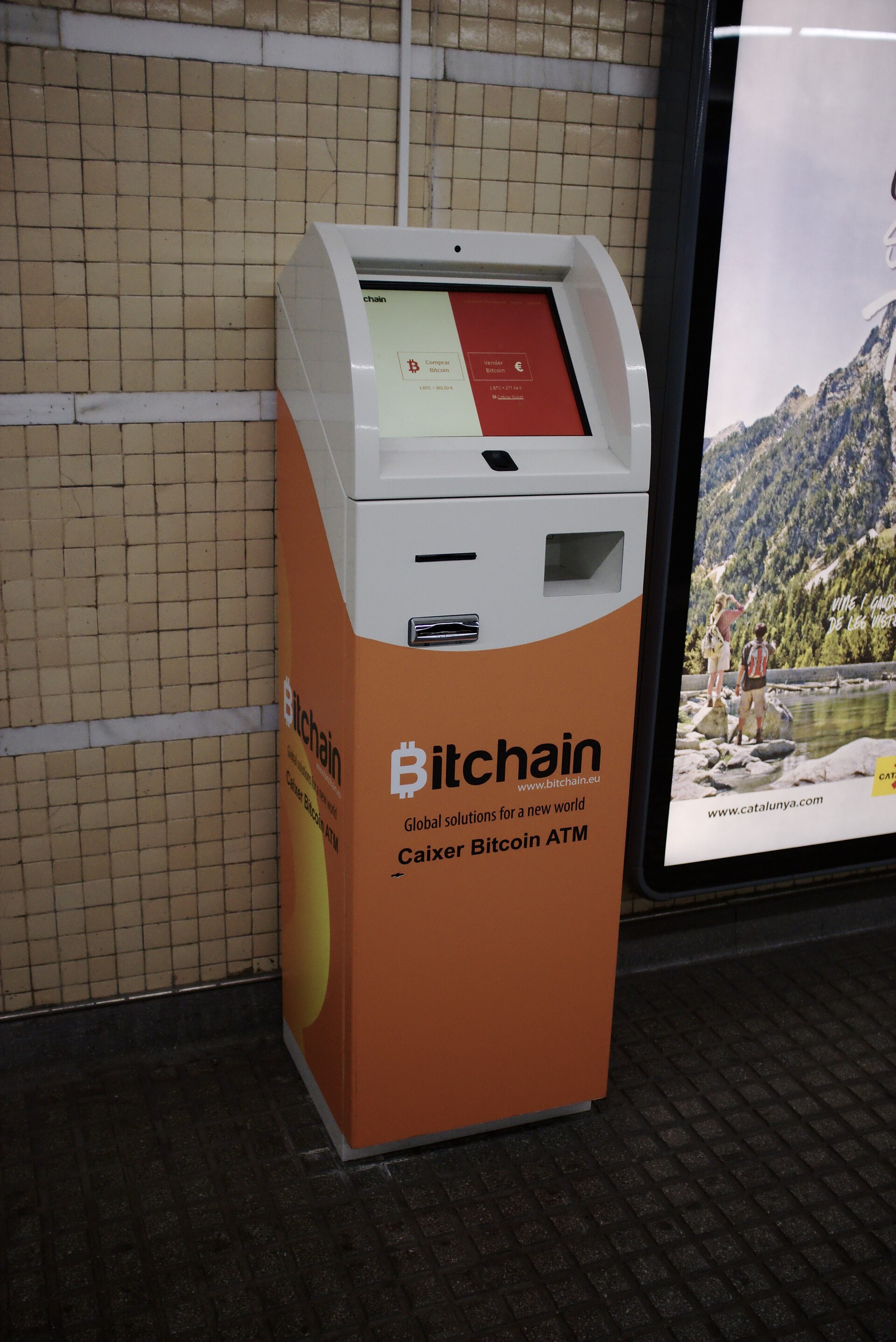
图片来源:一台比特币ATM(资料图)。经 Wikimedia Commons。 / A Bitcoin ATM (file photo). Via Wikimedia Commons.